Last Updated on November 15, 2025 by Dogs Vets
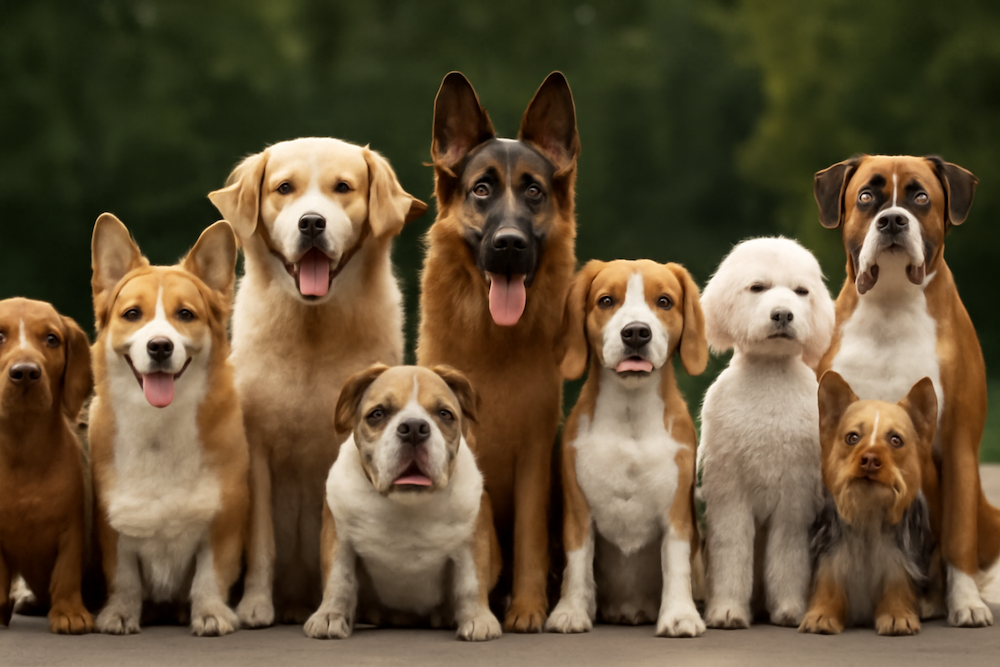
Choosing the right dog can shape your home for the next decade, so it’s no surprise that millions of people search for the world’s most popular dog breeds every month. Popularity isn’t just about looks — it reflects temperament, health, adaptability, and how well a dog fits modern lifestyles. Some breeds stay in the top rankings because they’re gentle family companions. Others rise fast because of social media trends, apartment-friendly size, or their ability to thrive in busy urban environments.
This 2025 list blends global search data, registration trends, and everyday owner experiences. You’ll see what makes each breed special and where it fits best — whether you’re a first-time dog owner or someone looking for your next loyal companion.
Let’s dive in.
1. Labrador Retriever
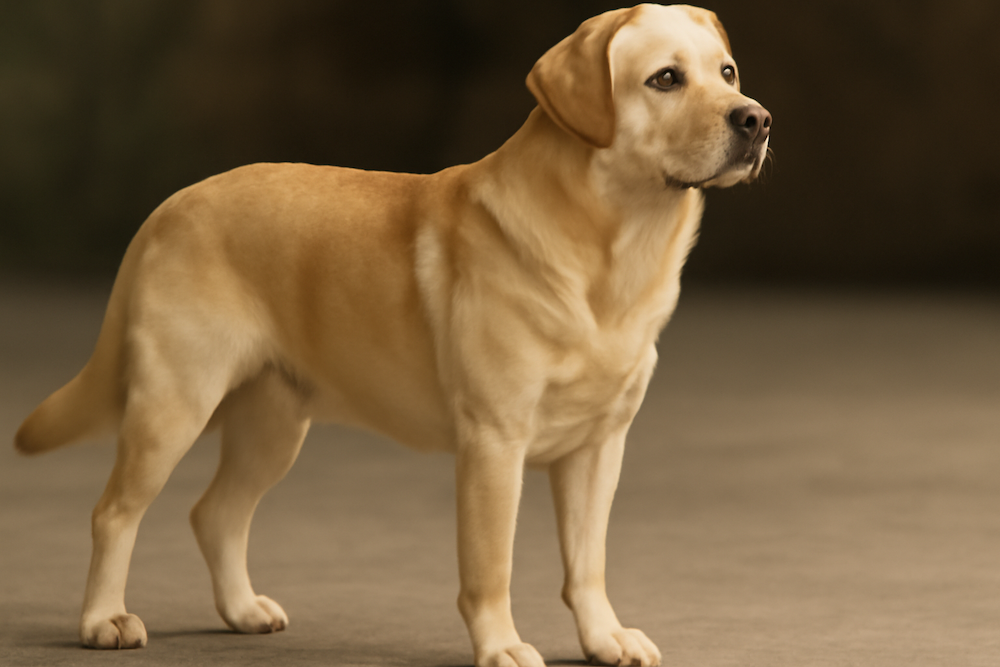
Temperament: Friendly, stable, affectionate
Lifespan: 11–14 years
The Labrador Retriever is the world’s most consistently loved dog, and it’s easy to understand the hype. Labs have a natural warmth that makes them fit seamlessly into almost any household. They love children, respect seniors, and get along with other pets without drama. A Lab is happiest when surrounded by people — they don’t care if you’re on a long walk, watching Netflix, or cleaning the house; they just want to be part of whatever you’re doing.
Labs were bred as working retrievers, so they’re intelligent, active, and enjoy having a purpose. Fetch, swimming, scent games, and long walks keep them balanced. They learn quickly and genuinely try to please, which makes training enjoyable. The only challenge is their enthusiasm… and their appetite. Labs love food — maybe a little too much — so portion control matters.
They shed, but their coat is easy to manage. Health-wise, they’re generally strong, though hip issues can occur in some lines. What truly makes Labs special is their emotional intelligence. They seem to sense sadness, offer comfort, and brighten the room just by being themselves. They’re loyal, reliable, and steady — a true “family dog” in every sense.
2. French Bulldog
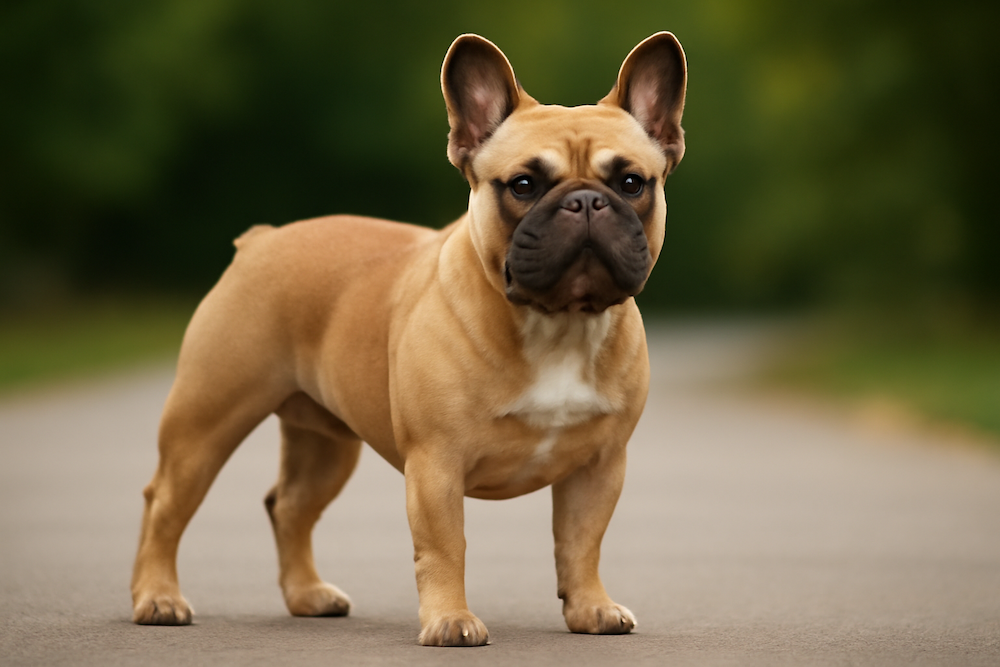
Temperament: Affectionate, calm, humorous
Lifespan: 10–12 years
The French Bulldog is the superstar of modern city living. Their compact size, low exercise needs, and deeply affectionate nature make them ideal companions for apartments and busy people. Frenchies don’t want chaos; they want closeness. They’re the type of dog that follows you from room to room, settles beside you on the couch, and looks at you with an expression that feels almost human.
Frenchies are famous for their charm. Their playful stubbornness, dramatic sighs, and comedic personality give them a unique character. Families love them because they’re gentle with kids. Singles love them because they’re loyal and easy to care for. Seniors appreciate them because they don’t demand long walks or intense activity.
They do shed lightly and require some facial-cleaning care. The most important thing is managing heat — French Bulldogs can overheat quickly due to their short noses. That means no heavy exercise and no hot afternoon walks.
Despite these limitations, Frenchies bring a calm, comforting presence to any home. Owners often describe them as “tiny clowns with big hearts.” They bond strongly with their people and are happiest when they’re included in daily life. A Frenchie doesn’t just live with you — they make themselves part of your emotional world.
3. German Shepherd
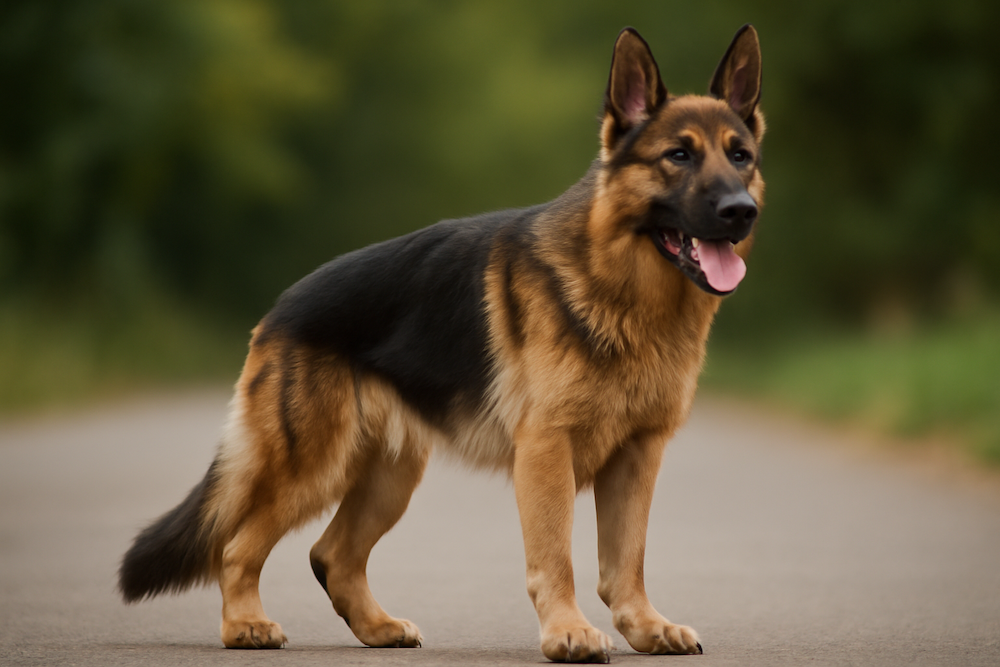
Temperament: Intelligent, loyal, protective
Lifespan: 9–13 years
The German Shepherd is one of the most respected dog breeds on the planet — strong enough for serious work, yet gentle enough for family life. Their intelligence is remarkable. German Shepherds learn commands quickly and remember them for life. That’s why they’re trusted in police work, search-and-rescue missions, and military roles.
In a family setting, a properly trained German Shepherd becomes a steady, loyal guardian. They’re deeply attached to their owners and naturally alert, always paying attention to what’s happening around them. Their protective instinct is strong but controlled — they won’t bark or react without a reason. With children, they’re patient and dependable. With strangers, they’re polite but reserved.
German Shepherds do need guidance. Daily exercise, structured training, and mental stimulation keep them balanced and prevent anxiety or destructive behaviors. They thrive in homes where they feel useful — whether that means learning tricks, joining you on runs, or doing simple tasks around the house.
Their double coat sheds heavily, so grooming helps. Health-wise, hip and elbow issues can appear, especially from irresponsible breeders. When well cared for, a German Shepherd becomes more than a pet — they become a partner, a protector, and a loyal friend who seems to understand far more than they can say.
4. Golden Retriever
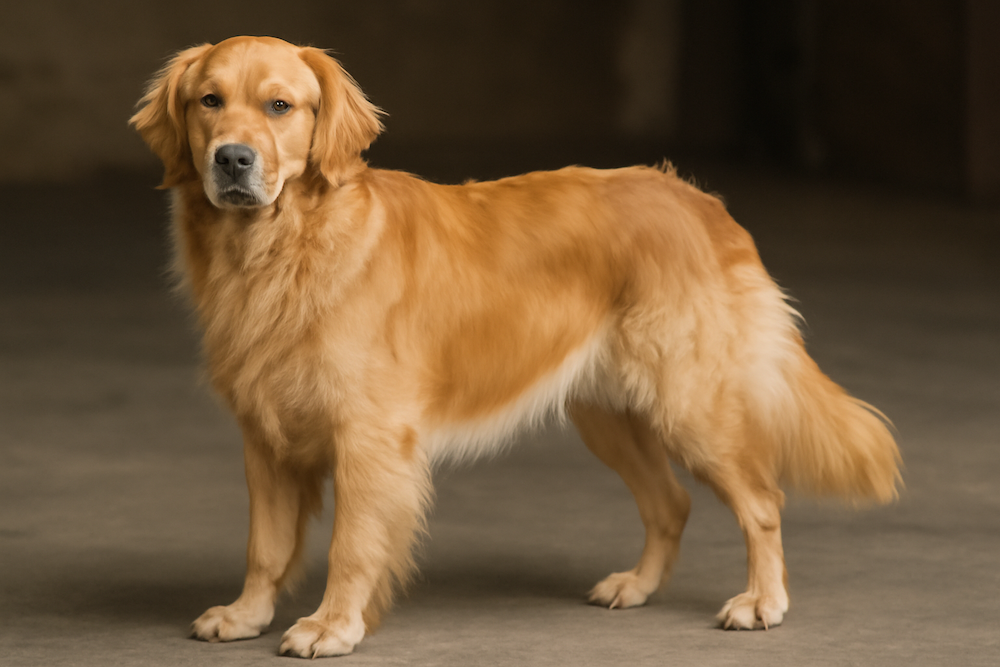
Temperament: Gentle, patient, loving
Lifespan: 11–13 years
Golden Retrievers are often described as the friendliest dogs in the world, and it’s easy to see why they remain a top choice for families. Everything about a Golden — their soft eyes, calm spirit, and steady temperament — gives off warmth. They’re patient with children, kind to strangers, and accepting of other pets. A Golden rarely has a bad day; they greet life with a wagging tail and a hopeful smile.
Goldens are intelligent, eager to please, and naturally cooperative. This is why they excel as therapy dogs, emotional support companions, and guide dogs for the visually impaired. They respond beautifully to training and genuinely want to make their owners happy.
They do need daily activity. Walks, swimming, fetch, or simple backyard play keep them mentally and physically balanced. Goldens shed heavily and benefit from regular brushing, but their grooming needs are manageable.
Health-wise, they’re generally strong, though some lines may face hip issues or certain cancers, so responsible breeding matters.
What people love most about Golden Retrievers is their emotional sensitivity. They sense your mood and adjust themselves — playful when you’re cheerful, calm when you’re tired, comforting when you’re low. A Golden doesn’t just live with you; they connect with you on a deep, loyal level.
5. Poodle (Standard, Miniature & Toy)
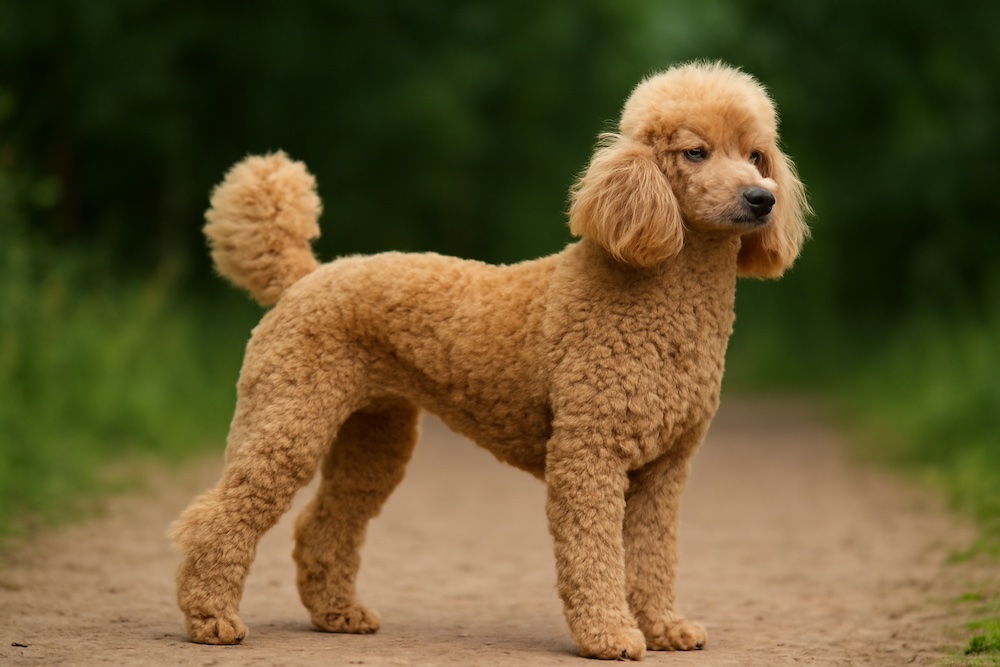
Temperament: Smart, graceful, alert
Lifespan: 12–15 years
Poodles are often underestimated because of their elegant look, but behind the fluffy coat lies one of the smartest dog breeds in the world. Whether Standard, Miniature, or Toy, Poodles bring a rare combination of intelligence, loyalty, and adaptability. They learn quickly, understand routines, and excel in problem-solving. This makes training smooth and enjoyable, even for first-time owners willing to put in a little effort.
Despite their stylish reputation, Poodles are athletic. Standards love outdoor adventures, running, retrieving, and agility exercises. Mini and Toy Poodles enjoy learning tricks, playing indoors, and staying close to their people. They fit into a wide range of homes — apartments, suburban houses, or active families.
One of their biggest advantages is their coat. Poodles are low-shedding and considered hypoallergenic, making them great for people sensitive to dog hair. Their grooming needs are higher than average, but regular clipping keeps them neat.
They’re social dogs that thrive on companionship. Poodles form deep bonds with their owners and don’t enjoy being left alone for long hours. Their expressive eyes and sharp awareness give them almost human-like communication skills.
If you want a dog that’s clever, stylish, emotionally connected, and full of personality, the Poodle is a top-tier choice.
6. Dachshund
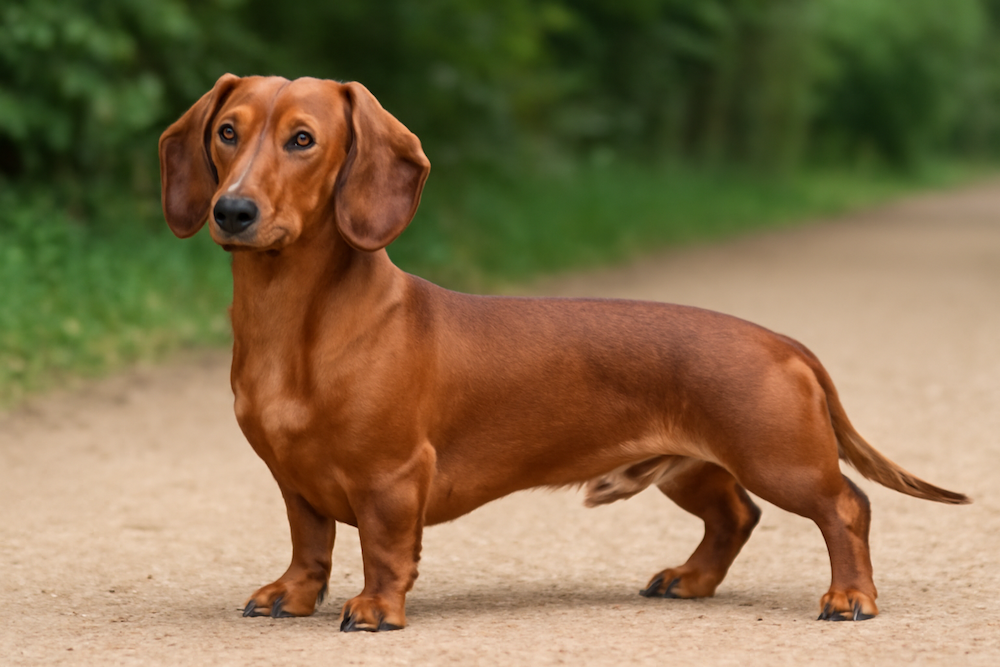
Temperament: Bold, playful, curious
Lifespan: 13–16 years
The Dachshund is small in size but massive in personality. With their long body, short legs, and confident stance, Dachshunds have a look that instantly makes people smile. They were originally bred to hunt badgers, which explains their bold attitude and surprising courage. Today, they’re loved worldwide as charming, playful companions with a mischievous streak.
Dachshunds are smart, observant, and full of energy. They enjoy exploring their environment, sniffing everything, and turning everyday objects into toys. Their small size makes them great for apartments, but they still need daily activity to burn off their natural curiosity.
What owners enjoy most is their comedic nature. A Dachshund will make you laugh without trying — the dramatic expressions, the proud walk, and the way they “argue” with their tiny barks. Despite being funny, they’re also deeply loyal and love forming close bonds with their people.
They can be stubborn during training, so patience and gentle repetition work best. Because of their long backs, they need careful handling — no rough jumping or climbing. With the right care, Dachshunds live long, healthy lives and bring endless entertainment to their homes.
A Dachshund may be small, but they carry the confidence of a much bigger dog — and that’s exactly what makes them unforgettable.
7. Rottweiler
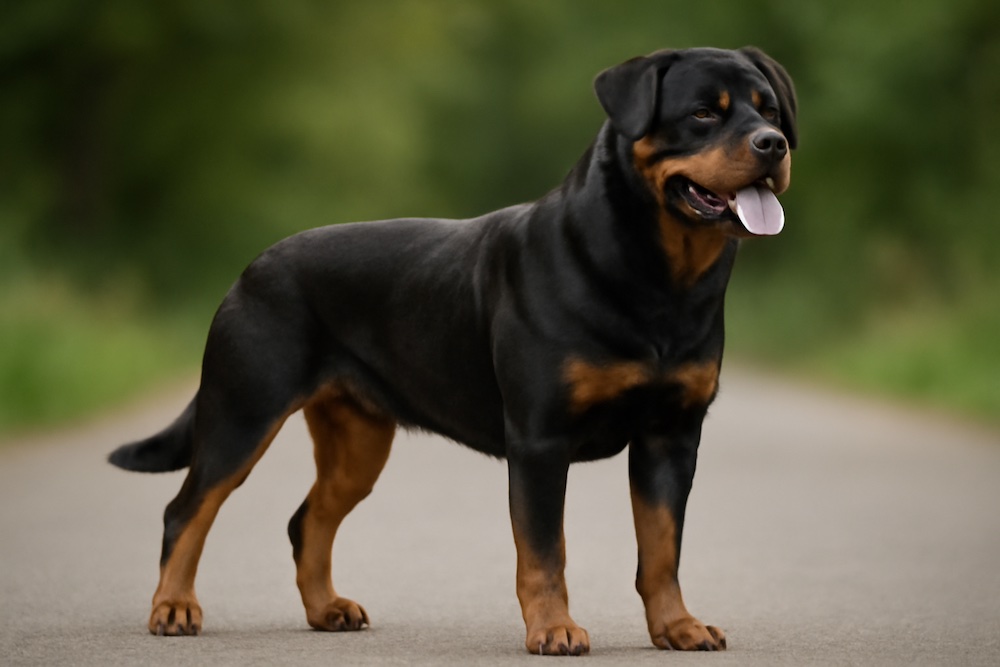
Temperament: Calm, confident, loyal
Lifespan: 9–11 years
The Rottweiler is one of the most misunderstood dog breeds. Behind the muscular frame and serious expression lies a deeply loyal, affectionate, and steady-hearted companion. Rottweilers were originally bred to herd and protect livestock, which explains their natural confidence and calm alertness. They are thinkers — observant, measured, and always aware of their surroundings.
With family, a Rottweiler is gentle and almost surprisingly tender. They love being close to their people, leaning their body against you or quietly placing a paw on your leg. They are patient with kids when trained well and form strong bonds that last a lifetime. Their protective instinct is natural, not aggressive — they don’t overreact, but they always keep an eye out.
Training is important with this breed. Rottweilers are highly intelligent, but they need clear guidance and socialization. When raised with structure, they become one of the most well-balanced large breeds. They enjoy exercise, but they don’t need endless running — steady walks, obedience work, and mental games are perfect.
Their coat is low-maintenance, though they do shed seasonally. Health-wise, they’re strong but can be prone to joint issues or heart conditions if poorly bred.
A well-raised Rottweiler is a loyal guardian, a gentle family member, and a companion with a quiet strength few breeds can match.
8. Beagle
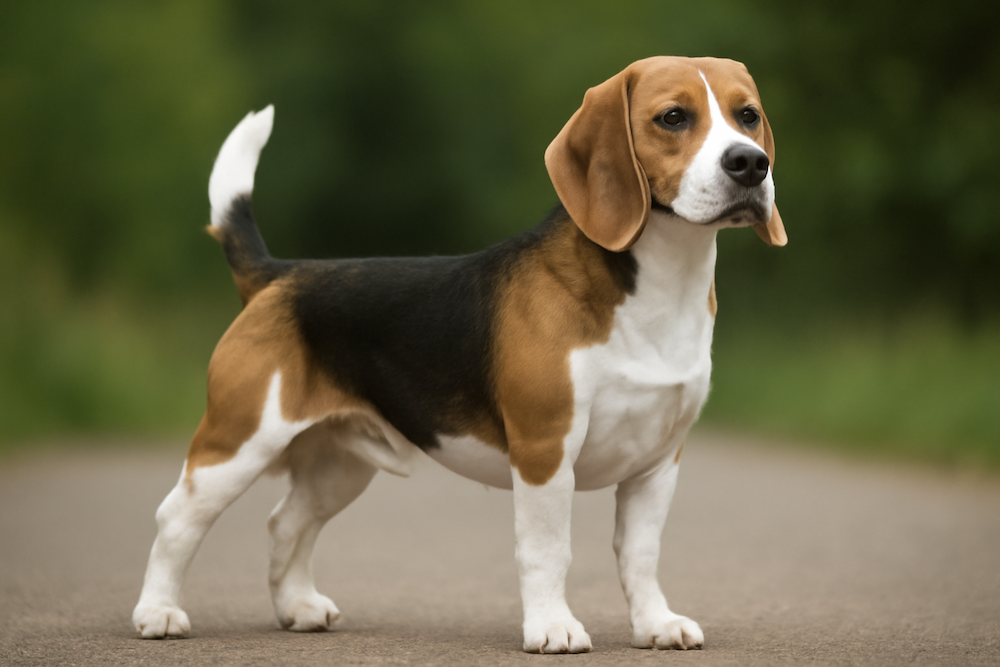
Temperament: Curious, friendly, lively
Lifespan: 12–15 years
The Beagle is one of the world’s happiest and most lovable dogs — a true spirit of energy and friendliness wrapped in a small, sturdy body. Originally bred for hunting in packs, Beagles have a natural sociability that makes them get along with almost everyone: kids, adults, other dogs, and even strangers. They love company and hate feeling left out.
Beagles are driven by scent. Their noses are incredibly powerful, and they’ll follow an interesting smell with full dedication, sometimes ignoring everything else. That curious nature makes walks fun but requires a secure leash and a watchful eye.
Inside the home, Beagles are playful and affectionate. They love cuddles, food, and any game that allows them to use their senses. They rarely show aggression and have a gentle, happy way of interacting with people.
Training a Beagle can be interesting — not because they’re slow, but because they’re independent. Food rewards work wonders, and once they understand a routine, they follow it happily.
Their coat is easy to maintain, and they’re generally healthy, though their love for food can lead to weight gain if portions aren’t controlled.
If you want a cheerful, sociable dog that brings light energy into the home, the Beagle is a wonderful match.
9. Siberian Husky
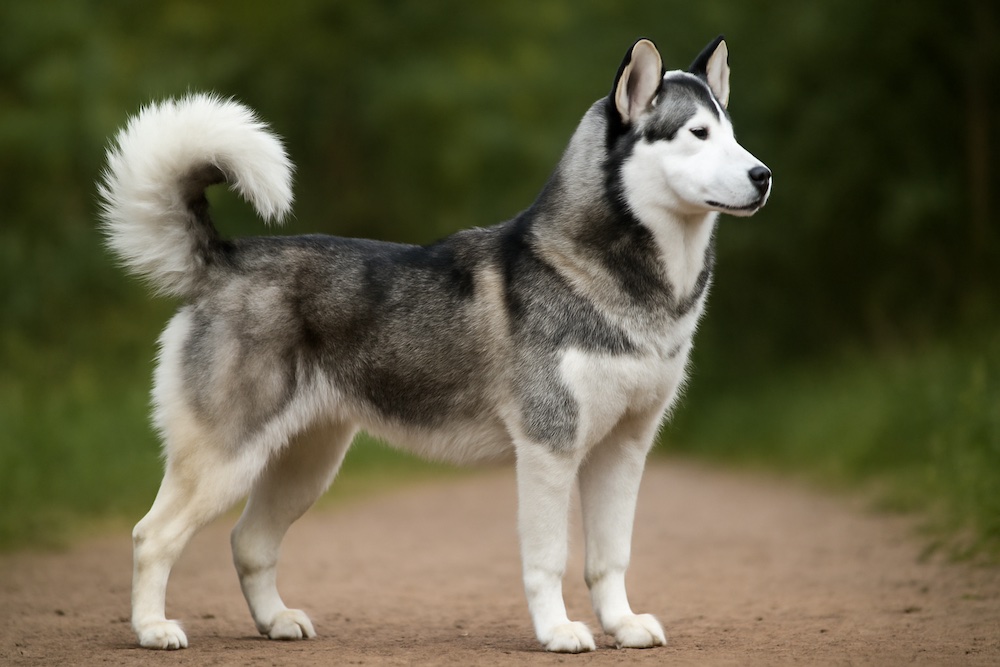
Temperament: Playful, independent, energetic
Lifespan: 12–14 years
The Siberian Husky is the definition of beauty, athleticism, and free spirit. Known for their striking eyes, wolf-like appearance, and expressive personalities, Huskies have captured global attention — especially on social media. But behind the glamour is a dog that needs the right kind of home to thrive.
Huskies are incredibly energetic. They were bred to pull sleds over long distances, so their endurance is unmatched. They need daily exercise — not quick walks, but real activity. Running, hiking, structured play, and mental challenges keep them balanced and happy.
They are also famously vocal. Huskies don’t just bark — they “talk,” howl, and express themselves with dramatic sounds that make them feel almost human. This trait is charming for some and overwhelming for others.
With people, Huskies are friendly, gentle, and affectionate. They’re not natural guard dogs; they love strangers too much. They get along well with families and can be very playful with children.
Training requires patience because Huskies are independent thinkers. They understand commands — they just sometimes prefer their own ideas.
Their coat is stunning but sheds heavily, especially during seasonal “blowouts.” A Husky is best suited for active owners who appreciate a high-energy dog with a big personality and a mind of its own.
13. Maltese
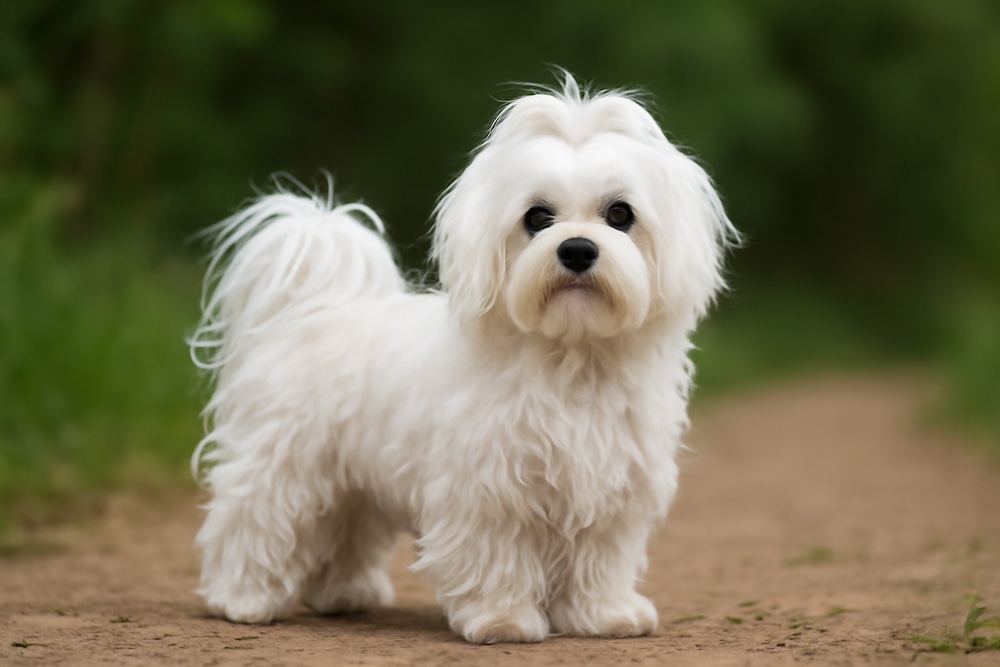
Temperament: Gentle, affectionate, cheerful
Lifespan: 13–15 years
The Maltese is a small, elegant companion dog with a naturally sweet and calming presence. Known for their long, silky white coat and expressive dark eyes, they bring a gentle charm into any home. Maltese dogs thrive on affection — they love being held, sitting beside you, or following you from room to room just to stay close. They’re emotionally tuned-in, often sensing your mood and matching your energy with surprising sensitivity.
Despite their delicate appearance, Maltese dogs are lively and playful. They enjoy short walks, indoor games, and activities that keep their curious minds engaged. They adapt easily to apartment or house living, making them perfect for seniors, single owners, and families who want a low-shedding, people-oriented dog.
Training is usually smooth because they’re eager to please, though they can develop separation anxiety if left alone too long. Their coat requires grooming, but many owners choose a “puppy cut” to keep things simple.
Overall, the Maltese is a loyal, gentle companion with a bright personality. They’re small but full of heart — the type of dog that brings joy simply by being present.
14. Cane Corso
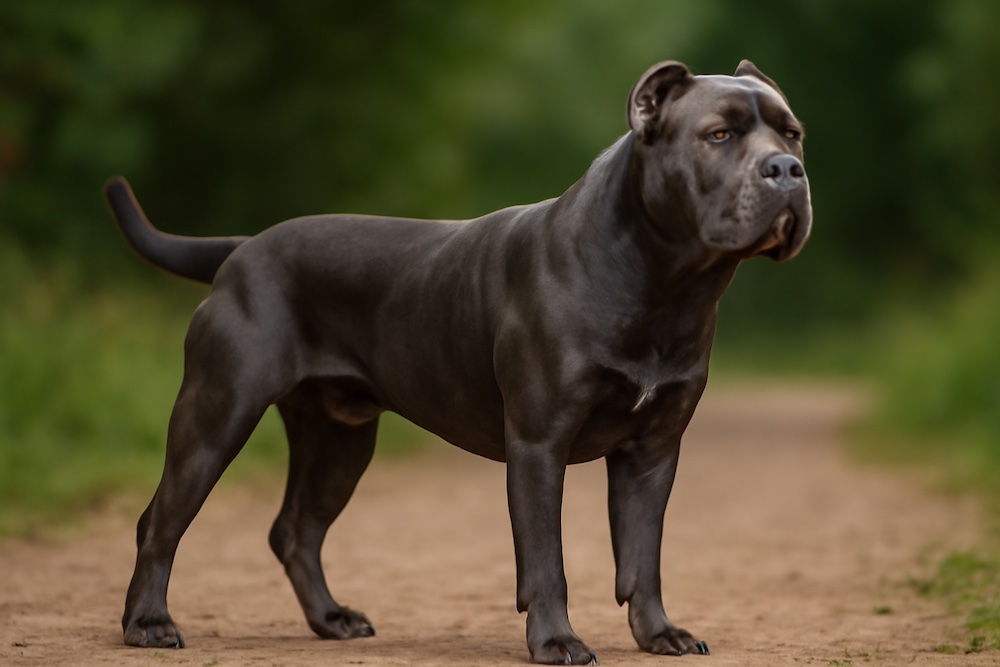
Temperament: Protective, intelligent, steady
Lifespan: 9–12 years
The Cane Corso is a powerful yet remarkably controlled guardian breed. Originating from Italy and historically used to protect farms and property, the Corso carries a natural strength that’s matched with impressive emotional stability. When properly trained, they’re confident, loyal, and deeply connected to their families. They’re not loud or chaotic — their presence alone is enough to command respect.
Corsos are extremely intelligent and require consistent training and early socialization. They respond well to calm, confident leadership. In the right hands, they become gentle, affectionate family protectors who adore their people and behave with unexpected tenderness around children. Their loyalty runs deep — once bonded, they remain devoted for life.
Physically, the Cane Corso is athletic and needs regular exercise to stay balanced. Long walks, structured play, and mental tasks like obedience work keep them sharp. They shed moderately and have a short coat that’s easy to maintain.
They’re best suited for experienced dog owners who understand working breeds and can provide structure. With the right environment and guidance, the Cane Corso becomes a noble, steady guardian — strong enough to protect, calm enough to live peacefully, and loyal enough to stand by your side through anything.
15. Great Dane
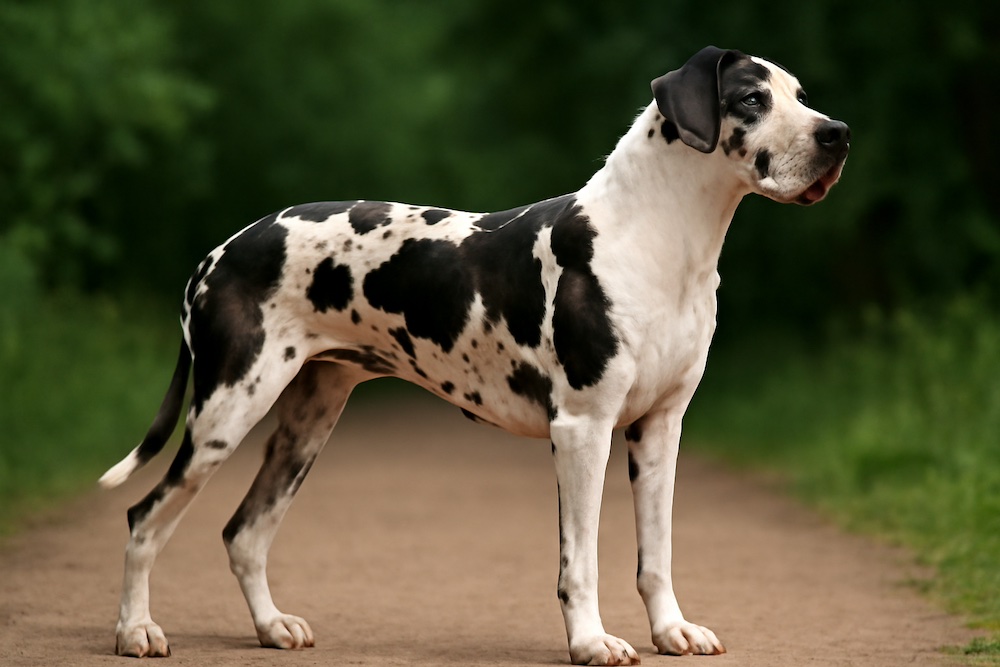
Temperament: Gentle, patient, affectionate
Lifespan: 7–10 years
The Great Dane is often called the “gentle giant,” and the title fits perfectly. Despite their enormous size, Danes are calm, friendly, and surprisingly soft-natured. They love people — truly love people — and often think they’re lap dogs regardless of their massive frame. They’ll lean against you for comfort, follow you around the house, and rest their head gently on your arm when they want attention.
Their patience makes them excellent companions for families. They’re tolerant with children, careful indoors, and rarely aggressive when raised well. Their presence alone is often enough to deter intruders, but Danes are not naturally aggressive; they’re peaceful by nature.
Because of their size, they need space to move comfortably and should avoid slippery floors or constant stair climbing. Regular walks and moderate exercise keep them healthy. They don’t require intense workouts.
Their short coat is easy to maintain, but they do shed. Health-wise, large-breed concerns like heart issues and bloat require vigilance.
Emotionally, Great Danes are affectionate shadows. They bond deeply with their families and bring a calming, loving energy wherever they go. They’re majestic, gentle, and incredibly loyal — a truly unforgettable companion.
16. Chihuahua
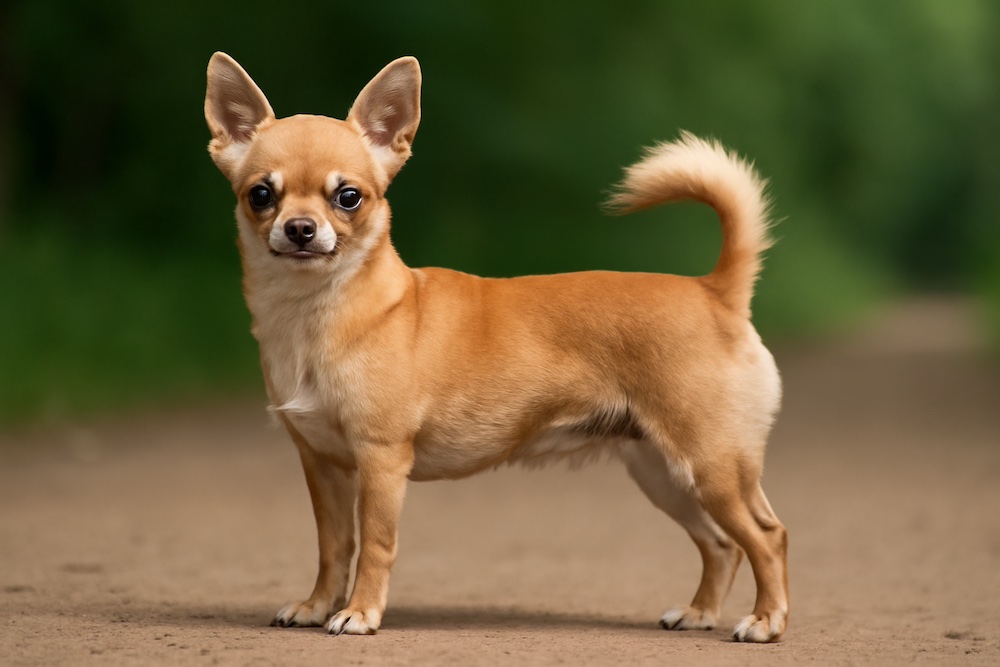
Temperament: Bold, spirited, affectionate
Lifespan: 14–16 years
The Chihuahua is one of the smallest dog breeds in the world, yet they carry themselves with unmistakable confidence. These tiny dogs often act like they’re ten times their size, walking with a proud step and watching the world with sharp, expressive eyes. Their personality is a lively mix of sass, affection, and loyalty, which makes them unforgettable companions.
Chihuahuas bond strongly with their owners. They choose “their person” and form a deep, lifelong attachment. They love being close — sitting on laps, sleeping under blankets, and following their humans from room to room. Despite their size, they can be protective and will bravely alert you to anything unusual.
Because they’re small, they don’t need intense exercise, but they enjoy short walks and playful indoor activities. They thrive in apartments and can adapt to many lifestyles as long as they get attention and warmth.
Chihuahuas can be sensitive to cold and may need sweaters or blankets in cooler environments. Training works best with gentle, positive methods, as they can become stubborn if handled harshly.
With their long lifespan and bright personality, Chihuahuas bring years of companionship, humor, and love. They are tiny dogs with huge hearts — and they know it.
17. Australian Shepherd
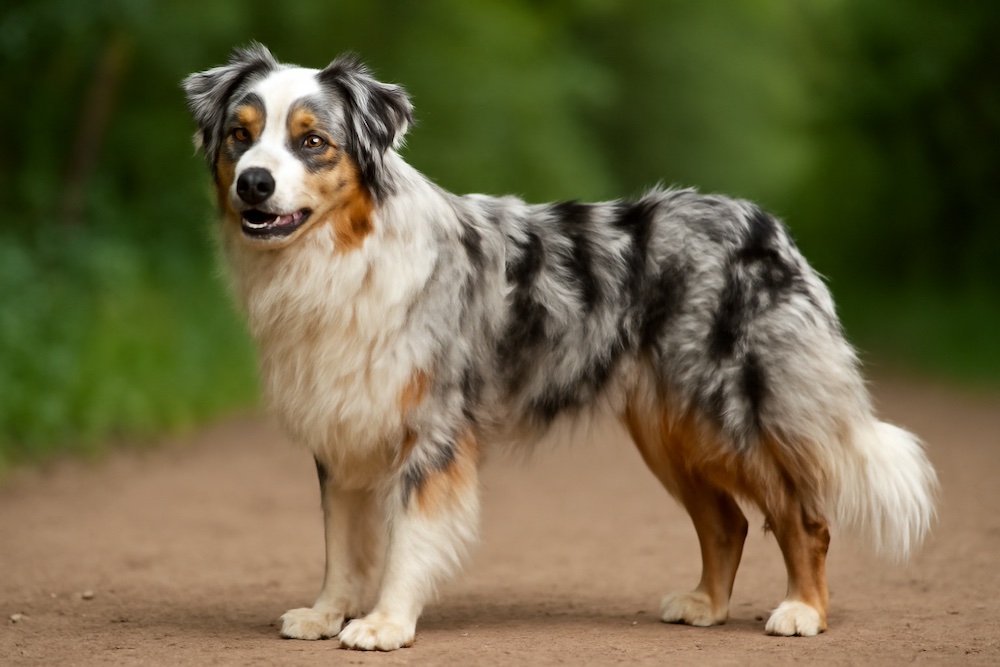
Temperament: Intelligent, energetic, loyal
Lifespan: 12–15 years
The Australian Shepherd is a brilliant and hardworking breed originally developed for herding livestock. Aussies thrive on activity, mental challenges, and meaningful routines. They are not just smart — they’re problem-solvers, always thinking, observing, and anticipating what comes next. This sharp intelligence makes them excellent companions for active families.
Aussies need regular exercise. Long walks, hikes, running, agility training, and interactive games keep their minds engaged and their bodies healthy. Without proper outlets, they can become restless or frustrated. When stimulated, however, they’re calm, affectionate, and incredibly well-balanced.
Socially, Australian Shepherds form strong bonds with their families and often pick a favorite person. They’re gentle with kids when properly socialized and tend to be polite but cautious with strangers.
Their medium-length coat requires occasional grooming to prevent mats. They shed seasonally but are not overly difficult to maintain.
Emotionally, Aussies are perceptive and sensitive. They pick up on tone, mood, and household energy. With kindness, structure, and activity, they become loyal, joyful companions. For owners who want a smart, active partner, the Australian Shepherd is one of the best choices around.
18. Border Collie
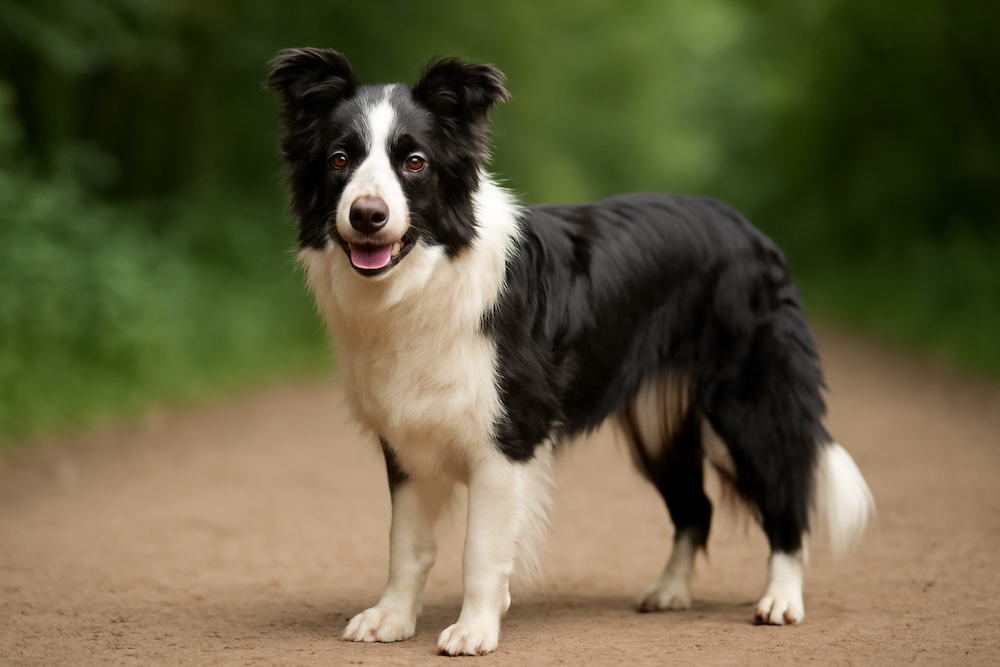
Temperament: Highly intelligent, intense, focused
Lifespan: 12–15 years
The Border Collie is widely considered the smartest dog breed in the world. Their intelligence is extraordinary — they learn quickly, understand complex commands, and stay mentally alert at all times. Originally bred for herding sheep, Border Collies have unmatched stamina, focus, and work ethic.
This breed thrives in active, engaged homes. A Border Collie isn’t satisfied with simple daily walks; they want real work or high-level stimulation. Running, agility sports, obedience training, frisbee, puzzle games — these activities help keep their sharp minds happy. They excel in competitive dog sports, often dominating agility and herding trials.
Border Collies bond deeply with their families, showing affection in their own focused way. They’re gentle with children and get along with other pets when properly socialized. Their loyalty is intense — they’ll stick close to their chosen person and watch everything around them with purpose.
Training is a joy because they’re eager to learn, but owners must be consistent. Without stimulation, they can become anxious or develop unwanted habits.
Their coat is medium-length and easy to maintain with weekly brushing.
For the right owner — active, patient, and engaged — the Border Collie is a brilliant companion with unmatched intelligence and heart.
19. Cavalier King Charles Spaniel
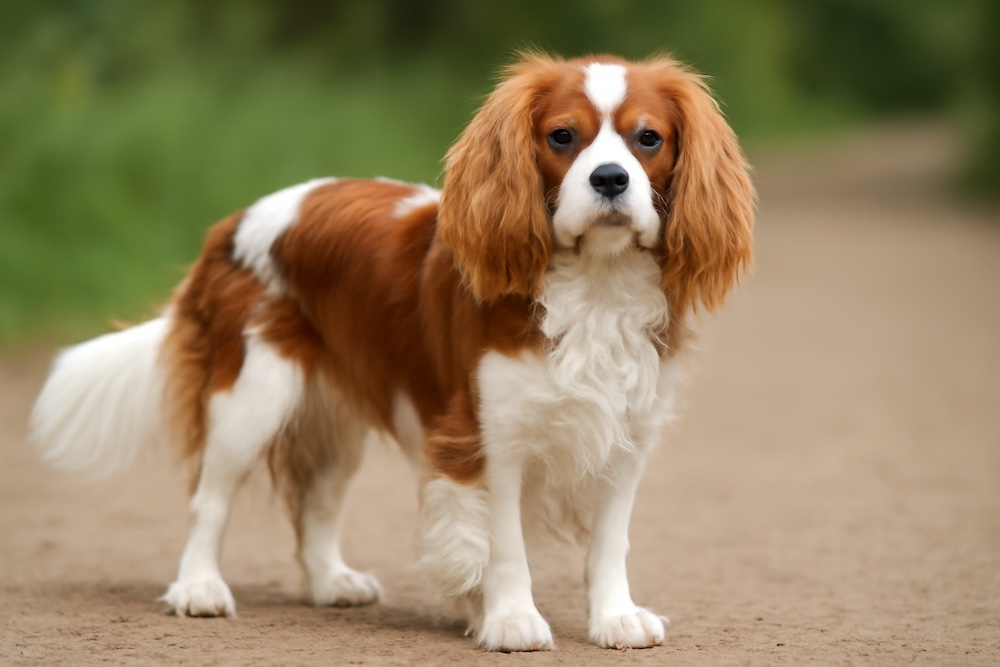
Temperament: Gentle, affectionate, sociable
Lifespan: 12–15 years
The Cavalier King Charles Spaniel is one of the sweetest and most people-loving dogs on the planet. Everything about them radiates softness — from their warm eyes to their gentle manner and calm devotion to their owners. Cavaliers love being close, whether sitting on your lap, resting beside you while you work, or curling up on your bed at night. They’re affectionate without being overwhelming, making them a wonderful choice for families, singles, and seniors.
They adapt easily to different living situations. A Cavalier can enjoy long walks and playtime, but they’re also content with quiet days indoors. Their moderate energy level makes them suitable for apartments and small homes as long as they receive daily companionship.
Training is usually smooth because Cavaliers want to please. They respond well to gentle methods and thrive in homes where they feel included. They also get along beautifully with kids and other pets — they’re patient, tolerant, and rarely reactive.
Their silky coat needs regular brushing, but grooming is manageable. Health-wise, they’re generally stable but prone to certain heart conditions, so routine vet care is important.
Emotionally, Cavaliers are pure love. They bond deeply, sense your moods, and bring comfort with their calm presence. They’re the kind of dog that fills a home with warmth.
20. Doberman Pinscher
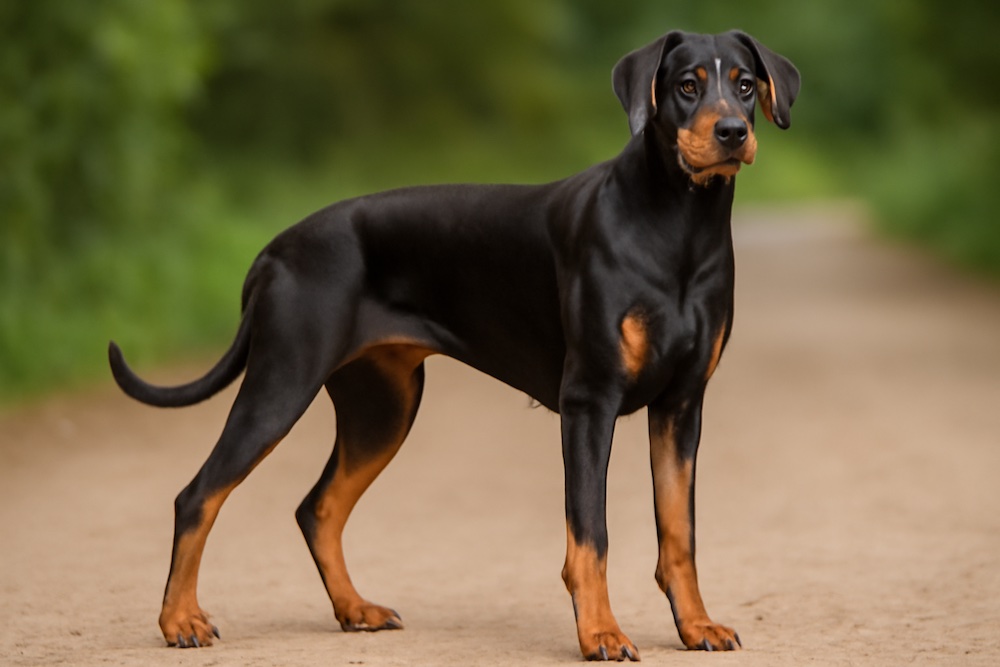
Temperament: Loyal, alert, intelligent
Lifespan: 10–13 years
The Doberman Pinscher is the perfect blend of strength, elegance, and intelligence. Known worldwide as one of the most reliable guardian breeds, the Doberman is also incredibly affectionate with its family. They’re loyal in a way that feels personal — they watch you, learn your routines, and stay close without being clingy. Their bond with their owners is deep, confident, and steady.
Dobermans are highly intelligent and respond well to structured training. They enjoy learning, solving problems, and being mentally engaged. Their alertness and natural protective instincts make them excellent watchdogs, though responsible owners train them to be calm, stable, and controlled.
Physically, the Doberman is athletic and graceful. They need daily exercise — brisk walks, running, obedience training, or play sessions that challenge both mind and body. Without activity, they can become restless or anxious.
Despite their strong appearance, Dobermans are sensitive dogs. They respond to tone and emotion, and they thrive on positive reinforcement rather than harsh corrections. With the right environment, they’re affectionate, playful, and incredibly gentle with children.
Their short coat is low-maintenance, though they shed lightly. Health-wise, monitoring for heart issues is important.
Overall, the Doberman is a noble, loyal companion with a strong protective instinct and a surprisingly soft heart.
21. Pug
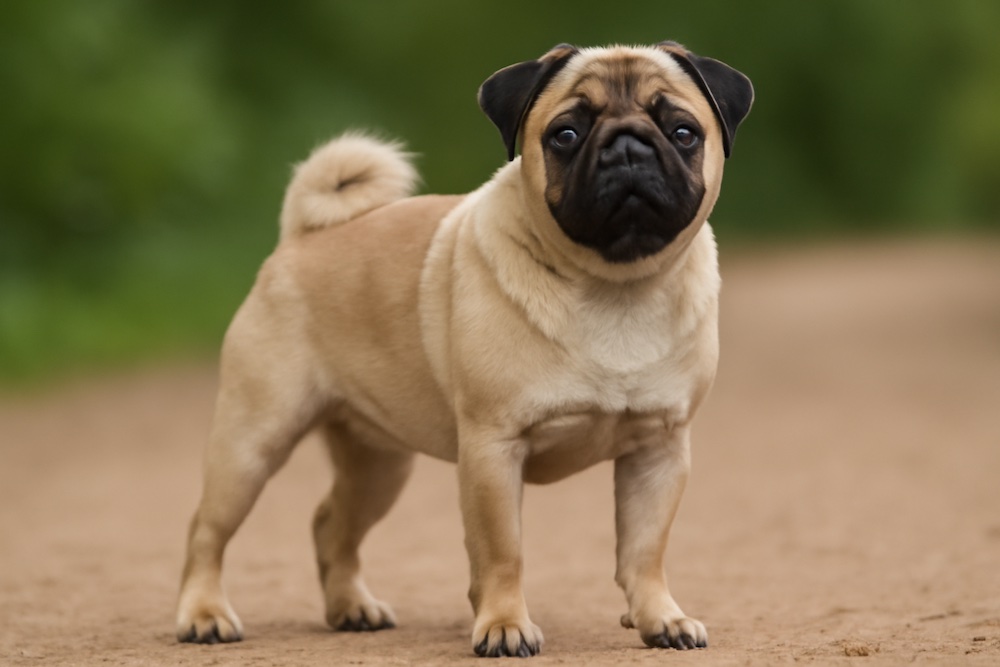
Temperament: Charming, funny, loving
Lifespan: 12–15 years
The Pug is a small dog with a huge personality. They’re often described as “the comedians of the dog world” because of their expressive faces, goofy behaviour, and constant desire to make people laugh. Pugs thrive on human companionship — they love being the center of attention and brighten any room with their warm, silly presence.
They’re affectionate without being demanding. A Pug will happily follow you around, nap beside you, and greet you with excitement every time you return. They’re wonderful with children and gentle with elders, making them an ideal family dog. Their playful nature doesn’t require intense activity; short walks and indoor play are enough to keep them content.
Because of their short noses, Pugs can be sensitive to heat and shouldn’t be exercised too hard in hot weather. They benefit from a cool environment and careful monitoring during warm months.
Their short coat sheds more than many people expect, but grooming is simple. Regular cleaning of facial folds keeps them comfortable.
Pugs are emotionally intuitive — they sense your mood and try to cheer you up with their silly antics or calm snuggles. They’re lovable, funny, and full of heart, bringing joy wherever they go.
22. Bernese Mountain Dog
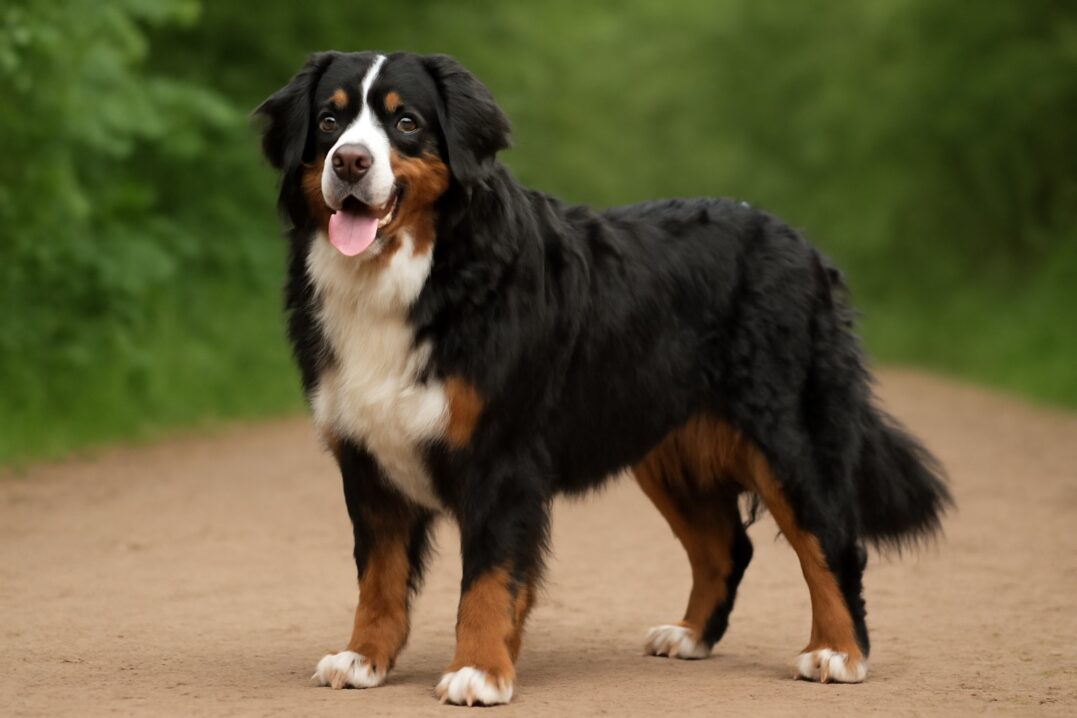
Temperament: Gentle, calm, affectionate
Lifespan: 7–10 years
The Bernese Mountain Dog is a large, striking breed known for its tri-color coat and calm, friendly nature. Despite their impressive size, Berners are incredibly gentle. They’re patient with children, polite with strangers, and affectionate with their families. Their mellow temperament makes them wonderful companions for homes that appreciate a peaceful, loving presence.
Berners enjoy being part of the family’s daily routine. They love outdoor activities — long walks, hikes, playing in open fields — but they’re not overly demanding. What they value most is companionship. They bond deeply and stay close to their people, often leaning their large bodies against their owners as a quiet display of affection.
Their thick coat is beautiful but requires regular grooming, especially during seasonal shedding. They handle cold weather well but can overheat in hot climates, so owners in warmer regions need to monitor activity and provide shade and water.
Berners are generally easy to train due to their gentle, willing-to-please nature. They respond well to calm, positive reinforcement and enjoy working alongside their owners.
Emotionally, they’re soft, loving dogs who bring warmth and stability to any home. Their shorter lifespan is their only drawback, but in those years, they give loyalty, companionship, and kindness in abundance.
23. Samoyed
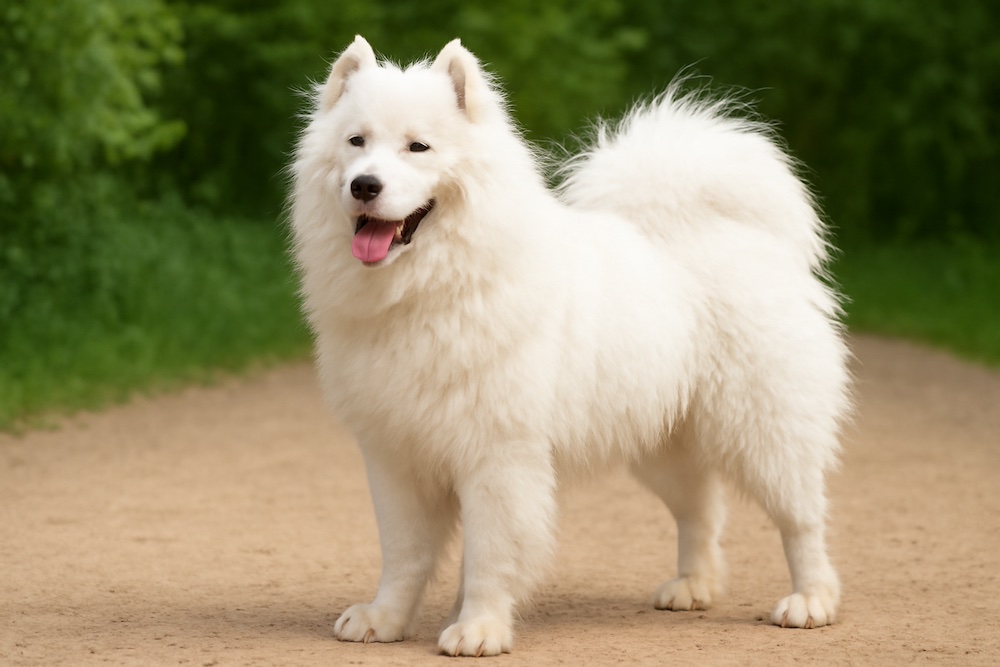
Temperament: Friendly, playful, expressive
Lifespan: 12–14 years
The Samoyed, often called the “smiling dog,” is famous for its cheerful expression, fluffy white coat, and loving nature. Samoyeds were originally bred to work closely with Siberian families — herding reindeer, pulling sleds, and even warming tents by sleeping inside. That history created a breed that thrives on human companionship and loves being involved in everyday life.
Samoyeds are playful and energetic. They adore outdoor activities, running, hiking, and participating in games that allow them to use both their body and mind. Their friendly nature makes them great with children, visitors, and other pets. They’re not aggressive; instead, they greet life with curiosity and enthusiasm.
Their thick double coat is stunning but requires consistent grooming. Samoyeds shed heavily, especially during seasonal coat changes. Regular brushing keeps their fur healthy and prevents matting.
Training is generally easy thanks to their intelligence, but like most Arctic breeds, they can be independent at times. Positive, gentle training works best.
Samoyeds are talkative dogs who express themselves through soft howls, playful barks, and body language. Emotionally, they’re sensitive and bond deeply with their families. A Samoyed brings joy, beauty, and lively energy — the kind of dog that brightens every moment with their iconic smile.
24. Akita
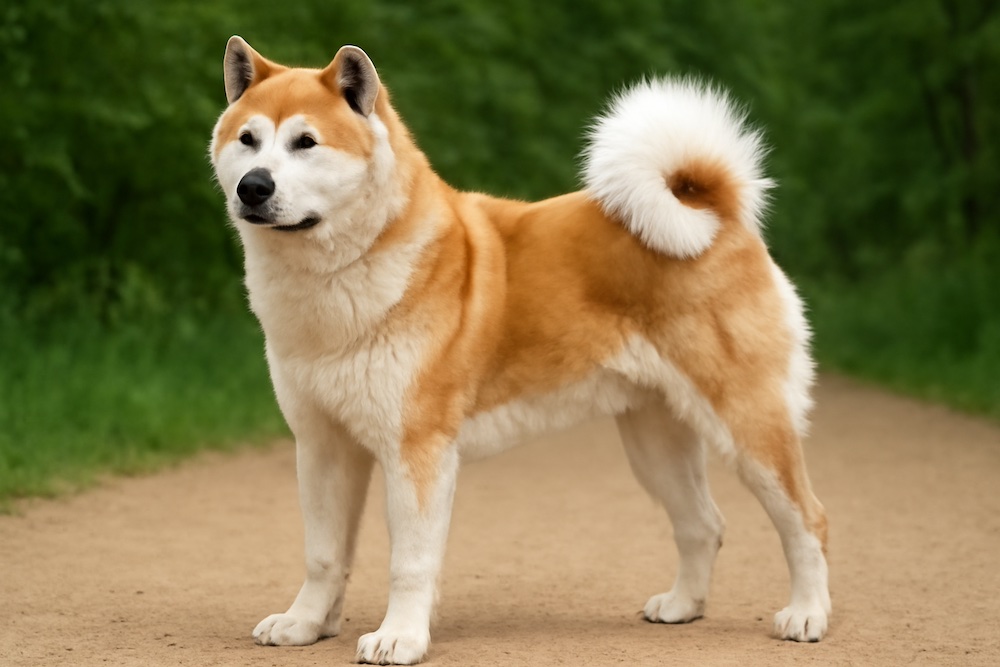
Temperament: Dignified, loyal, protective
Lifespan: 10–14 years
The Akita is a powerful and deeply loyal breed with a calm, dignified nature. Originally from Japan, Akitas were bred to guard royalty and hunt large game, which gives them a proud, confident presence. They’re not overly expressive with strangers, but with their families, they are deeply affectionate, devoted, and protective.
Akitas form strong bonds with their owners and prefer a close, respectful relationship over constant cuddling. They are clean, quiet dogs who often groom themselves like cats. Their alert, watchful nature makes them excellent guardians without excessive barking or unnecessary aggression.
Training an Akita requires confidence and consistency. They’re intelligent but independent, so they respect leaders who are calm and clear. With proper socialization, Akitas can live peacefully with children and other pets, though they tend to be selective about dog companions.
Their thick double coat protects them in cold weather and sheds heavily during seasonal changes. Regular brushing helps maintain coat health.
Akitas are emotionally loyal — once bonded, they stand by their families for life. They bring a noble, commanding presence into any home and are best suited for owners who appreciate a calm, intelligent protector.
25. Boston Terrier
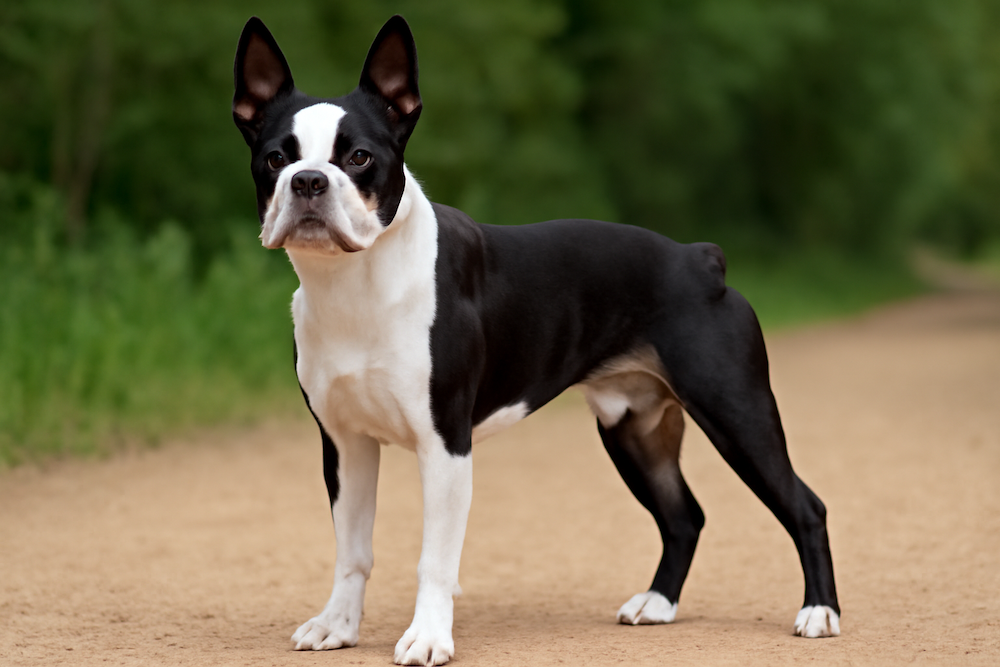
Temperament: Friendly, intelligent, lively
Lifespan: 11–15 years
The Boston Terrier is a small, stylish dog with a bright, cheerful personality and a natural charm that wins people over instantly. Often called the “American Gentleman” because of their tuxedo-like markings, Bostons carry themselves with confidence and lovable enthusiasm. They’re quick to bond with their families, eager to interact, and always ready for play or cuddles, depending on your mood.
Boston Terriers are intelligent and respond well to training. They enjoy learning tricks, participating in light games, and being mentally engaged. Their moderate energy level makes them suitable for both active owners and people who prefer calmer lifestyles. Short walks, indoor play, and interactive toys keep them happy and balanced.
One of the Boston Terrier’s strongest qualities is adaptability. They thrive in apartments, family homes, or even busy city environments. They get along well with children and other pets, and they rarely exhibit aggressive behaviour. Their social nature makes them great companions for visitors and new environments.
Because they have a short snout, Bostons can be sensitive to heat and require careful exercise management in warm climates. Their short coat is easy to maintain, though they shed moderately.
Emotionally, Boston Terriers are affectionate, expressive, and full of personality. They’re the type of dog that instantly becomes part of the family — playful when you want fun, gentle when you need calm, and loyal every day.
If you enjoyed this guide and want more honest, practical tips on choosing, raising, and caring for your dog, stay with us. Subscribe to the blog for weekly updates, real-life advice, and simple breakdowns every dog lover can use. Your next favorite dog article is only a click away.
FAQ Section
1. What is the most popular dog breed in the world right now?
The Labrador Retriever consistently ranks as the world’s most popular dog due to its friendly nature, family-friendly temperament, and easy adaptability. They’re reliable, easy to train, and great for almost any lifestyle.
2. Which dog breed is best for families with children?
Golden Retrievers, Labradors, Beagles, and Boxers are among the best for families. They’re gentle, patient, and playful — perfect for homes with kids.
3. What dog breed is easiest for first-time owners?
Breeds like the Shih Tzu, Pug, Cavalier King Charles Spaniel, and Labrador Retriever are beginner-friendly. They’re affectionate, forgiving, and respond well to training.
4. Which dog breeds live the longest?
Small breeds like Chihuahuas, Dachshunds, Maltese, and Yorkshire Terriers often live 14–16 years or more with good care.
5. What dog breeds are best for apartments?
French Bulldogs, Pugs, Shih Tzus, and Boston Terriers adapt extremely well to small spaces. They need moderate exercise and thrive on companionship.
6. Which breeds require the most exercise?
Border Collies, Australian Shepherds, Huskies, and Belgian Malinois need high levels of activity and mental stimulation. They’re best for active or outdoorsy owners.
7. What’s the best dog breed for warm climates?
Short-coated dogs like the Basenji, Doberman Pinscher, and Boxer handle heat better than thick-coated breeds like Huskies or Samoyeds.
8. Are mixed-breed dogs good companions too?
Absolutely. Mixed-breed dogs often have wonderful temperaments, fewer inherited health issues, and can be just as loving and loyal as purebred dogs.
9. How do I pick the right breed for my lifestyle?
Think about your daily routine, energy level, living space, and long-term commitment. Choose a breed that naturally fits — not one you must constantly adapt to.
10. Do popular dog breeds make better pets?
Not necessarily. Popularity only reflects general preference. The best dog is the one whose temperament, needs, and personality align with your life.
Just tell me what you want next.