Last Updated on July 31, 2025 by Dogs Vets
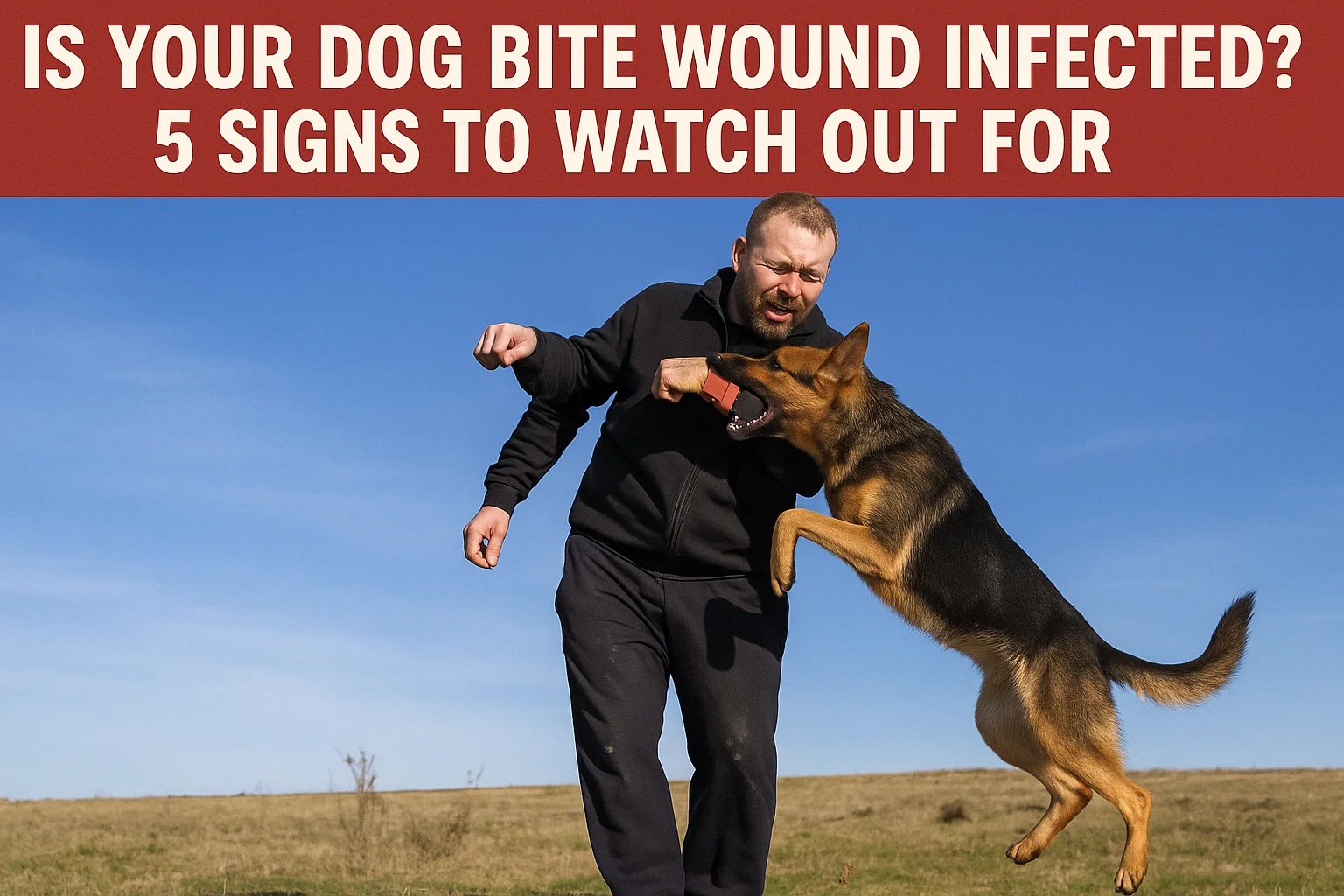
Dog bites are more than just painful—they can lead to serious health complications if not addressed promptly. Infections from dog bite wounds are a significant concern, as dogs carry bacteria and viruses in their mouths that can cause severe issues in humans. Recognizing the signs of an infected wound early can make the difference between a quick recovery and long-term complications. This comprehensive guide explores five critical signs of infection, detailed treatment protocols, preventive strategies, and answers to common questions about dog bite wounds.
Understanding Dog Bite Wounds
Dog bites vary widely in severity, from superficial scratches to deep punctures that damage muscles, nerves, or bones. According to the Centers for Disease Control and Prevention, approximately 4.5 million dog bites occur annually in the United States, with 800,000 requiring medical attention. Children and the elderly are particularly vulnerable due to their size and weaker immune systems.
The risk of infection is high because dogs’ mouths harbor bacteria such as Pasteurella multocida, Staphylococcus aureus, and Streptococcus species. In rare cases, bites can transmit serious diseases like rabies or tetanus. Immediate care and vigilant monitoring are essential to prevent complications. This article will guide you through the signs of infection, treatment options, and steps to minimize risks.
5 Critical Signs Your Dog Bite Wound May Be Infected
Infections can develop within hours to days after a dog bite. Here are the five key indicators to watch for:
1. Redness and Swelling
Redness and swelling are normal immediately after a bite due to tissue trauma. However, if the redness spreads beyond the wound’s edges or the swelling increases over 24–48 hours, it’s a red flag. Infected wounds may feel warm to the touch and appear inflamed. For example, a small bite on the hand that becomes increasingly red and puffy could indicate a bacterial infection spreading through the tissue.
2. Pain and Tenderness
Mild pain is expected after a bite, but persistent or worsening pain—especially when touching or moving the affected area—suggests infection. Tenderness that intensifies over time may indicate that bacteria are multiplying in the wound. For instance, a bite on the leg that becomes too painful to walk on warrants immediate medical evaluation.
3. Pus or Drainage
Pus or unusual drainage is a definitive sign of infection. This may manifest as thick, yellow, green, or cloudy fluid with a foul odor. In some cases, the discharge may be bloody or watery. For example, if you notice pus oozing from a bite wound when changing a bandage, it’s critical to seek medical care to prevent the infection from spreading to deeper tissues or the bloodstream.
4. Fever
A fever, typically above 100.4°F (38°C), signals that your body is fighting an infection. Systemic symptoms like chills, fatigue, or muscle aches may accompany the fever. If you develop a fever within days of a dog bite, it could indicate a serious infection, such as cellulitis or sepsis. Immediate medical attention is essential to address the underlying cause.
5. Worsening Symptoms
If symptoms like redness, swelling, or pain worsen despite cleaning and bandaging the wound, the infection may be progressing. Other concerning signs include increased warmth, numbness, or difficulty moving the affected area. For example, a bite on the arm that leads to swelling and restricted movement could suggest a deep tissue infection or abscess, requiring urgent care.
For more on wound care, check Dogsvets.com’s Health Section.
Key Facts About Dog Bite Wounds and Infections
Understanding the risks associated with dog bites is crucial for effective management. Here are essential facts to keep in mind:
-
Bacterial Transmission: Dogs carry bacteria that cause infections in 10–15% of bite cases, per the American Veterinary Medical Association. Common pathogens include Capnocytophaga canimorsus, which can be particularly dangerous for immunocompromised individuals.
-
Rabies Risk: Rabies, though rare, is a fatal viral disease transmitted through bites. If the dog’s vaccination status is unknown, you may need post-exposure prophylaxis. Learn more from the World Health Organization.
-
Tetanus Concerns: Deep bites can introduce tetanus-causing bacteria. Ensure your tetanus vaccination is up-to-date (recommended every 10 years).
-
Legal Implications: Many states have strict liability laws, meaning dog owners are responsible for medical expenses, lost wages, and damages. Consult local regulations or a legal professional for guidance.
-
High-Risk Wounds: Bites to the hands, feet, or face, as well as deep punctures, are more likely to become infected due to poor blood flow or proximity to vital structures.
-
Proper Wound Care: Immediate cleaning with soap and water, followed by a disinfectant and sterile bandage, reduces infection risk by up to 50%.
Treatment for Dog Bite Wounds
Treatment depends on the bite’s severity, location, and infection risk. Even minor bites require careful attention. Here’s a detailed treatment protocol:
1. Clean the Wound Thoroughly
Rinse the wound under running water with mild soap for 5–10 minutes to remove dirt, saliva, and bacteria. Avoid harsh antiseptics like hydrogen peroxide or alcohol, as they can damage healthy tissue and delay healing. For example, gently scrub a shallow bite on the arm with soap to ensure it’s clean. See Mayo Clinic’s First Aid Guide for step-by-step instructions.
2. Control Bleeding
Apply direct pressure with a clean cloth or sterile gauze to stop bleeding. Elevate the affected area if possible (e.g., raise a bitten hand above heart level). Persistent bleeding after 15 minutes requires medical attention.
3. Apply a Sterile Dressing
Cover the wound with a sterile bandage or adhesive dressing to protect it from dirt and bacteria. Change the dressing daily or if it becomes wet or dirty. For instance, use a waterproof bandage for a bite on the finger to keep it dry during daily activities.
4. Manage Pain
Over-the-counter pain relievers like ibuprofen or acetaminophen can alleviate discomfort. Follow dosage instructions and consult a doctor if pain persists beyond a few days.
5. Antibiotics
Antibiotics are often prescribed for high-risk bites, such as those that are deep, involve the hands or face, or show early signs of infection. Common antibiotics include amoxicillin-clavulanate. Complete the full course, typically 7–14 days, to prevent antibiotic resistance.
6. Surgical Intervention
Severe bites may require surgery to clean the wound, remove dead tissue, or repair damage to muscles, tendons, or nerves. For example, a deep bite to the thigh might need surgical debridement to prevent abscess formation.
7. Rabies and Tetanus Prophylaxis
If the dog’s rabies status is unknown, a series of rabies vaccines may be administered over 14 days. A tetanus booster may also be given if your last shot was over 5 years ago. Consult your healthcare provider immediately.
8. Follow-Up Care
Monitor the wound daily for signs of infection and attend follow-up appointments. Report any new symptoms, such as increased pain or drainage, to your doctor promptly.
For additional wound care tips, visit Dogsvets.com’s First Aid Guide.
Preventing Dog Bites and Infections
Preventing dog bites is the best way to avoid infections and complications. Here are actionable strategies:
1. Train and Socialize Your Dog
Proper training reduces aggressive behavior. Enroll your dog in obedience classes and expose them to various environments to improve their temperament. The American Veterinary Medical Association offers resources on responsible pet ownership.
2. Supervise Interactions
Never leave children or vulnerable individuals alone with dogs, even familiar ones. Teach kids to avoid sudden movements or loud noises around dogs.
3. Avoid Aggressive Dogs
Do not approach unfamiliar or visibly agitated dogs. Signs of aggression include growling, bared teeth, or raised fur. If encountering a stray, remain calm and avoid eye contact.
4. Educate Your Community
Raise awareness about dog bite prevention through local workshops or school programs. Share resources from the American Academy of Pediatrics.
5. Maintain Vaccinations
Ensure your dog is vaccinated against rabies and other diseases. Regular vet check-ups can also identify health issues that may trigger aggression.
6. Practice Safe Wound Care
If bitten, clean the wound immediately and seek medical advice, even for minor injuries. Early intervention prevents up to 80% of infections.
For more training tips, explore Dogsvets.com’s Training Section.
Long-Term Complications of Dog Bite Wounds
While most dog bites heal with proper care, some lead to long-term issues:
-
Scarring: Deep or poorly treated wounds can cause permanent scars. Cosmetic surgery may be an option for severe cases.
-
Nerve Damage: Bites to areas with dense nerve endings, like the hands, can cause numbness or loss of function.
-
Psychological Impact: Victims, especially children, may develop fear of dogs or post-traumatic stress disorder (PTSD). Counseling can help address these issues.
-
Chronic Infections: Untreated infections can lead to osteomyelitis (bone infection) or septic arthritis, requiring prolonged treatment.
Regular follow-ups with healthcare providers and adherence to treatment plans minimize these risks.
Legal and Financial Considerations
Dog bites often involve legal and financial implications. In many states, owners are strictly liable, meaning they’re responsible for damages regardless of the dog’s history. Victims may claim compensation for:
-
Medical expenses (e.g., hospital bills, medications)
-
Lost wages due to recovery time
-
Pain and suffering
-
Property damage (e.g., torn clothing)
Document the incident, including photos of the wound, medical records, and witness statements. Consult a personal injury attorney to navigate claims.
Frequently Asked Questions About Dog Bite Wounds
1. What should I do if my dog bites someone?
Seek immediate medical care for the victim and contact your veterinarian to evaluate your dog’s health and behavior. Report the incident to local authorities and cooperate with any investigations.
2. How can I tell if a dog bite wound is infected?
Look for redness, swelling, pain, pus, fever, or worsening symptoms. These signs typically appear within 1–3 days. Consult a doctor if you’re unsure.
3. What is the proper treatment for a dog bite wound?
Clean the wound with soap and water, apply a sterile bandage, and seek medical evaluation. Antibiotics, rabies shots, or surgery may be needed based on severity.
4. Can a dog bite wound cause scarring?
Yes, especially if the wound is deep or infected. Proper care and early treatment reduce scarring risks. Consult a dermatologist for severe cases.
5. How long does it take for a dog bite wound to heal?
Minor bites heal in 7–10 days, while deep or infected wounds may take 2–4 weeks or longer with medical intervention.
6. How can I prevent dog bites?
Train and socialize dogs, supervise interactions, avoid aggressive animals, and educate others on safe pet handling. Regular vet care also helps.
7. Are there risks associated with dog bites?
Yes, risks include bacterial infections, rabies, tetanus, scarring, nerve damage, and, in rare cases, life-threatening complications like sepsis.
8. When should I see a doctor for a dog bite?
See a doctor immediately for deep bites, bites to the face or hands, signs of infection, or if the dog’s rabies status is unknown. Even minor bites should be evaluated if symptoms worsen.
9. Can I treat a dog bite at home?
Minor bites can be cleaned and bandaged at home, but medical evaluation is recommended to assess infection risk and ensure proper care.
10. What should I do if the dog’s owner refuses to cooperate?
Document the incident and contact local animal control or law enforcement. A lawyer can help pursue compensation for damages.
Conclusion
Dog bite wounds are serious injuries that require immediate attention to prevent infections and long-term complications. By recognizing the five signs of infection—redness, pain, pus, fever, and worsening symptoms—you can take swift action to seek medical care. Proper wound care, preventive measures, and awareness of legal responsibilities are essential for managing dog bites effectively.
If you or someone you know has been bitten, don’t hesitate—clean the wound and consult a healthcare provider. For trusted pet health and safety advice, visit Dogsvets.com.
Fact Check and Contact Us
At Dogsvets.com, we’re committed to delivering accurate, up-to-date information on pet health. If you notice errors, have additional insights, or want to advertise with us, please reach out. Your feedback helps us improve!
References:
Centers for Disease Control and Prevention. (2020). Dog Bites. Retrieved from https://www.cdc.gov/dogbites/index.html
World Health Organization. (2019). Dog Bite Prevention. Retrieved from https://www.who.int/campaigns/world-dog-bite-prevention-week/wdbpw-2019/dog-bite-prevention
American Veterinary Medical Association. (2019). Dog Bites: What You Need to Know. Retrieved from https://www.avma.org/resources-tools/pet-owners/dog-bite-prevention
American Academy of Pediatrics. (2018). Dog Bites. Retrieved from https://www.healthychildren.org/English/health-issues/injuries-emergencies/Pages/Dog-Bites.aspx
Mayo Clinic. (2021). Dog bites: First aid. Retrieved from https://www.mayoclinic.org/first-aid/first-aid-dog-bites/basics/art-20056591
These references provide reliable and up-to-date information on dog bite wounds, including the causes, symptoms, and treatments. The information can be used as a resource for individuals seeking to learn more about this topic.