Last Updated on July 15, 2025 by Dogs Vets
Dogs are more than pets. They’re family. Loyal, forgiving, and always there when we need them most. But even with the best intentions, dog owners sometimes make mistakes that can harm their furry friends more than they help. The trouble is, many of these mistakes don’t look like mistakes at all—until it’s too late.
Veterinarians across the country are speaking out. From nutrition to emotional neglect, there are some habits they wish every dog owner would break. Immediately.
Here are five things you should stop doing to your dog—for their sake and yours.
1. Feeding Them Human Food (Even the “Healthy” Stuff)
We get it. Those eyes. That face. The guilt trip they lay on you at dinner time is hard to resist. But sharing your plate isn’t doing them any favors.
Veterinarians say that many human foods are toxic to dogs: onions, garlic, grapes, chocolate, and even certain nuts can cause severe illness. But even “harmless” table scraps can lead to long-term problems like obesity, pancreatitis, and nutrient imbalances.
“Dogs aren’t built to digest rich, fatty human foods,” says Dr. Karen Lewis, DVM. “Even small amounts of certain ingredients can lead to serious consequences.”
Instead:
- Stick to vet-approved treats.
- Avoid giving leftovers.
- Read dog food labels and prioritize balanced nutrition.
2. Skipping Annual Vet Visits
Your dog seems healthy. Eats well, plays hard, sleeps soundly. Why spend hundreds at the vet?
Because dogs are experts at hiding pain.
Conditions like dental disease, arthritis, heart issues, and cancer can go undetected for months without regular checkups. By the time symptoms show, it may be too late to reverse the damage.
“Preventive care isn’t a luxury. It’s essential,” says Dr. Marcus Gray, a small animal practitioner in Chicago. “Annual wellness exams catch early signs before they become life-threatening.”
What to do:
- Schedule a yearly checkup.
- Get annual bloodwork, especially for senior dogs.
- Stay current on vaccinations and parasite prevention.
3. Using Punishment-Based Training Methods
Dogs don’t learn through fear. Yet punishment-based training—shock collars, yelling, leash jerks—is still common.
Research shows these methods lead to increased anxiety, aggression, and broken trust. Positive reinforcement, on the other hand, creates lasting results and a better relationship.
“Training built on fear can damage a dog’s mental health,” says certified dog behaviorist Elena Rivers. “Dogs thrive when they feel safe and understood.”
Choose this instead:
- Reward good behavior with treats, praise, or play.
- Use clicker training or marker words.
- Redirect bad behavior gently and consistently.
4. Neglecting Their Mental Stimulation
Your dog may have a backyard, a full belly, and a soft bed—but that’s not enough. Mental stimulation is critical for a dog’s overall well-being.
Without it, dogs get bored. And boredom turns into destructive behavior: chewing furniture, excessive barking, even self-harm.
Dogs are wired to sniff, solve, explore, and learn. They need brain work.
Simple ways to engage your dog:
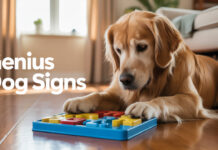
- Puzzle toys or treat-dispensing games
- Daily walks with sniffing time
- Basic obedience refreshers or new tricks
- Hide-and-seek games in the house
“A tired dog isn’t just physically tired,” Dr. Lewis says. “Mental exercise is just as important as physical.”
5. Ignoring Behavioral Changes
“He’s just getting old.”
“She’s being difficult lately.”
Behavioral shifts in your dog are not something to brush off. A normally social dog suddenly hiding under the bed? A house-trained pup having accidents?
These can be signs of physical pain, cognitive decline, stress, or even underlying illness.
“Behavior is how dogs talk to us,” says Dr. Gray. “When something changes, listen.”
Common red flags:
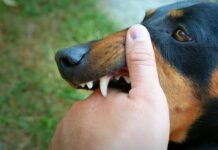
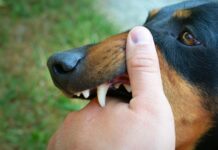
- Increased aggression or withdrawal
- Loss of interest in play or food
- Sudden clinginess or anxiety
- Excessive licking, chewing, or pacing
Act fast:
- Document the changes.
- Rule out medical causes with a vet visit.
- Consider a behaviorist if it’s not physical.
Final Thoughts
Loving your dog means more than belly rubs and long walks. It means being willing to learn, to adapt, and to put their needs first—even when it’s inconvenient.
Veterinarians aren’t trying to scold anyone. They’re trying to protect the animals who can’t speak for themselves.
So next time you’re tempted to toss your dog a slice of pizza or skip that vet visit, remember: the best care is proactive, not reactive.
They trust you with everything.
Make sure that trust is earned.
Call to Action: If this helped you think differently about how you care for your dog, share it with a fellow pet parent. Let’s keep our pups healthy, happy, and wagging for years to come.
Frequently Asked Questions
1. Can dogs eat fruits and vegetables from my plate?
Some fruits and vegetables are safe, like carrots or apples (without seeds), but many common foods are toxic to dogs. Always research or consult a vet before sharing.
2. My dog seems healthy—do I really need annual vet visits?
Yes. Dogs hide pain well, and yearly checkups help catch health issues early when they’re easier and cheaper to treat.
3. Are shock collars ever okay to use?
Most experts advise against them. Positive reinforcement is safer, more effective, and strengthens your bond with your dog.
4. How do I know if my dog is mentally bored?
Signs include excessive barking, digging, chewing on furniture, or pacing. Try puzzle toys and interactive play to re-engage them.
5. What should I do if my dog starts acting differently?
Document the behavior, note when it began, and book a vet appointment. Changes in mood or habits often signal physical or emotional issues.
Hashtags: #DogCareTips #VetAdvice #HealthyDog #DogLovers #PetParenting #DogTraining