
Last Updated on November 19, 2025 by Dogs Vets
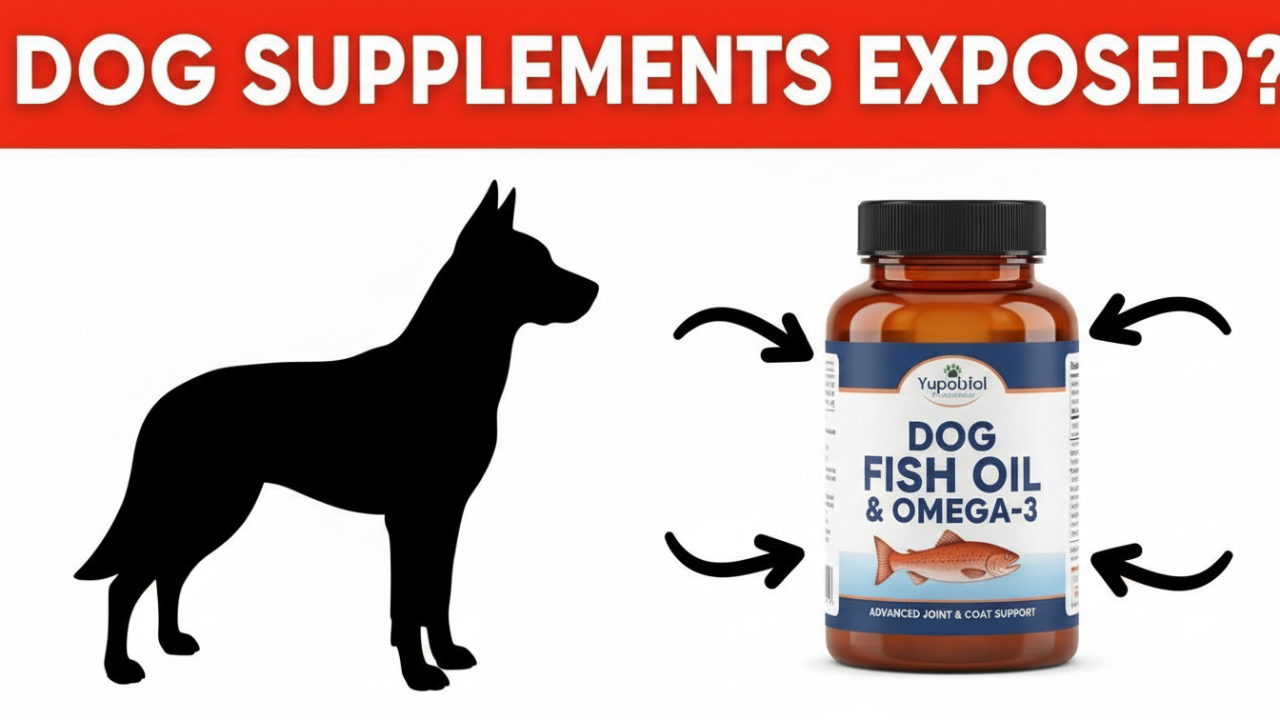
If you’re a dog owner looking to boost your furry friend’s health, chances are you’ve heard about fish oil for dogs and dog omega-3 supplements. These products have become increasingly popular—and for good reason. In this article, I’ll walk you through what they are, why they matter, how to pick the right one, what dosage to use, and important safety considerations. My goal is to give you an SEO‑optimised, well‑rounded guide you could publish today and that helps your pet thrive.
Why omega‑3 matters for dogs
First, let’s clarify the basics: when we say “dog fish oil” or “dog omega‑3 supplement,” we’re talking about oils or capsules rich in long‑chain omega‑3 fatty acids—primarily EPA (eicosapentaenoic acid) and DHA (docosahexaenoic acid). These fats are found in cold‑water fish and marine sources and are known for anti‑inflammatory and wellness‑supporting properties. (American Kennel Club)
Dogs, like humans, cannot produce sufficient amounts of these on their own and may not get enough from standard diets. The imbalance between omega‑6 (in many pet foods) and omega‑3 can lead to inflammation, skin issues, joint problems, and more. (American Kennel Club)
As one authoritative source puts it:
“Fish oil is one of the best supplements to add to your dog’s diet. Fish oil supports your dog’s heart health, promotes a silky coat, reduces itchy and flaky skin, and can help relieve allergies and joint pain.” (American Kennel Club)
In short: giving your dog a quality omega‑3 supplement may support multiple systems—skin & coat, joints, heart, brain, immune system.
The health benefits: what the research shows
Let’s dive into specific benefits of fish oil / omega‑3s for dogs, with what the research and vet‑sources currently support.
1. Skin, coat & allergy support
Dogs with dry, flaky skin, itchiness or dermatitis often benefit from omega‑3 supplementation. These fats help reduce inflammatory mediators (cytokines) that trigger itching, and help strengthen the skin barrier. (PetMD)
For example, the article from the Animal Medical Center of Chicago states:
“Giving fish oil to pets with allergies may reduce their itching by decreasing their body’s production or release of potent stimulators of inflammation, called cytokines.” (Animal Medical Center of Chicago)
2. Joint/canine arthritis support
Dogs (especially senior dogs or breeds prone to arthritis) often suffer from joint pain and reduced mobility. Omega‑3s can help by reducing inflammatory prostaglandins in joints and improving comfort & agility. (Animal Medical Center of Chicago)
One study noted that arthritic dogs supplemented with fish oil were more comfortable and mobile than dogs without. (PetMD)
3. Heart & circulatory system
There’s evidence that fish oil can support heart health in dogs—helping reduce arrhythmia risk, lowering triglycerides, and supporting blood flow. (PetMD)
For instance:
“Fish oil has been found to reduce the heart’s vulnerability to developing an irregular heart rhythm … Additionally, it may act as an anti‑coagulant and prevent blood clots… ” (Animal Medical Center of Chicago)
4. Cognitive / brain development & ageing
For puppies, DHA is crucial for brain and eye development. For senior dogs, omega‑3 may help cognitive decline. (PetMD)
One 2012 study found puppies supplemented with DHA learned and retained skills better. (Animal Medical Center of Chicago)
5. Kidney, immune & other systemic benefits
Omega‑3 supplementation may help dogs with early kidney disease (reducing protein loss, inflammation), and generally support immune health. (PetMD)
A blog on omega‑3 for dogs notes:
“Supplements with omega‑3s are known to be important for a healthy heart… they reduce inflammation and lower blood pressure. … They also support a dog’s joint health. … Even healthy dogs at all ages can benefit from immune‑boosting properties.” (qrillpet.com)
How to pick the right dog fish oil / omega‑3 supplement
With so many options on the market, choosing the right product can feel overwhelming. Here are key factors to check, based on vet‑source guidance.
1. Type & form
There are different chemical forms of fish oil: natural triglyceride, ethyl ester, synthetic triglyceride. The natural triglyceride form tends to be absorbed best. (American Kennel Club)
From the AKC article:
“There are three types of fish oil on the market: natural triglyceride oil … ethyl ester oil … synthetic triglyceride oil … Before choosing … consider their breed, size, weight and overall health. Ask your vet.” (American Kennel Club)
2. Purity & quality testing
Since supplements are less regulated, choose brands that disclose sourcing, third‑party testing, certificates of analysis, and that use sustainably‑caught fish. One source warns that many human fish oils failed purity tests. (Animal Medical Center of Chicago)
From the article:
“Not all fish oils are created equal … In fact … a study found over half of the supplements did not meet their label claim for EPA and DHA, and a quarter exceeded recommended limits for peroxide value (meaning it was rancid!)” (Animal Medical Center of Chicago)
3. EPA & DHA content
It’s important that the product lists how much EPA and DHA it contains (rather than just “fish oil”). These are the active components. The blog from QRILL Pet emphasises marine-derived EPA & DHA rather than plant‑based ALA, noting that dogs convert ALA poorly. (qrillpet.com)
4. Source sustainability
Prefer products using cold‑water fish (sardines, anchovies, wild salmon) or certified sustainable sources. The brand page for one product notes the fish oil comes from wild‑caught sardines and anchovies. (Nordic Naturals)
5. Form & administration convenience
Supplements come in liquid oil form (to add to food) or soft gels/chews. Consider your dog’s size, temperament and whether they’ll accept it. For example, the page from Nordic Naturals shows soft gels with dosage based on weight. (Nordic Naturals)
6. Balance with diet
Since many dog foods are high in omega‑6 fats, adding omega‑3 can help improve the ratio and reduce inflammation. One reference mentions that aged dogs especially show benefits when the n‑6 : n‑3 ratio is closer to optimal. (Wikipedia)
Dosage & administration: what to know
Getting the dosage right is important. Here are guidelines and tips—but note: always check with your vet for your dog’s specific situation.
Typical dosage guidance
- According to Sploot Vets: “The typical dose of omega‑3 for dogs is around 50‑75 mg per kg of body weight. However, therapeutic doses (for treating conditions) are typically higher.” (splootvets.com)
- The Animal Medical Center article offers a sample: “For most of my patients, I recommend 40 mg of EPA per kg of body weight and 25 mg of DHA per kg of body weight once daily.” (Animal Medical Center of Chicago)
- Example: A 10 kg (≈22 lb) dog might get ~400 mg EPA + 250 mg DHA daily.
How to administer
- Liquid form: mix into food. The PetMD article notes you can mix oil or give capsule/softgel. (PetMD)
- Soft gels/chews: often based on weight. The Nordic Naturals pet page shows a chart by weight: e.g. dogs 10–19 lbs get 1 soft gel. (Nordic Naturals)
- Administer with or without food—but if GI upset occurs, give with food. PetMD notes: “If you notice your pup has an upset stomach after taking fish oil… when dosed on an empty stomach” you may need to adjust. (PetMD)
How long until results?
- Some benefits (skin/coat) may show in a few weeks. More complex conditions (joints, heart) may take months. Sploot: “Fish oil for dogs isn’t a quick fix… you may see consistent benefits after a few weeks. For serious health conditions it may take a couple of months or more.” (splootvets.com)
- Keep in mind: It’s a supplement to support health— not a substitute for proper diet, veterinary care, or treatment when needed.
Key safety considerations & when not to use
Even though omega‑3 supplements are generally safe, there are some caveats and situations where caution or vet supervision is warranted.
Potential side effects
- Dogs may experience gastrointestinal upset (vomiting, diarrhea, drooling, licking lips) if dosage is too high or given improperly. (PetMD)
- Because omega‑3s can act as mild anticoagulants, dogs on blood‑thinning medications or with bleeding disorders should use under vet supervision.
- Some oils may be rancid or contaminated—buy from reputable brands. The Animal Medical Center article flagged that some fish oil supplements failed purity tests. (Animal Medical Center of Chicago)
Interactions & special conditions
- Dogs with pancreatitis should have fat‑intake managed carefully; fish oil adds fat.
- Dogs already on a high‑fat therapeutic diet should not have unsupervised added oils.
- Always produce a veterinarian’s approval before use if your dog has major health concerns (heart disease, kidney disease, cancer, etc.).
Storage & freshness
- Fish oil is susceptible to oxidation (rancidity). Store in a dark bottle, keep refrigerated after opening if required, discard if off smell. (American Kennel Club)
- Check expiry date and batch testing/certification.
Which dogs benefit most? Who should consider supplementing?
While many dogs may benefit, the following are groups where fish oil / omega‑3 supplementation may make the largest difference:
- Puppies (for brain/eye development)
- Senior dogs (joints, cognitive support)
- Dogs with skin/coat issues or allergies
- Dogs with joint pain, arthritis or mobility concerns
- Dogs with heart, kidney or inflammatory conditions (with vet recommendation)
- Very active, working or sporting dogs (greater recovery and wear‑and‑tear)
- Dogs on commercial diets high in omega‑6 and low in omega‑3
From Sploot Vets:
“Omega‑3 can be especially helpful for certain health conditions in dogs… but also preventative uses: Puppies, Senior dogs, Very active dogs, Breeds prone to skin and coat issues, Dogs at risk of heart disease.” (splootvets.com)
How to integrate fish oil / omega‑3 into your dog’s routine
Here’s a simple step‑by‑step process for doing it right:
- Assess your dog’s diet & health status.
Check their food’s fat sources, omega‑6:omega‑3 ratio if available, skin/joint/coat condition, age, breed, health concerns. - Consult your veterinarian.
Especially if your dog has existing health issues or takes medications. Ask: “Based on my dog’s weight/age/health what EPA+DHA dose do you recommend?” - Choose a high‑quality product.
Use the selection checklist above: good form (triglyceride preferred), transparency on EPA/DHA, third‑party testing, sustainable source, suitable form (liquid vs chew) for your dog. - Start with a safe dose.
Use the weight‑based guidelines. For example, for a 10 kg dog you might aim ~400 mg EPA + ~250 mg DHA daily (from Animal Medical Center sample). (Animal Medical Center of Chicago)
Monitor your dog closely when starting. - Administer correctly.
Add to food or give soft gel/chew. If GI upset, try giving with food or reducing dose and then slowly increasing. - Monitor and adjust.
Track changes in skin/coat shine, itchiness, joint mobility, energy levels. Give it 4‑8 weeks to see initial changes, longer for deeper conditions.
Revisit the vet for guidance if needed. - Maintain good storage.
Keep the product in cool, dark place (refrigerate if instructed), check expiry and smell before use.
FAQs (Frequently Asked Questions)
Q: Can I use human fish oil for my dog?
A: Generally not recommended. Human supplements may be dosed incorrectly for dogs and may contain additives (like xylitol) or flavors toxic for pets. (PetMD)
Q: When will I see results?
A: For skin/coat you might see improvements in a few weeks. For joint/heart/organ support it may take months. Consistency matters. (splootvets.com)
Q: Are plant‑based omega‑3s enough?
A: For dogs, the marine sources (EPA/DHA) are much more effective than plant‑based ALA sources. Dogs convert ALA to EPA/DHA poorly. (qrillpet.com)
Q: My dog is on a raw diet or high‑quality kibble—do they still need fish oil?
A: Possibly yes—unless the diet is formulated with sufficient EPA/DHA and balanced omega‑6:omega‑3 ratio. Your vet can check by diet analysis or blood test.
Q: Any reason not to give fish oil?
A: If the dog has untreated bleeding disorder, is on certain medications (anticoagulants), has pancreatitis or fat‑sensitive GI issues, or if you’re unsure of product quality. Always talk to your vet first.
Summary – What to remember
- Omega‑3s (EPA & DHA) from fish oil are powerful for dogs’ health—skin, coat, joints, heart, brain, immune support.
- Not all fish oils are equal: look for purity, form (triglyceride preferred), clear EPA/DHA numbers, reputable brands.
- Dosage depends on dog’s weight, age, health. Typical guidance: ~50–75 mg/kg body weight of combined omega‑3, but therapeutic doses may be higher. (splootvets.com)
- Always involve your vet—especially for dogs with existing conditions or on medications.
- Store properly, monitor for digestive upset, patience is key (benefits accumulate over weeks/months).
- Use fish oil to supplement a good diet and health plan—not as a magic fix.
If you like, I can pull together a list of vetted dog omega‑3 supplement brands, including approximate price and availability in Nigeria/Africa, so you can quickly pick one for your dog locally. Would that be helpful?