Last Updated on November 5, 2026 by Dogs Vets
Your dog is watching you prepare dinner. A carrot falls onto the kitchen floor, and before you can pick it up, your four-legged companion has already claimed it.
Most dog owners have experienced a moment like this. Dogs are curious eaters, and many seem just as interested in fresh vegetables as they are in their favorite treats.
But are vegetables actually good for dogs? Can dogs eat carrots, broccoli, green beans, or sweet potatoes? And are there vegetables that could make your dog sick?
The good news is that several everyday vegetables can make nutritious, low-calorie treats for dogs when prepared correctly. Some provide fiber, vitamins, minerals, and extra moisture, while others offer a satisfying crunch without adding many calories.
However, not every vegetable belongs in your dog’s food bowl. Some can cause digestive problems, while others, including onions and garlic, are toxic to dogs.
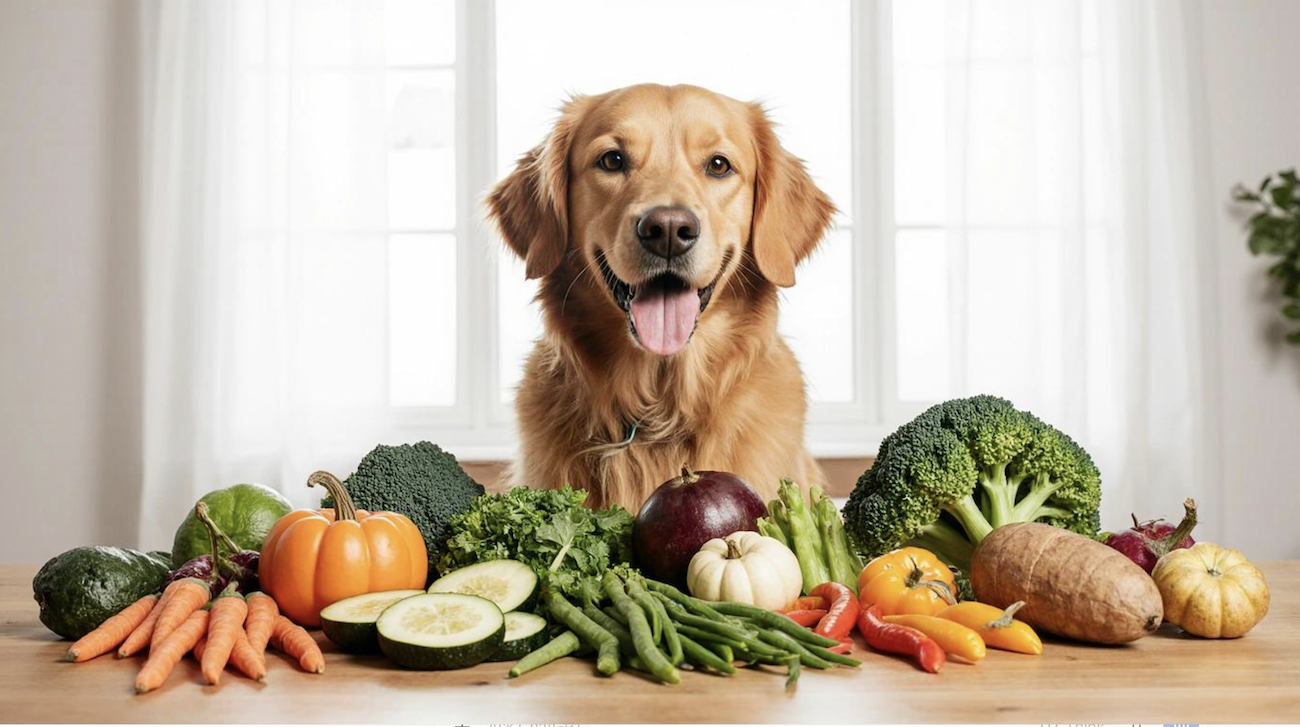
Whether you want to introduce healthier snacks, add variety to your dog’s meals, or simply find out which vegetables are safe to share, this guide covers the 10 best vegetables for dogs, their benefits, how to prepare them, and what to avoid.
Can Dogs Eat Vegetables?
Yes. Most dogs can safely eat certain vegetables in moderation.
Although dogs do not need vegetables as a separate food group when they eat a nutritionally complete and balanced diet, some vegetables can provide useful nutrients and make excellent alternatives to high-calorie commercial treats.
Vegetables may supply:
- Fiber: Supports normal digestion and helps maintain healthy bowel movements.
- Vitamins: Different vegetables provide vitamins such as A, C, and K.
- Minerals: Some contain potassium, magnesium, and other essential minerals.
- Water: Vegetables with high water content can contribute to daily hydration.
- Dietary variety: Different textures and flavors can make treat time more interesting.
The important distinction is that vegetables should complement your dog’s regular diet, not replace it. Your dog’s primary food should remain complete and balanced for their age, size, and health requirements.
With that in mind, here are 10 vegetables worth considering.
10 Best Vegetables for Dogs
1. Carrots
Carrots are among the best vegetables for dogs because they are affordable, widely available, naturally sweet, and relatively low in calories.
Their crunchy texture makes them an appealing snack for many dogs. Carrots also contain beta-carotene, which the body converts into vitamin A. Vitamin A plays an important role in normal vision, immune function, and skin health.
Carrots provide dietary fiber as well, which contributes to normal digestive function.
Benefits of carrots for dogs:
- Provide beta-carotene and dietary fiber.
- Offer a low-calorie alternative to many commercial treats.
- Contain nutrients that support normal eye and immune function.
- Can provide a satisfying crunchy texture.
How to serve carrots:
Wash carrots thoroughly and remove any dirt. You can offer them raw, grated, or lightly steamed. Cut them into small, manageable pieces appropriate for your dog’s size.
For puppies and dogs that struggle with hard foods, cooked carrots may be easier to chew.
One important precaution: Whole carrots and large chunks can become choking hazards, particularly for small dogs and enthusiastic eaters. Always supervise your dog while eating.
2. Green Beans
If your dog enjoys crunchy snacks but needs to watch their calorie intake, green beans are an excellent option.
Green beans contain fiber, vitamin K, and several minerals. They are also relatively low in calories, making plain green beans a useful occasional treat for dogs that need help managing their weight.
Their mild flavor and soft texture when cooked make them easy to incorporate into a dog’s treat routine.
Benefits of green beans for dogs:
- Low in calories compared with many traditional treats.
- Provide dietary fiber.
- Contain vitamins and minerals.
- Can add variety without contributing excessive calories.
How to serve green beans:
Fresh or frozen green beans can be served raw or lightly steamed. If using frozen beans, thaw or cook them before serving if necessary.
Avoid canned green beans containing added salt. Never prepare them with garlic, onions, butter, or heavy seasonings.
Cut longer beans into smaller pieces to reduce choking risks.
3. Broccoli
Broccoli is another vegetable dogs can eat, provided it is offered in small quantities.
It contains fiber, vitamin C, vitamin K, and other beneficial plant compounds. Its nutritional profile makes it a reasonable occasional addition to a dog’s treat selection.
However, broccoli is not a vegetable to serve in large amounts.
Broccoli florets contain naturally occurring isothiocyanates, compounds that can irritate a dog’s gastrointestinal tract when consumed in excessive quantities. Too much may cause gas, stomach discomfort, or diarrhea.
Benefits of broccoli for dogs:
- Contains vitamins C and K.
- Provides dietary fiber.
- Supplies naturally occurring plant compounds.
- Offers variety in a dog’s vegetable treats.
How to serve broccoli:
Wash thoroughly and offer small florets either raw or lightly steamed. Steaming can make the vegetable easier to chew.
Avoid adding salt, butter, garlic, onion, or sauces.
Start with a very small portion and monitor your dog for digestive discomfort. Broccoli should remain an occasional treat rather than a major part of their diet.
4. Sweet Potatoes
Sweet potatoes are a popular ingredient in many commercial dog foods and treats.
They contain dietary fiber, beta-carotene, and other nutrients. Their naturally sweet flavor also makes them appealing to many dogs.
Unlike some vegetables that can be served raw, sweet potatoes should be cooked before feeding them to your dog. Raw sweet potatoes are harder to digest and can present a choking risk, particularly when served in large pieces.
Benefits of sweet potatoes for dogs:
- Provide dietary fiber.
- Contain beta-carotene, which the body converts into vitamin A.
- Supply potassium and other nutrients.
- Offer a naturally sweet alternative to processed treats.
How to serve sweet potatoes:
Wash, peel if desired, and bake or boil the sweet potato until soft. Allow it to cool completely before serving.
Cut it into small cubes or mash it without adding butter, sugar, salt, or spices.
Avoid sweet potato fries, seasoned sweet potato dishes, and products containing added ingredients.
Because sweet potatoes contain more calories and carbohydrates than some other vegetables, portion control is important, especially for overweight dogs or dogs with diabetes.
5. Pumpkin
Pumpkin deserves a place on this list because it is a useful source of dietary fiber and contains a substantial amount of moisture.
Plain pumpkin is commonly recommended as a dietary addition for some dogs experiencing mild digestive irregularities. Its fiber can help support normal stool consistency, although the effect depends on the individual dog and the underlying cause of the problem.
Pumpkin also contains beta-carotene and other nutrients.
Benefits of pumpkin for dogs:
- Provides dietary fiber.
- Contains beta-carotene.
- Adds moisture to meals.
- Can be a useful occasional addition to a dog’s diet.
How to serve pumpkin:
You can offer plain, cooked pumpkin or 100% pure canned pumpkin.
Check the ingredient label carefully. Pumpkin pie filling is not the same thing as plain pumpkin. It may contain added sugar, spices, and other ingredients that are unsuitable for dogs.
Serve a small amount mixed into your dog’s regular food.
If your dog has persistent diarrhea, vomiting, constipation, or other digestive symptoms, consult a veterinarian instead of relying on pumpkin as a treatment.
6. Cucumbers
Cucumbers are an excellent choice when you want to offer your dog something refreshing without adding many calories.
They consist largely of water and have a mild flavor that many dogs enjoy. They also contain small amounts of vitamins and minerals.
Because of their high water content and low calorie density, cucumbers can be particularly useful as an occasional snack for dogs that need to maintain a healthy weight.
Benefits of cucumbers for dogs:
- Very low in calories.
- Contain plenty of water.
- Provide a crunchy texture.
- Offer an alternative to calorie-dense treats.
How to serve cucumbers:
Wash the cucumber and cut it into small slices or cubes.
Peeling is generally optional, but removing the skin may make it easier for some dogs to digest.
Never give your dog a whole cucumber or large, thick chunks. These can present choking risks, especially for smaller breeds.
Avoid pickles, which often contain excessive salt, vinegar, and seasonings. Some pickle recipes also include garlic.
7. Peas
Peas are small, but they contain several useful nutrients.
Green peas provide plant-based protein, dietary fiber, vitamins, and minerals. They are also found in a number of commercial dog food recipes.
Fresh or plain frozen peas can make a convenient occasional snack or meal topper.
Benefits of peas for dogs:
- Provide plant-based protein.
- Contain dietary fiber.
- Supply vitamins and minerals.
- Offer a small, convenient treat.
How to serve peas:
Fresh peas can be washed and offered in small quantities. Frozen peas should be thawed or lightly cooked before serving.
Avoid canned peas with added salt or seasoning.
One additional consideration: If your dog has a history of kidney problems or is eating a prescription diet, speak with your veterinarian before regularly adding peas or other new foods.
8. Bell Peppers
Bell peppers are another vegetable dogs can safely enjoy in moderation.
Red, yellow, and green bell peppers contain vitamins and antioxidants. Red bell peppers generally contain more beta-carotene and vitamin C than green varieties.
They also provide a crunchy texture that makes them an interesting alternative to traditional dog treats.
Benefits of bell peppers for dogs:
- Contain vitamins A, C, and E.
- Provide antioxidants.
- Offer a crunchy, low-calorie snack.
- Add variety to a dog’s vegetable selection.
How to serve bell peppers:
Wash the pepper thoroughly, remove the stem and seeds, and cut the flesh into small pieces.
You can offer it raw or lightly steamed.
Always use sweet bell peppers, not hot chili peppers or spicy varieties. Capsaicin-containing peppers can irritate your dog’s mouth and digestive system.
9. Zucchini
Zucchini is a mild-tasting vegetable that is generally safe for dogs when prepared properly.
It is relatively low in calories and contains water, fiber, and small amounts of several vitamins and minerals.
Its soft texture when cooked also makes it a practical option for dogs that prefer less crunchy foods.
Benefits of zucchini for dogs:
- Low in calories.
- Contains water and dietary fiber.
- Provides some vitamins and minerals.
- Can be served in different textures.
How to serve zucchini:
Wash the zucchini and cut it into small pieces. You can offer it raw, grated, or lightly steamed.
Avoid frying it or preparing it with garlic, onion, butter, salt, or oil-heavy sauces.
Plain zucchini is the best option.
10. Celery
Celery is a crunchy vegetable that can make an occasional low-calorie treat for dogs.
It contains plenty of water and provides small amounts of vitamins and minerals, including vitamin K and potassium.
Some dogs enjoy the crunch, while others may find the stringy texture less appealing.
Benefits of celery for dogs:
- Contains water.
- Is relatively low in calories.
- Provides some vitamins and minerals.
- Offers a crunchy alternative to processed snacks.
How to serve celery:
Wash the celery thoroughly and remove any damaged portions.
Cut it into very small pieces, paying particular attention to the fibrous strings. Large celery pieces can be difficult to chew and may present a choking hazard.
Offer it plain, without salt, butter, or seasoning.
How Much Vegetables Can Dogs Eat?
Even healthy vegetables should be served in moderation.
A useful general guideline is the 10% treat rule: treats and other extras should account for no more than approximately 10% of your dog’s daily calorie intake. The remaining calories should come from a complete and balanced diet.
This allowance includes vegetables, fruits, commercial treats, table scraps, and other extras combined.
The appropriate amount depends on several factors:
- Your dog’s weight and body condition.
- Daily calorie requirements.
- Activity level.
- Age and overall health.
- Any existing dietary restrictions.
For example, a small dog should generally receive much smaller portions than a large dog.
If you are introducing vegetables for the first time, begin with just a few small pieces. Observe your dog for digestive changes before offering more.
Dogs with diabetes, kidney disease, gastrointestinal conditions, or other medical concerns may need individualized dietary advice from their veterinarian.
How to Prepare Vegetables for Dogs Safely
Choosing a dog-friendly vegetable is only half the job. How you prepare it also matters.
Follow these precautions before sharing vegetables with your dog.
1. Wash vegetables thoroughly.
Rinse fresh produce to remove dirt, residue, and other contaminants.
2. Cut everything into manageable pieces.
Large chunks and whole vegetables can become choking hazards. Adjust the size according to your dog’s breed, age, and chewing ability.
3. Avoid unnecessary seasonings.
Serve vegetables plain. Garlic, onions, excessive salt, butter, and heavy sauces can turn an otherwise safe snack into an unsafe one.
4. Cook vegetables when necessary.
Some vegetables, including sweet potatoes and pumpkin, should be cooked before serving. Light steaming can also soften tougher vegetables.
5. Introduce one vegetable at a time.
Start with a small amount and watch for vomiting, diarrhea, excessive gas, or changes in appetite.
6. Keep portions small.
Vegetables are treats, not replacements for your dog’s regular food.
Which Vegetables Should Dogs Avoid?
Not every vegetable is safe for dogs. Some common kitchen ingredients can cause serious health problems.
Here are several vegetables and plant foods you should keep away from your dog.
| Vegetable or food | Why to avoid it |
|---|---|
| Onions | Can damage red blood cells and cause anemia. |
| Garlic | Can cause oxidative damage to red blood cells. |
| Leeks | Members of the toxic Allium family. |
| Chives | Can cause gastrointestinal irritation and red blood cell damage. |
| Wild mushrooms | Certain species contain dangerous toxins. |
| Raw potatoes | Raw potatoes, especially green ones, can contain higher levels of solanine. |
| Green parts of tomato plants | Contain compounds that can be harmful to dogs. |
Important: Onion and garlic toxicity can occur in raw, cooked, dried, or powdered forms. Do not assume that removing visible onion pieces makes a dish safe.
If your dog eats a potentially toxic vegetable, contact your veterinarian or an animal poison control service promptly. Do not wait for symptoms to appear or attempt to induce vomiting unless a veterinary professional instructs you to do so.
Frequently Asked Questions About Vegetables for Dogs
What is the healthiest vegetable for dogs?
There is no single healthiest vegetable for every dog. Carrots, green beans, cucumbers, pumpkin, and sweet potatoes are all useful options when prepared correctly. The best choice depends on your dog’s nutritional needs, preferences, and health.
Can dogs eat vegetables every day?
Some dogs can enjoy small portions of suitable vegetables regularly, provided their overall diet remains complete and balanced. However, vegetables are not necessary for every dog. Keep all treats and extras within your dog’s daily calorie allowance.
Can dogs eat raw vegetables?
Yes. Many vegetables, including carrots, cucumbers, celery, zucchini, and bell peppers, can be served raw. However, harder vegetables may need to be cooked or softened for dogs that struggle to chew them.
Are frozen vegetables safe for dogs?
Many plain frozen vegetables are safe when thawed or prepared appropriately. Plain frozen peas and green beans are common examples. Avoid frozen vegetables containing sauces, seasoning, added salt, or other unsuitable ingredients.
Can dogs eat canned vegetables?
Some canned vegetables are suitable, but check the ingredient label carefully. Choose plain varieties without added salt, garlic, onions, or sauces. Rinse them if necessary.
Can vegetables replace dog food?
No. Vegetables alone do not provide the complete balance of protein, fats, vitamins, minerals, and other nutrients that dogs require. They should complement a complete and balanced dog food rather than replace it.
Are vegetables good for overweight dogs?
Some low-calorie vegetables, such as cucumbers and green beans, can be useful alternatives to calorie-dense treats. However, weight management requires an appropriate overall feeding plan. Consult your veterinarian before making significant dietary changes.
Final Thoughts: Should You Add Vegetables to Your Dog’s Diet?
Sharing a healthy snack with your dog can be a simple way to make treat time more interesting.
Carrots, green beans, broccoli, sweet potatoes, pumpkin, cucumbers, peas, bell peppers, zucchini, and celery can all be suitable options when prepared appropriately and offered in moderation.
The secret is knowing what is safe, understanding your dog’s individual needs, and resisting the temptation to overfeed—even when those pleading eyes make it difficult.
Start with small portions, introduce new vegetables gradually, and keep your dog’s regular complete and balanced food at the center of their diet.
And remember: If you are ever uncertain about a particular food or your dog’s dietary requirements, your veterinarian is the best person to ask.
A little variety can be enjoyable. A safe, balanced diet is what matters most.
References:
Organization
Best use
Dog nutrition and feeding advice
Veterinary guidance and food safety
Pet-safe foods and poison prevention
Toxic food and emergency guidance
Plant toxicity information