Last Updated on June 14, 2026 by Dogs Vets
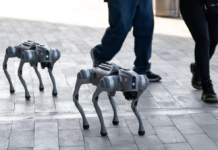
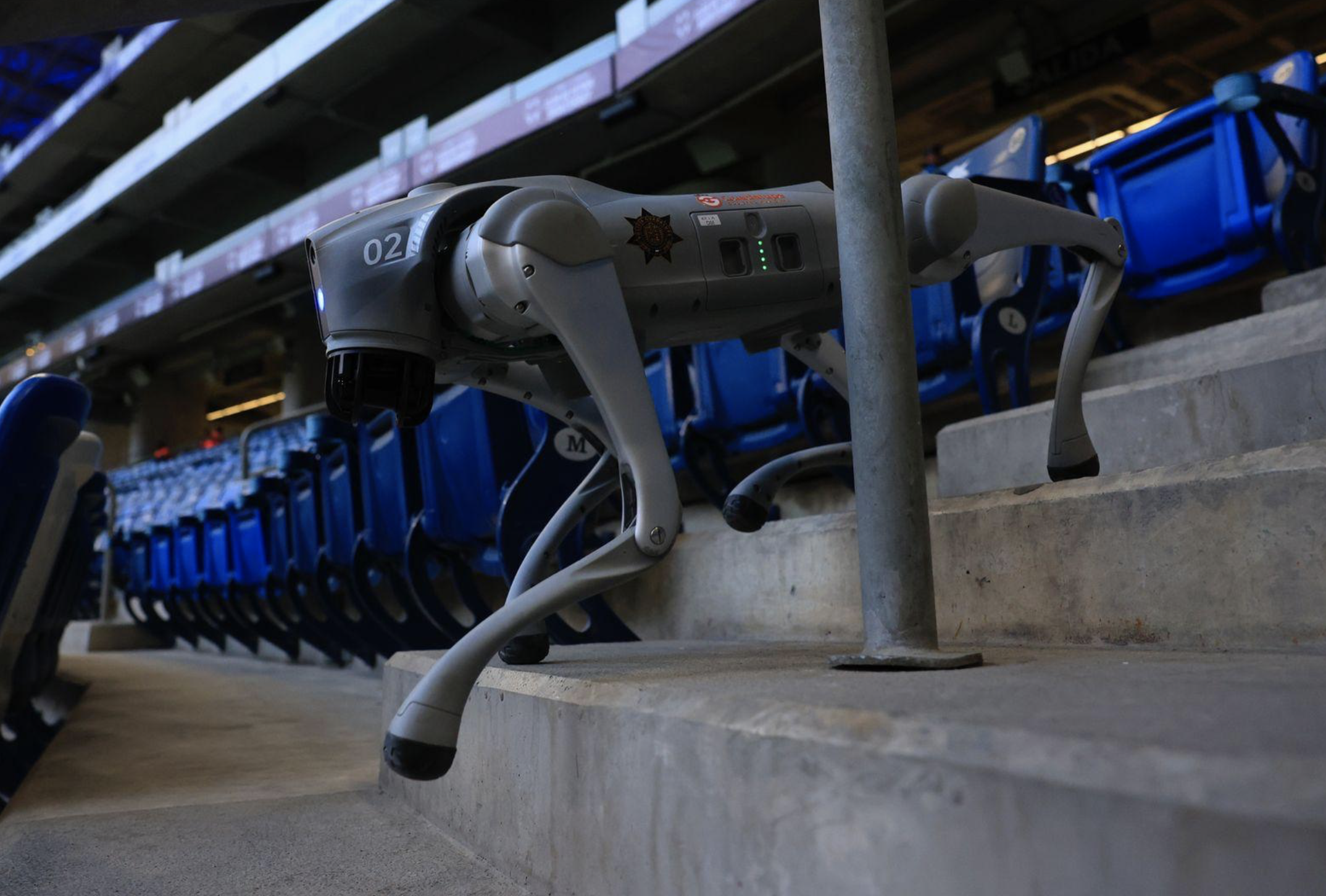
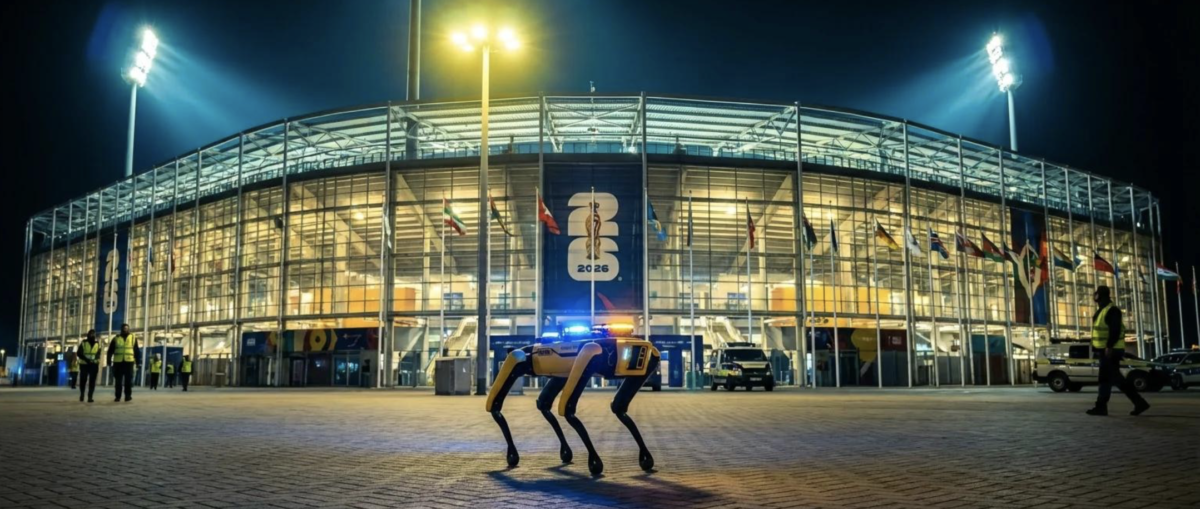
The roar of tens of thousands of football fans fills the air as another match kicks off at the 2026 FIFA World Cup. Flags wave, chants echo, and the passion of the beautiful game unites people from around the globe. But amid the excitement, a silent, four-legged figure moves through the shadows outside the stadium — a robotic dog named Spot, equipped with advanced sensors, scanning perimeters, detecting anomalies, and relaying real-time data to human security teams.
This isn’t a scene from a dystopian movie. In 2026, robot dogs are actively deployed at select 2026 World Cup venues across the United States and Mexico, marking one of the most high-profile uses of AI-powered robotics for large-scale event security in history.
As a dog lover and owner, the irony isn’t lost on me: mechanical “dogs” patrolling the world’s biggest sporting event while our real canine companions wait at home. Could these robot dogs eventually replace human security personnel? Or are they simply powerful tools that enhance what humans do best? Let’s dive deep into this fascinating intersection of technology, security, and the 2026 FIFA World Cup.
The Rise of Robotic Security Dogs
Robotic dogs, led by Boston Dynamics’ Spot (now under Hyundai ownership), have evolved from research curiosities to practical security assets. These quadruped machines combine remarkable mobility with cutting-edge sensors.
Typical capabilities include:
- 360-degree high-resolution cameras and thermal imaging for day/night operation.
- AI-powered object detection that identifies suspicious packages, unusual crowd behavior, or potential hazards.
- Autonomous navigation through stairs, rough terrain, and crowded environments where wheeled robots fail.
- Real-time data streaming to command centers, allowing remote operators to assess situations without putting humans at risk.
- Payload options such as arms for opening doors or manipulating objects in some configurations.
Boston Dynamics’ Spot robots have been used in industrial inspections, public safety response, and hazardous environments for years. Now, they’re stepping onto the global stage at the World Cup.
In Monterrey, Mexico, robotic dogs patrol streets around stadiums, feeding footage to central command centers. In the U.S., four Spot robots assist at key sites like the International Broadcast Center in Dallas and MetLife Stadium in New Jersey. They focus on perimeter security, inspecting suspicious packages, and supporting asset protection.
Why the 2026 World Cup Is the Perfect Testing Ground
The 2026 tournament is the largest in FIFA history — 48 teams, 104 matches, hosted across 16 cities in the United States, Canada, and Mexico. Millions of international fans will converge, creating unprecedented security challenges: crowd management, terrorism prevention, human trafficking risks, and emergency response across vast venues.
Traditional security relies heavily on human officers and fixed cameras. But humans get tired, distracted, or limited by physical access. Robot dogs offer tireless operation, consistent performance, and the ability to enter dangerous or confined areas first.
For example, a robotic dog can investigate a suspicious backpack left near a fan zone without risking an officer’s life. It can patrol remote perimeters during overnight hours or navigate tight spaces behind broadcast equipment. In Mexico, authorities have emphasized using them to protect officers during initial interventions in potential conflicts.
Real-World Deployments at the 2026 World Cup
- United States: Spot robots at AT&T Stadium area, Dallas International Broadcast Center, and MetLife Stadium. They assist with perimeter inspections and hazardous material checks.
- Mexico: Multiple K9-X style robotic dogs deployed around venues in Monterrey and other host cities for street-level patrolling and rapid response support.
These deployments are part of a broader high-tech security umbrella that includes AI cameras, drones, and inter-agency coordination — one of the most sophisticated operations ever assembled for a sporting event.
The Strengths of Robot Dogs in Security
- Endurance and Consistency — Robots don’t need breaks, shifts, or coffee. They maintain vigilance 24/7.
- Access to High-Risk Areas — They can go where humans hesitate — unstable structures, potential explosive zones, or dense crowds.
- Data Collection — Constant sensor input feeds into AI systems that predict crowd surges or detect anomalies faster than human observers.
- Cost Efficiency Over Time — While expensive upfront, they reduce overtime costs and potential injuries to personnel.
- Deterrence Factor — Their presence alone can discourage opportunistic crime, much like real guard dogs.
Limitations: Why Robots Can’t Fully Replace Humans
Despite impressive capabilities, robot dogs have clear boundaries:
- Lack of Human Judgment — A robot can detect a suspicious item but struggles with context. Is it a forgotten bag or something more sinister? Human officers excel at de-escalation, reading body language, and empathetic communication with fans.
- Vulnerability to Interference — Robots can be jammed, hacked, or physically attacked (though public incidents so far have been rare).
- Ethical and Privacy Concerns — Heavy surveillance raises questions about data usage, facial recognition rumors (denied by organizers and Boston Dynamics), and overreach.
- Technical Limitations — Battery life, weather resilience in extreme summer heat, and navigation in highly dynamic crowds still require human oversight.
- Public Perception — Some fans find them “creepy,” while others see them as cool innovations. Acceptance varies widely.
The consensus among experts is clear: the future is human + robot collaboration, not full replacement. Robots handle repetitive, dangerous, or data-heavy tasks, freeing officers for higher-level decision-making and public interaction.
What This Means for Everyday Dog Owners
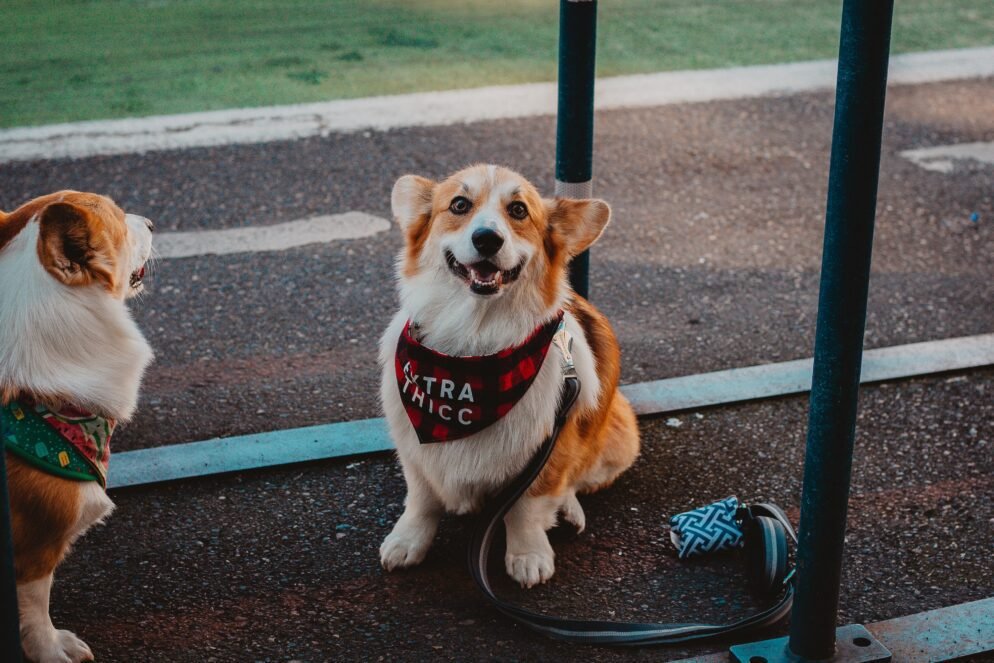
As dog parents, this development raises interesting parallels. Real dogs have served in security and detection roles for centuries thanks to their senses and loyalty. Robot dogs mimic some of that agility and “always-on” presence but lack the emotional intelligence and bonding that make living dogs irreplaceable companions.
If you’re attending the World Cup with your dog (or considering it), remember that real pets face their own challenges — heat, crowds, and restrictions. Robot dogs at venues underscore how technology is stepping in where biological limits exist. For those leaving dogs at home, investing in a reliable pet camera or GPS tracker provides similar “remote monitoring” peace of mind.
The Broader Future of AI in Event Security
The 2026 World Cup is a proving ground. Success here could accelerate adoption at other major events — Olympics, concerts, airports, and urban infrastructure. We may see more advanced versions with better autonomy, swarming capabilities, or integration with drone fleets.
However, regulations around AI ethics, accountability (who is liable if a robot misses a threat?), and job impacts on human security professionals will be critical conversations in the coming years.
5 Key Questions About Robot Dogs at the World Cup
1. Will robot dogs completely replace human security officers?
No. They augment teams by handling dangerous or monotonous tasks, but human judgment remains essential for complex situations.
2. Are the robots using facial recognition?
Officials and Boston Dynamics have stated that deployed Spot robots do not have facial recognition capabilities. They focus on physical threat detection.
3. How do robot dogs compare to real security dogs?
Real dogs offer unmatched scent detection and intuitive response. Robots provide tireless visual/thermal monitoring and data analytics. The best setups may eventually combine both.
4. What are the biggest risks of relying on this technology?
Cyber vulnerabilities, system failures during critical moments, and reduced human presence that could affect crowd rapport.
5. Can regular fans interact with or see these robot dogs?
In limited capacities near certain venues and broadcast centers, yes — but they primarily operate in restricted or perimeter areas.
Final Thoughts: Guardians of the Future
The 2026 World Cup won’t just be remembered for stunning goals and dramatic upsets. It may be remembered as the tournament where robots officially joined the security lineup — patrolling alongside humans to protect fans, players, and staff.
While robot dogs won’t fully replace human security anytime soon, they represent a powerful evolution in how we safeguard massive public events. The blend of human empathy and machine precision could set a new standard for safety at future global gatherings.
As dog owners, we can appreciate the innovation while remembering what our real dogs bring to the world: unconditional love, intuition, and companionship that no algorithm can replicate. Whether mechanical or biological, the best guardians work in partnership — with us.
What do you think about robot dogs at the World Cup? Exciting innovation or step toward over-surveillance? Have you seen them in action or attended a major event with heavy tech security? Share your thoughts in the comments — I read every one and often feature insightful reader experiences in future posts.
Security experts, trainers, tech enthusiasts, or fellow dog parents with opinions on this topic — I’m always open to high-quality guest posts exploring the future of pet safety, technology, and responsible ownership.
This article is for informational and discussion purposes. Security measures and technologies evolve rapidly — always refer to official FIFA and local authority updates for the latest information.