Last Updated on August 1, 2025 by Dogs Vets
Training sessions in tight spaces can still build big results.
Introduction
Training a dog in an apartment might sound like a challenge, but it’s entirely doable—and often easier than you think. With the right structure, patience, and space-smart techniques, your pup can thrive in your apartment lifestyle without disrupting the peace (or the neighbors).
Whether you’re housebreaking a puppy or polishing manners in a studio apartment, these 15 tips will help you build trust, reduce stress, and encourage good behavior in small spaces.
1. Start With Short, Focused Sessions
Big results don’t need big spaces. Begin with 5- to 10-minute training sessions that focus on one cue at a time. Short sessions help prevent overwhelm—for both of you.
2. Use Verbal Praise Generously
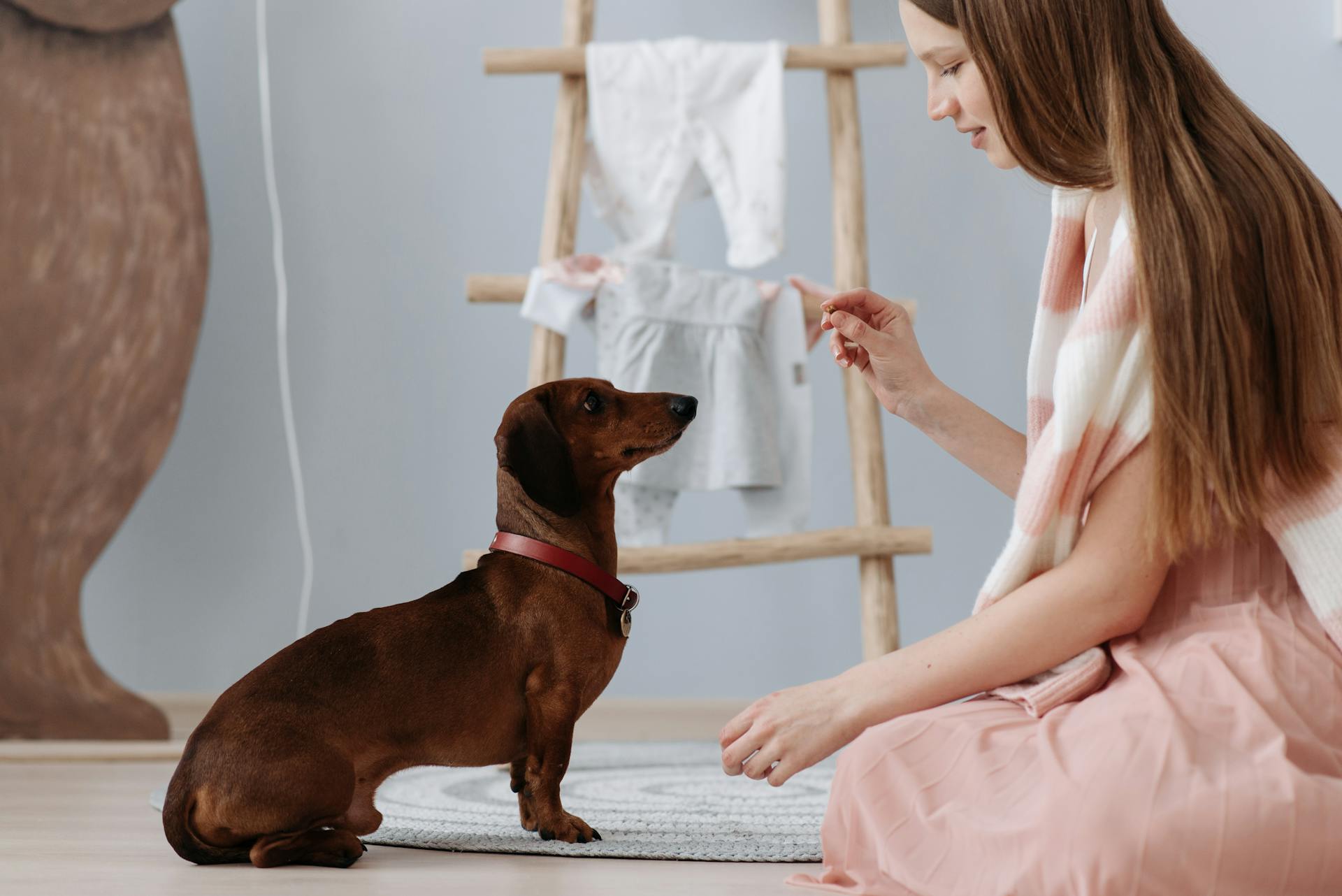
In apartments where space is tight and sound carries, quiet praise like “good dog” and soft tone rewards go a long way. This reinforces good behavior without escalating energy.
3. Pick a Designated “Training Spot”
Choose one low-distraction corner (like near your front door or kitchen mat) to act as your training zone. Familiarity builds focus and consistency, even in a small area.
4. Keep Treats Accessible (But Hidden)
Stock a small container of treats on a high shelf or inside a drawer near your door or common trouble zones. That way you can reinforce good behavior on the fly without fumbling.
5. Use Interactive Toys as Training Tools
Turn toys like tug ropes or treat-dispensing puzzles into part of your training routine. Use them as rewards to reinforce commands like “drop it” or “wait.”
6. Desensitize to Hallway and Door Sounds
Use quiet background sound or reward-based training to teach your dog to stay calm when they hear footsteps, doors closing, or elevators nearby. This helps prevent barking episodes.
7. Practice Leash Manners Indoors
Leash training doesn’t have to wait until you’re outside. Clip on the leash and practice “heel” or “let’s go” while walking from the kitchen to the bathroom and back.
8. Rotate Chew Toys to Prevent Boredom
Instead of having all toys out at once, rotate them weekly. New stimulation keeps your dog occupied and less likely to act out in confined areas.
9. Use Clicker Training for Precision
Clickers are quiet, clear, and ideal for marking good behavior indoors. If you don’t have one, a consistent sound like a pen click or short whistle can also work.
10. Keep a “Quiet Mat” in Every Room
Train your dog to settle on a specific mat, towel, or bed. This gives them a place to relax during Zoom calls, dinner, or downtime—without jumping on furniture.
11. Teach a Reliable “Place” Command
Teaching your dog to go to a specific place on command helps manage guest greetings, food time, and even deliveries. It’s an underrated tool in tight living spaces.
12. Use Gentle Crate Training at Night
A crate gives your dog a calm, predictable sleep space—even if your apartment is small. If done right, it can reduce anxiety and barking, especially overnight.
Check out this room-by-room pet safety guide: https://busypetparent.com/25-genius-pet-safety-tips-for-apartment-living-room-by-room-guide/
13. Teach Indoor-Friendly Commands First
Prioritize commands that matter most in a small home: “leave it,” “quiet,” “off,” “stay,” and “come” are essential for smooth co-living and preventing chaos.
14. Schedule Daily Mental Stimulation
Dogs in apartments need mental workouts just as much as physical ones. Teach new tricks, name their toys, or hide treats around the apartment for a scavenger hunt.
15. Don’t Skip the Walks—Even Short Ones Matter
Even a 10-minute stroll around the block can help burn energy and reinforce leash behavior. Apartment dogs thrive when walks are consistent and positive.
Explore this apartment living guide: https://busypetparent.com/the-ultimate-guide-to-apartment-living-with-pets-smart-tips-gear-and-solutions-for-every-room/
Final Thoughts
Living in an apartment doesn’t mean compromising on training—or your dog’s happiness. With small shifts in your daily routine, your pet can learn just as effectively as any backyard dog. The key is consistency, communication, and making the most of the space you share.
Training success starts with patience—and ends with a stronger bond between you and your four-legged roommate.