Last Updated on June 14, 2026 by Dogs Vets
The world’s biggest football tournament has arrived. Millions of fans flood the stands, nations battle for glory on the pitch, and cameras capture every dramatic goal, tearful celebration, and history-making moment. But behind the electric atmosphere of the 2026 FIFA World Cup, a quieter revolution is unfolding — not in the spotlight, but in the shadows around the stadiums.
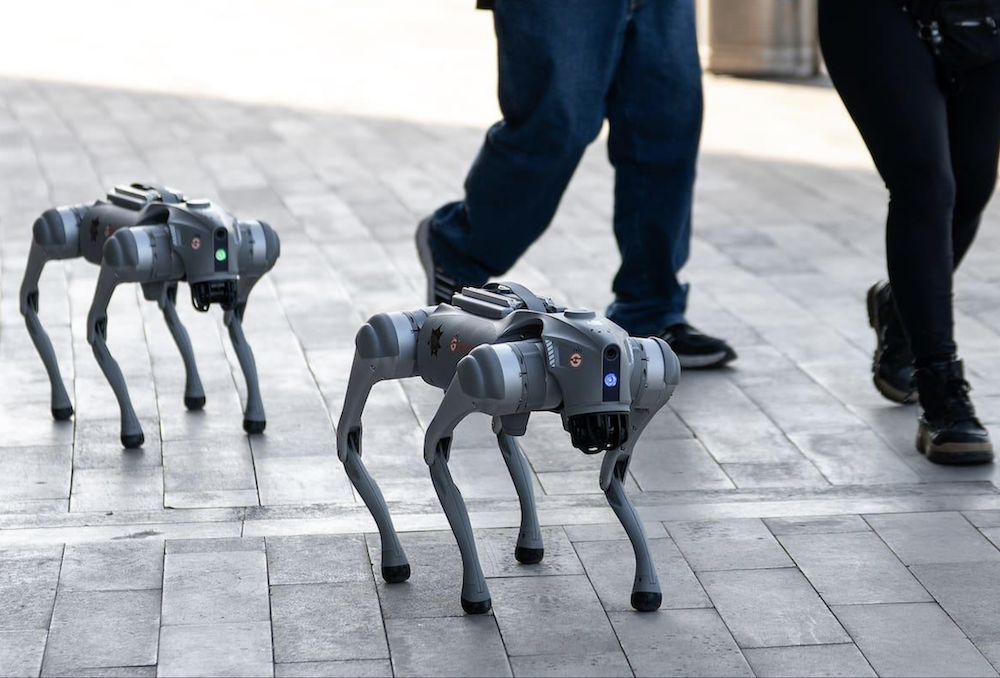
A new breed of guardians is on patrol: four-legged machines with no fur, no heartbeat, and no need for rest. These robot dogs — led by Boston Dynamics’ Spot — are being deployed at key 2026 World Cup venues, assisting human security teams in one of the largest and most technologically advanced sporting events in history.
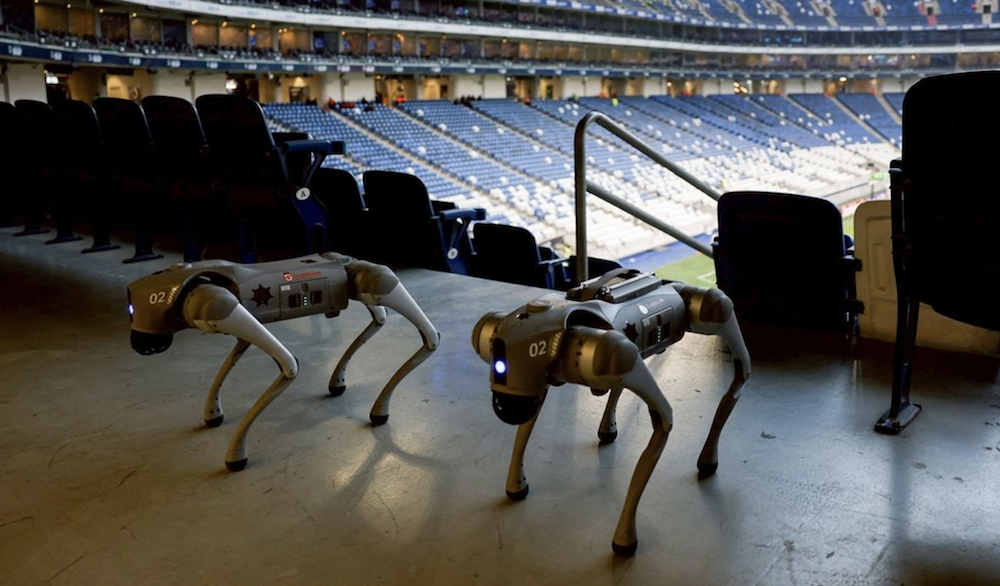
As a dog blog dedicated to real canine companions, the sight of mechanical “dogs” protecting the tournament raises fascinating questions. Could these robots one day reduce the need for living security dogs? Or are they simply tools that highlight how irreplaceable real dogs remain? Let’s explore the reality behind the headlines.
The New Security Dogs Have No Fur
For centuries, dogs have served as loyal protectors. Their keen senses, agility, and ability to detect danger made them indispensable for security and military work. Today, technology is creating a mechanical counterpart.
Boston Dynamics’ Spot (now owned by Hyundai) is the most prominent robotic dog. These quadruped machines combine impressive mobility with advanced sensors. They can climb stairs, navigate rough terrain, squeeze through tight spaces, and operate for extended periods without fatigue.
Key features of these robot dogs include:
- High-resolution 360-degree cameras and thermal imaging for day-and-night surveillance.
- AI-powered object detection to identify suspicious packages, unusual movements, or potential hazards.
- Autonomous navigation systems that allow them to patrol independently or under remote human control.
- Real-time data streaming to command centers, providing live footage and alerts.
- Rugged design built for challenging environments like crowded fan zones or backstage areas.
Unlike traditional fixed cameras, robot dogs can move proactively, investigate suspicious items, and cover ground that would be risky or exhausting for human officers.
Why the 2026 World Cup Is the Perfect Testing Ground
The 2026 FIFA World Cup is unprecedented in scale: 48 teams, 104 matches, and 16 host cities across the United States, Canada, and Mexico. Millions of international fans will travel, creating enormous security challenges — crowd management, terrorism prevention, human trafficking risks, and rapid emergency response.
Organizers need more than traditional methods. This is where robotic support shines. Four customized Spot robots are deployed at key locations:
- Two at the International Broadcast Center in Dallas.
- Two at MetLife Stadium in New Jersey (which hosts multiple high-profile matches).
They focus on perimeter security, asset protection, inspecting suspicious packages, and assisting with hazardous material checks — tasks that keep human officers safer.
Mexico is also deploying its own robotic units (including K9-X models) at select venues for rapid response and officer protection.
This deployment marks one of the most visible uses of robotics at a global sporting event, blending human teams with cutting-edge tech in real time.
Inside the Mission of a Robot Security Dog
A robot dog patrolling a World Cup venue isn’t there to entertain fans or replace the thrill of the match. Its mission is straightforward: observe, detect, and report.
They patrol restricted areas, entrances, perimeters, and large crowd-adjacent zones. Using AI, they analyze movement patterns, flag anomalies, and stream information instantly to human command centers. This allows security teams to respond faster and more precisely.
For example, if a suspicious backpack is left near a fan zone, a robot dog can approach and inspect it first, reducing risk to officers. They excel at repetitive perimeter walks during long tournament days when human fatigue sets in.
The Stadium of the Future: Humans + Machines
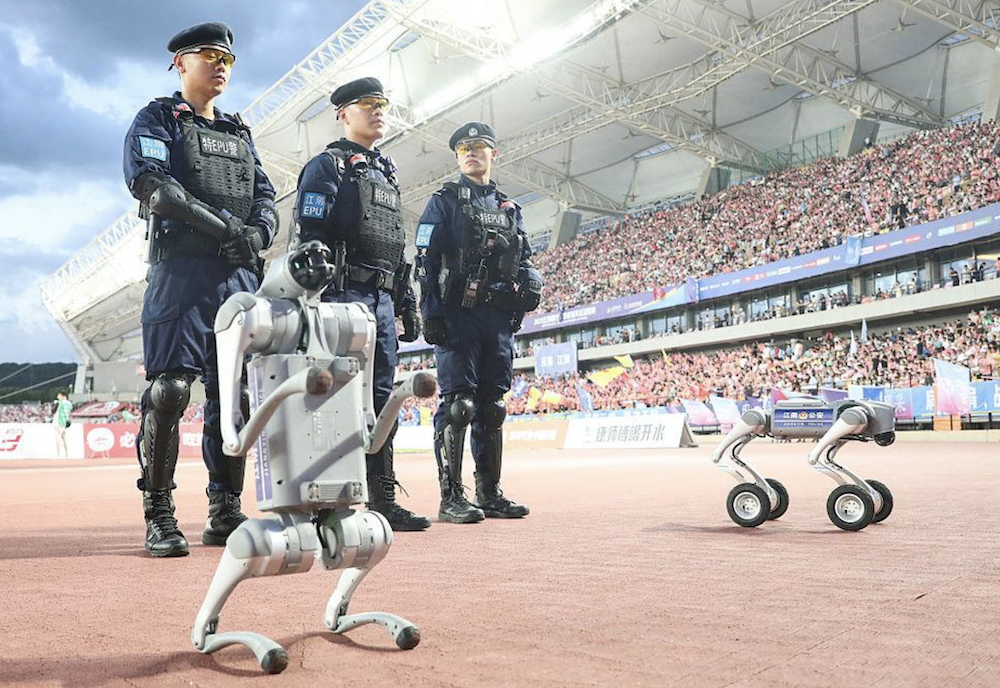
Walking toward a 2026 World Cup venue, fans might notice these robotic units quietly moving in the background. The overall security ecosystem includes:
- AI-powered cameras analyzing crowd flow.
- Drones providing aerial oversight.
- Robot dogs handling ground-level patrols.
- Human officers focusing on de-escalation, fan interaction, and complex decision-making.
This hybrid approach creates a “connected ecosystem” where technology handles dangerous or monotonous tasks, freeing people for roles requiring empathy and judgment. The stadium becomes more than a sports venue — it’s a smart, responsive environment.
Can Robots Replace Human (or Real Dog) Security?
The short answer is no — at least not yet, and probably not fully.
Strengths of Robot Dogs:
- Tireless operation (no shifts or fatigue).
- Ability to enter high-risk areas first.
- Consistent data collection and thermal vision in low light.
- Reduced risk to human personnel.
Limitations:
- Lack human judgment, emotional intelligence, and de-escalation skills.
- Vulnerable to technical failures, jamming, or cyberattacks.
- Raise privacy and ethical concerns (though FIFA and Boston Dynamics confirm no facial recognition is used).
- Public perception varies — some fans find them innovative, others “creepy.”
Real security dogs still offer unmatched scent detection and intuitive responses that machines can’t replicate. The best future is likely collaboration: robots for surveillance and data, humans (and sometimes real dogs) for nuanced situations.
What This Means for Dog Owners and Pet Lovers
As dog parents, this technology hits close to home. While robot dogs guard multimillion-dollar events, our real dogs provide companionship, emotional support, and joy that no machine can match.
If you’re traveling to the World Cup with your dog, remember the challenges we covered in previous articles (crowds, heat, restrictions). For those leaving pets at home, a good GPS tracker or pet camera offers similar “remote monitoring” peace of mind that these security robots provide on a larger scale.
This development also sparks conversation about the future role of working dogs. Could robots reduce demand for certain security K9 roles? Or will they create new opportunities where real dogs and robots work side by side?
5 Key Questions About Robot Dogs at the 2026 World Cup
1. Are robot dogs replacing human security officers?
No. They assist by handling dangerous or repetitive tasks, but human judgment remains essential.
2. Do these robots use facial recognition?
No. FIFA and Boston Dynamics have confirmed the deployed Spot robots do not have facial scanning capabilities. They focus on physical threat detection.
3. How do robot dogs compare to real security dogs?
Robots offer tireless visual/thermal monitoring and data analytics. Real dogs provide superior scent work and emotional intelligence. Hybrid teams may be ideal.
4. What are the biggest concerns?
Privacy, potential job impacts, technical reliability during critical moments, and public acceptance.
5. Will we see more robot dogs at future events?
Likely yes. Successful deployment at the World Cup could accelerate adoption at Olympics, concerts, and other large gatherings.
The Beginning of a New Era?
The 2026 FIFA World Cup will be remembered for legendary matches, breakout stars, and unforgettable moments on the pitch. But off the field, it may also mark a milestone: the moment robots stepped prominently into global event security.
Robot dogs aren’t here to steal the show — they’re here to help protect it. As technology advances, the question isn’t whether machines will play a bigger role, but how we balance innovation with humanity, privacy, and the unique qualities that real dogs bring to our lives.
At the end of the day, no robot can wag its tail, offer unconditional love, or curl up beside you after a long day. That’s a job reserved for the real thing.
What do you think about robot dogs at the World Cup? Exciting tech or concerning development? Have you seen them in videos or at other events? Share your thoughts in the comments — I read every one and often feature insightful reader opinions in future posts.
Security professionals, tech enthusiasts, trainers, or fellow dog lovers — I’m always open to quality guest posts on the future of working dogs, pet safety technology, or responsible ownership. Reach out!
This article is for informational and discussion purposes. Security technologies and deployments evolve quickly — refer to official FIFA and local authority sources for the latest updates.