Last Updated on September 23, 2025 by Dogs Vets
If you’ve ever tried to give your pet medication prescribed by animal hospital VA Beach, you already know—it can feel like a battle of wits. One moment, you’re standing with a pill in your hand, feeling confident, and the next, your dog or cat has magically spat it out across the room. Some pets become expert “pill detectives,” somehow managing to eat around the hidden tablet tucked into cheese or peanut butter. Others will clamp their jaws tighter than a vault.
Sound familiar? You’re not alone. Managing pet medications is one of the most common struggles pet parents face. And here’s the thing—it’s not just about convenience. When doses are missed, given incorrectly, or stopped too soon, your pet’s health can suffer. Medications only work if they’re taken properly.
So, let’s break this down together—step by step. I’ll walk you through practical tips for giving pills and liquids, tricks for sneaky pets, safety pointers, and some reassuring words straight from veterinarians who see this struggle every day.
Why Medication Management Matters More Than You Think
Giving your pet medicine isn’t just about following the vet’s instructions—it’s about consistency and accuracy. Missing even a single dose (depending on the medication) can mean the difference between recovery and relapse.
Think about antibiotics. Stop them early, and the infection can come roaring back stronger. Pain medication? Miss a dose, and your pet may suffer needlessly. Long-term meds for conditions like diabetes, thyroid disease, or heart issues? Those need regularity to keep your pet stable.
One vet I spoke with put it simply: “Imagine if you had high blood pressure and just skipped your pills whenever they felt inconvenient. That’s what happens when pets don’t get their medications consistently—it puts their whole system out of balance.”
So, yes, it’s frustrating. Yes, it takes patience. But it’s worth the effort.
Pills: Tricks of the Trade
Let’s start with the most notorious challenge—pills. Dogs and cats both have their quirks, but there are tried-and-true tricks that work for many pet parents.
1. Hide It in Food (But Do It Smart)
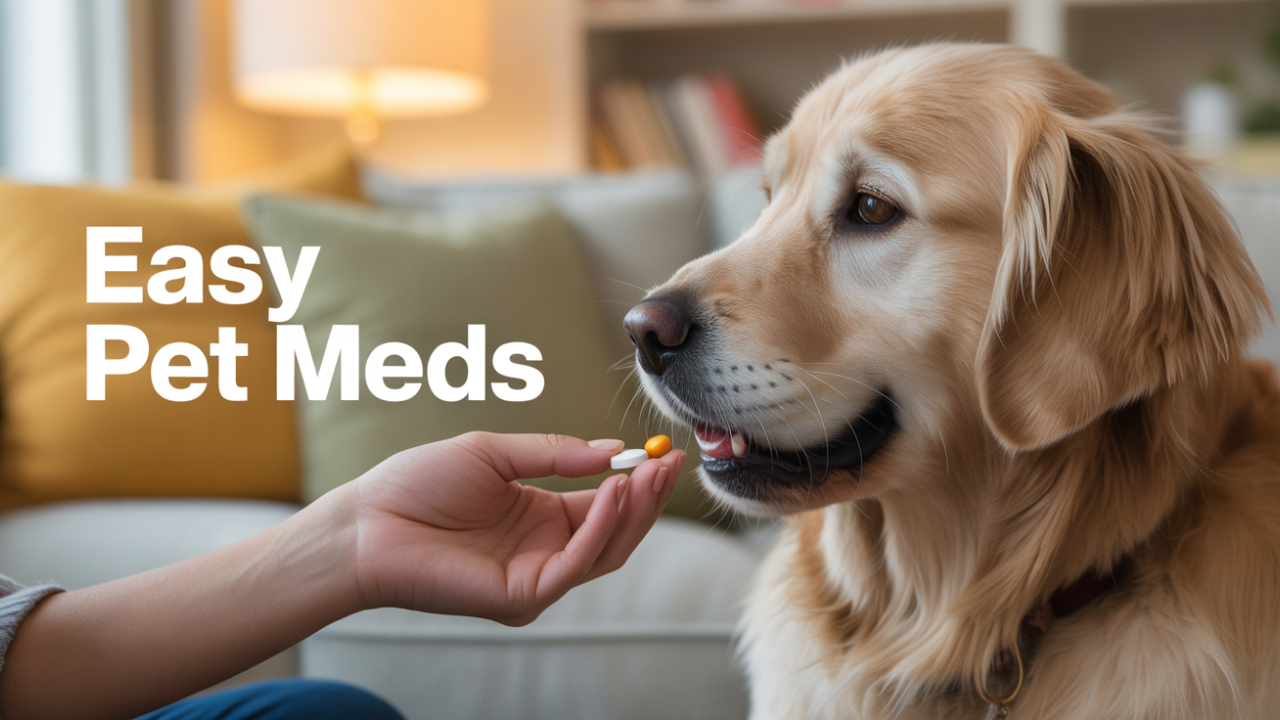
- Peanut butter, cheese, canned food, or pill pockets can make pills much easier.
- The trick? Give a “clean bite” first (something tasty with no pill), then the “loaded bite,” followed by another clean one. Pets are less suspicious that way.
- Some pills taste bitter if they dissolve even slightly, so choose a sticky, strong-flavored cover.
2. The Pill Popper (Yes, It’s a Thing)
A “pill gun” or popper lets you place the pill far back in your pet’s throat without risking your fingers. Quick, clean, and often effective—especially for cats who can be, well, less than cooperative.
3. Manual Pill Giving (Last Resort but Works)
For pets who just won’t be tricked, there’s the hands-on approach:
- Gently tilt your pet’s head upward.
- Open their mouth by pressing gently at the hinge of the jaw.
- Place the pill as far back on the tongue as possible.
- Close the mouth, hold it shut briefly, and stroke the throat or blow gently on their nose to encourage swallowing.
It’s not glamorous, but sometimes it’s the only way. Pro tip: follow up immediately with a small treat or sip of water so the pill goes down easier.
Liquids: Easier or Messier?
Liquid medications are often prescribed for young pets, small dogs, or cats. Some pets take them more easily than pills, but others will shake their head, spit, or dribble half of it out.
Here’s how to make it smoother:
- Use a Syringe (Without a Needle)
Your vet usually provides one. Slip it gently into the side of your pet’s mouth, between the teeth and cheek, rather than trying to go straight down the throat. - Go Slow
Squirt small amounts at a time so your pet has a chance to swallow. Dumping the whole dose in at once is a surefire way to get it sprayed back in your face. - Reward, Reward, Reward
Even a small bit of chicken, tuna, or their favorite treat afterward helps your pet form a positive connection.
One of my favorite pet hospital Virginia Beach vet tips is: “Don’t turn medication into a punishment. If your pet dreads it, they’ll fight harder every time. Keep it calm, keep it quick, and follow it up with something they love.”
Common Mistakes to Avoid
Even the most loving pet parents slip up sometimes. Here are some pitfalls to steer clear of:
- Crushing pills without asking your vet. Some medications lose effectiveness or become dangerous if crushed.
- Mixing meds with a full meal before checking. Some meds need an empty stomach, others don’t. Always check your instructions.
- Skipping doses when it seems “optional.” If your pet seems fine, don’t assume the medicine isn’t needed.
- Switching foods or treats for hiding pills too often. Pets catch on. Stick to one method that works.
Tips & Tricks
Stay calm.
Pets sense stress, and if you’re tense, they’ll be tense.
- Practice touch training. Handle your pet’s mouth gently outside of medication times so they get used to it.
- Use a second set of hands. Sometimes having a family member hold your pet makes it much easier.
- Ask your vet about alternatives. Some meds come in chewables, flavored liquids, or even long-lasting injections. Don’t be afraid to ask!
FAQs
Q1: Can I hide all medications in food?
Not always. Some need an empty stomach or don’t mix well with food. Always confirm with your vet first.
Q2: My cat spits out everything. What do I do?
Talk to your vet about compounding pharmacies. They can turn pills into flavored liquids (think chicken or tuna flavor) that might be easier.
Q3: Is it dangerous if I accidentally give too much?
Yes—it can be. If you ever double-dose by mistake, call your vet right away. Some medications are safe with a small overdose, others are not.
Q4: My dog hides when I grab the pill bottle. Help?
Try changing the routine. Don’t let them associate the sound of the bottle with meds. Prepare it quietly, and mix it into a calm part of your day.
Q5: Are there long-term solutions for chronic meds?
Yes! Some heartworm preventives, flea meds, or allergy meds come as long-lasting injections or tasty monthly chews. Ask your vet what’s available.
Final Thoughts
At the end of the day, giving pets their medication isn’t about perfection—it’s about persistence. You’ll have days when the pill lands on the floor, the liquid dribbles everywhere, or your cat gives you a death stare that could melt steel. But over time, you’ll find your rhythm, your pet will adapt, and the process will become just another part of your daily routine.
Remember: every pill swallowed, every dose given, is an act of love. Your pet may not realize it in the moment, but their healthier, happier life is proof of just how much it matters.
So take a deep breath, grab that pill (and maybe a chunk of cheese), and know—you’ve got this.