Last Updated on June 28, 2026 by Dogs Vets
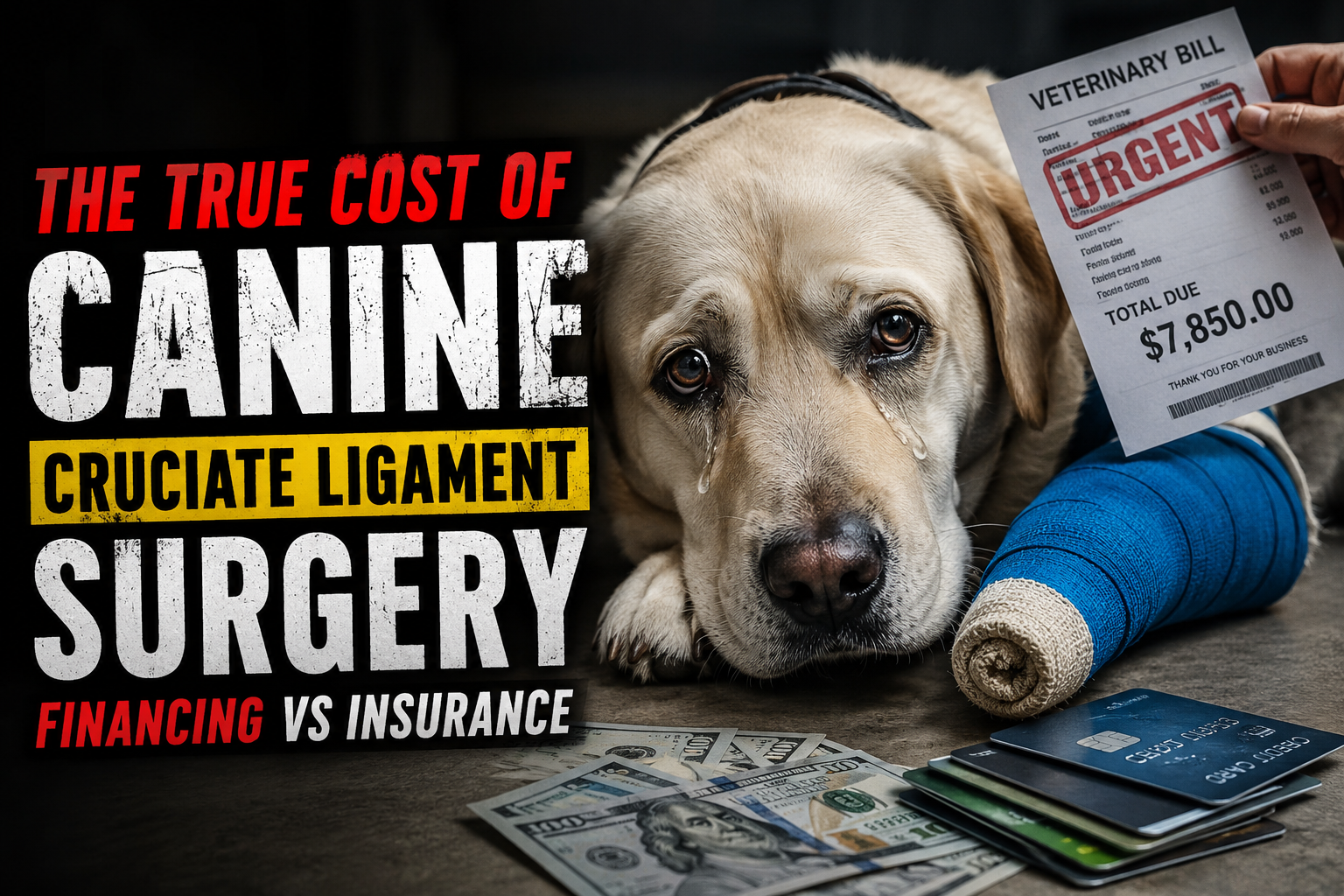
For many dog owners, a diagnosis of a cranial cruciate ligament (CCL) tear—often called the “ACL of dogs”—feels like a gut punch. This common orthopedic injury, affecting hundreds of thousands of dogs annually in North America, can sideline active pups and lead to steep veterinary bills. Whether your energetic Labrador Retriever blew out a knee chasing a ball or your senior Golden developed gradual instability, the path to recovery involves surgery, rehabilitation, and months of careful management.
Understanding the true financial picture—including the pros and cons of pet insurance versus financing options—is crucial for making informed decisions that prioritize both your dog’s health and your family’s stability. This Nat Geo Wild-style exploration dives into the real costs, treatment realities, and smart financial strategies for CCL surgery in 2026.
Why CCL Injuries Are So Common—and Costly
The cranial cruciate ligament stabilizes a dog’s knee (stifle) joint. Tears or ruptures occur through trauma or degenerative changes, particularly in large breeds, overweight dogs, or those with conformational issues. According to veterinary data, CCL injuries represent one of the top orthopedic issues in dogs, with estimates suggesting over 500,000 cases treated yearly in the U.S. alone. Breeds like Labradors, Rottweilers, and Bulldogs are at higher risk.
Without intervention, untreated tears lead to arthritis, chronic pain, and reduced mobility. Surgery is the gold standard for most cases, restoring stability and function.
Average Costs in 2026 (U.S. figures; vary by location and severity):
- Diagnostic Imaging & Pre-Surgical Workup: $500–$1,500 (X-rays, possible MRI).
- Surgery (TPLO or similar): $3,500–$7,000+ per knee (most common technique).
- Post-Op Care & Rehab: $1,000–$3,000 (medications, physical therapy, follow-ups).
- Total for One Knee: $5,000–$12,000.
- Bilateral (Both Knees): Often $8,000–$20,000+.
These figures align with reports from veterinary associations and insurance providers, where CCL procedures rank among the highest-claimed conditions.
Treatment Options: Surgery Isn’t One-Size-Fits-All
TPLO (Tibial Plateau Leveling Osteotomy): The most recommended for larger dogs. It changes the knee’s biomechanics for stability. High success rate (90%+ return to function).
Lateral Suture: Less invasive, suitable for smaller dogs. Lower cost but potentially higher long-term complications.
Conservative Management: Bracing and rest for mild cases or high-risk patients, but less effective long-term.
Rehabilitation—hydrotherapy, laser therapy, controlled exercise—is key to success regardless of method.
Financing vs. Insurance: Weighing the Real Costs
Pet Insurance
Many policies cover CCL surgery as an accident/illness if not pre-existing.
- Pros: Covers 70–90% after deductible. Some (e.g., AKC, Embrace) have provisions for curable pre-existing after waiting periods. Wellness add-ons help with rehab.
- Cons: Waiting periods (14–30 days accidents, 6–12 months orthopedic). Pre-existing exclusions common. Premiums rise with age/breed.
- Average Reimbursement: $3,000–$8,000 per claim after deductible.
- Best For: Young, healthy dogs enrolled early. Look for policies without bilateral exclusions.
Financing Options
Veterinary payment plans (e.g., CareCredit), personal loans, or 0% intro credit cards.
- Pros: Immediate access without waiting. Flexible terms.
- Cons: Interest rates (15–30%+ after promo). Adds to total cost. Requires good credit.
- Average Out-of-Pocket with Financing: Full procedure cost plus interest ($1,000–$4,000 extra over time).
Real-World Math Example (One Knee TPLO at $6,000):
- Insurance (80% reimbursement, $500 deductible, $50/month premium): Net cost ~$1,700 + premiums paid.
- Financing (0% for 12 months, then 25% interest): ~$6,000 + $750 interest if not paid off quickly.
Insurance often wins long-term if multiple issues arise, but financing provides flexibility for acute needs.
Beyond the Bills: Hidden Costs and Savings Strategies
- Rehab & Follow-Up: 8–12 weeks of restricted activity; physical therapy sessions add up.
- Complications: Infection or implant issues (~5–10% cases) increase costs 20–50%.
- Prevention: Weight management, joint supplements, and conditioning reduce risk.
Tips to Manage Costs:
- Shop quotes from multiple clinics—specialists vs. general practice can differ by $2,000+.
- Pet insurance early (before age 6–8 for best rates).
- Crowdfunding or charity care for rescues/seniors.
- Savings accounts dedicated to pet health.
The Emotional and Long-Term Payoff
Successful CCL surgery restores 80–95% function for most dogs, allowing years of active life. Owners report immense relief watching their pets run pain-free again. The investment—financial and emotional—pays dividends in quality time.
For World Cup fans traveling with dogs or managing chronic issues at home, planning ahead with insurance or financing ensures care doesn’t derail adventures or family life.
At dogsvets.com, we’re committed to helping owners navigate these tough decisions. Consult your vet for personalized plans. Share your CCL journey in the comments.
7 Most Asked Questions About Canine CCL Surgery Costs
1. How much does CCL surgery typically cost in 2026?
One knee averages $5,000–$12,000 including diagnostics, surgery (e.g., TPLO), and initial rehab. Bilateral cases often double that. Costs vary by location, dog size, and clinic—specialist hospitals charge more but offer advanced techniques.
2. Does pet insurance cover CCL tears?
Yes, if the condition isn’t pre-existing and waiting periods (often 6–12 months for orthopedic) are satisfied. Providers like AKC, ASPCA, and Embrace reimburse 70–90% after deductible. Review policies for bilateral exclusions.
3. What is the difference between financing and insurance for CCL surgery?
Insurance spreads risk over time with premiums but has waiting periods and exclusions. Financing (CareCredit, loans) offers immediate funds but can accrue high interest. Insurance is better for long-term coverage; financing suits urgent, uninsured cases.
4. Can I avoid surgery with conservative management?
Mild cases in small dogs may respond to bracing, weight loss, and physical therapy, but success rates are lower (50–60%) and arthritis often develops. Surgery is recommended for active or large dogs for best outcomes.
5. Are there hidden costs after CCL surgery?
Yes—rehab ($1,000–$3,000), pain meds, follow-up X-rays, and potential complications. Budget for 3–6 months of restricted activity and possible physical therapy sessions.
6. When should I get pet insurance to cover potential CCL surgery?
As early as possible, ideally as a puppy before any signs of joint issues. Orthopedic waiting periods make late enrollment risky for breeds prone to CCL tears.
7. What financing options exist if I don’t have insurance?
CareCredit offers 0% interest promo periods. Some clinics provide in-house plans. Personal loans or credit cards work but compare APRs. Crowdfunding (GoFundMe) or vet charity programs help in tough situations.
References & Further Reading
- NerdWallet & industry reports on CCL costs (2026 averages).
- Veterinary sources on TPLO success rates and rehab.
- Pet insurance comparisons (AKC, Embrace for orthopedic coverage).