Last Updated on July 7, 2025 by Dogs Vets
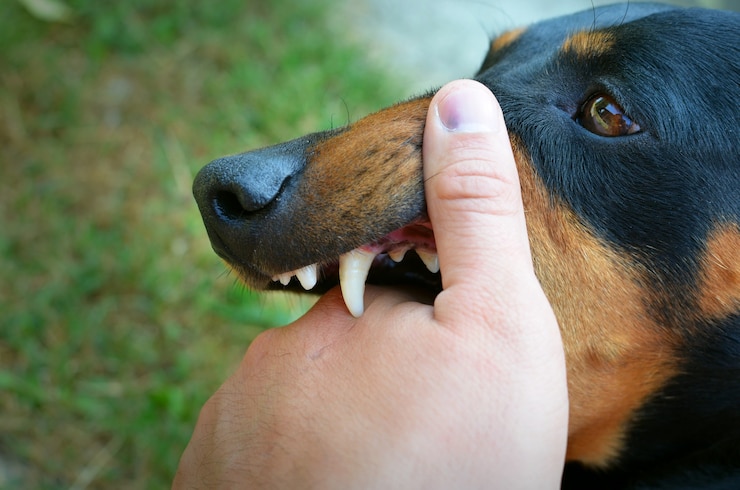
Around 4.5 million people in the U.S. are bitten by dogs yearly. Some of these attacks lead to serious injuries, infections, and even long-term trauma. It’s not just about the physical pain—what we do next can impact our health and legal options.
Injuries from a dog attack can lead to expensive medical bills and lost income. That’s why it’s critical to understand your rights when seeking compensation in a dog bite case. Acting quickly protects both your well-being and any potential legal claims.
Immediate Medical Attention
Dog bites can cause serious damage even when they don’t look bad at first. We need to act fast to prevent complications. First, check the depth of the wound. Is it just a scratch, or does it look deep enough to need stitches?
Run clean water over the bite right away. Use mild soap to gently wash out germs that could cause infection. Press firmly with a clean cloth for bleeding wounds until the bleeding stops.
Some situations need emergency care immediately:
- Puncture wounds or torn skin
- Bites on the face or hands
- Any signs of infection (red streaks, pus, or swelling)
- If you can see bone or muscle
Ask about your tetanus shot status if you haven’t had one in the last 5 years. The doctor will also assess whether you need rabies treatment, though this is rare with pet dogs. Remember, even minor bites can become serious if not treated properly.
Document the Incident for Legal Purposes
Proper documentation of the dog attack is crucial for any potential legal claim. Start by identifying the dog’s owner and gathering their contact and insurance information. If the owner is unavailable, try to locate the dog’s tag or microchip information and note the dog’s appearance.
Photographs of your injuries, the location of the attack, and the dog (if safe to do so) will serve as valuable evidence. If there were any witnesses to the attack, gather their contact details and ask them to provide statements describing what they saw.
Be sure to report the incident to animal control or local authorities, as an official record of the attack will support your case. Having this documentation on hand can strengthen any legal claim you might pursue, helping ensure you receive proper compensation for your injuries.
Understanding Your Legal Rights
After a dog attack, understanding your legal rights is essential for pursuing compensation. Dog bite laws vary depending on where you live. Some states follow the “one-bite rule,” meaning the owner is liable only if the dog has bitten someone. Others follow strict liability laws, where the owner is responsible regardless of the dog’s prior behavior.
For instance, states like Arizona operate under strict liability dog bite statutes, which significantly simplify the legal process for victims. This means that dog owners in Arizona are held accountable for injuries their dogs cause, regardless of the dog’s past behavior or any perceived provocation, as long as the victim was in a public place or lawfully on private property. Such laws are designed to protect victims and ensure they can pursue compensation for serious injuries, medical bills, and other damages without needing to prove the owner’s prior knowledge of aggression. Understanding these specific state laws is crucial for victims seeking justice and recovery, and you can learn more about Arizona’s approach here.
If you’re injured, you may be entitled to compensation for medical bills, lost wages, pain, and suffering. It’s important to file a claim with the dog owner’s homeowner’s insurance, as many policies cover dog bite incidents.
If you have severe injuries or your claim is denied, it may be time to consult a personal injury attorney. They can help navigate the complexities of the law, ensuring you receive the compensation you’re entitled to. A lawyer’s guidance is especially useful if the owner is uncooperative or the insurance company offers an unfair settlement.
Long-Term Steps for Recovery and Resolution
Healing from a dog attack often continues long after the initial treatment. Follow-up care is crucial—return for stitch removal, finish all antibiotics, and attend physical therapy if needed.
Keep detailed records of every medical bill, prescription, and missed workday. These documents prove your losses if you pursue compensation. Don’t forget to save receipts for items like bandages or travel to appointments.
The emotional impact can linger. Consider therapy if you develop a fear of dogs, nightmares, or avoid going outside. Many victims benefit from short-term counseling.
Finally, follow up with animal control about the dog’s status. Was it quarantined? Did it have current rabies shots? This information could affect your health decisions and legal case. Healing takes time, but tracking these details helps protect your future.