Last Updated on December 5, 2025 by Dogs Vets
By Dr. Elena Rivera, DVM | National Geographic | December 6, 2025
In the wild rhythms of nature, a female dog’s reproductive journey mirrors the cycles of the untamed world—instinctual, resilient, and profoundly connected to the pulse of life. From the subtle signals of her first heat to the miraculous swell of pregnancy, understanding these phases empowers pet parents to support their companions with compassion and precision. Whether you’re navigating your dog’s first heat cycle or preparing for a litter, this comprehensive guide draws on the latest veterinary insights for 2025 to answer your most pressing questions: How long are dogs pregnant? What are the telltale dog in heat symptoms? And how can you manage the dog heat cycle without stress?
As climate shifts and urban living alter canine behaviors, today’s dogs may experience more frequent heats or subtle health variations influenced by environmental factors. Armed with this knowledge, you’ll foster a safer, healthier path for your furry family member—honoring the ancient bond between humans and canines that has spanned millennia.
Understanding the Dog Heat Cycle: A Natural Rhythm
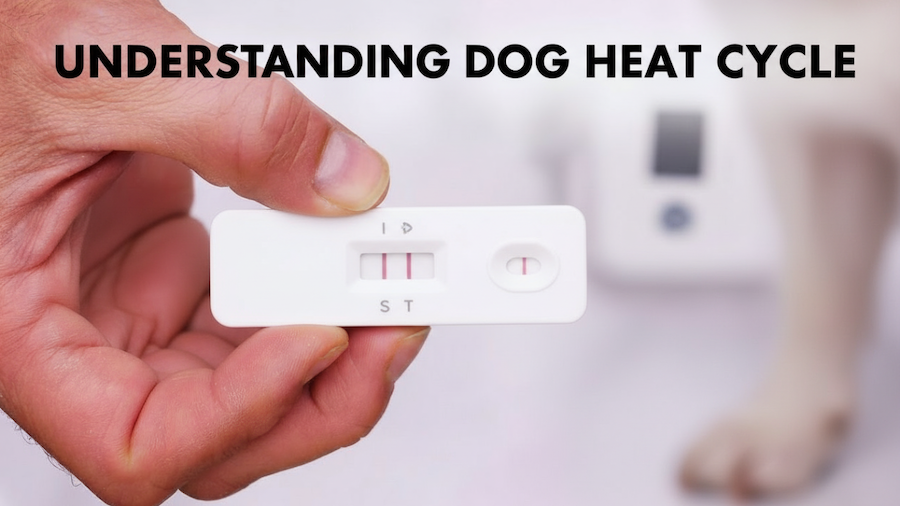
The canine heat cycle, or estrous cycle, is the cornerstone of a female dog’s reproductive life. Unlike human menstruation, it’s not a monthly event but a biannual symphony of hormones that prepares her body for potential motherhood. Most unspayed females enter heat twice a year, though smaller breeds like Chihuahuas may cycle every four months, while giants like Great Danes wait up to eight. The full cycle spans about six to eight months, but the visible “heat” phase—when she’s fertile and attracting suitors—lasts just 12 to 21 days.
The Four Stages of the Dog Heat Cycle
Think of the heat cycle as a four-act play, each stage marked by hormonal shifts, physical cues, and behavioral tells. Here’s a breakdown:
| Stage | Duration | Key Symptoms | Fertility Status |
|---|---|---|---|
| Proestrus (Preparation) | 3–17 days (avg. 9) | Vulva swells; bloody vaginal discharge; increased urination; clingy or irritable behavior. Males take notice, but she’s not receptive yet. | Not fertile; eggs maturing. |
| Estrus (Fertile Heat) | 3–21 days (avg. 9) | Discharge lightens to straw-colored; vulva softens; she “flags” her tail and accepts mating; heightened energy or restlessness. | Peak fertility (days 9–14 from start); ovulation occurs around day 2 of this phase. |
| Diestrus (Post-Heat) | 60–90 days | Vulva shrinks; discharge stops; possible false pregnancy signs like nesting or milk production if no conception. | If pregnant, gestation begins; otherwise, hormone levels drop. |
| Anestrus (Rest) | 4–6 months | No symptoms; normal behavior resumes. Body recovers for next cycle. | Inactive; low hormones. |
Pro Tip: Track her cycle with a simple app or calendar—mark the first day of bloody discharge as Day 1. For 2025, vets recommend at-home progesterone kits (around $50) for precise ovulation timing if breeding is planned.
Common Dog in Heat Symptoms: What to Watch For
Spotting dog in heat symptoms early can prevent unwanted litters and ease discomfort. Beyond discharge and swelling, look for:
- Behavioral Shifts: Excessive licking of the vulva, restlessness, or sudden affection-seeking. She might escape fences to find mates—up to 20% of unspayed dogs experience “heat-induced wanderlust.”
- Physical Clues: A puffy, turgid vulva (like a ripe peach) and a musky scent that drives neighborhood males wild.
- Health Red Flags: Heavy bleeding, fever, or lethargy could signal pyometra (a uterine infection)—a life-threatening emergency costing $500–$1,500 to treat.
In 2025, with rising awareness of endocrine disruptors in urban environments (like plastics), some dogs show irregular cycles. Consult your vet if heats arrive more than three times yearly.
From Heat to Womb: How Conception Happens
Conception typically occurs during estrus, when sperm meets egg in the oviducts. If breeding happens, fertilized eggs implant in the uterus around day 18. But unplanned pregnancies are common—over 2 million shelter puppies stem from accidental heats annually. Spaying remains the gold standard for prevention, reducing mammary cancer risk by 99% if done before the first heat.
Dog Pregnancy Timeline: Week by Week Wonders
So, how long are dogs pregnant? The average canine gestation is 63 days (9 weeks), ranging from 58–72 days depending on breed and litter size. Smaller litters may extend to 65+ days; brachycephalic breeds like Bulldogs often need C-sections due to narrow pelvises. Puppies develop from microscopic zygotes to wriggling newborns in this whirlwind timeline.
Week-by-Week Dog Pregnancy Stages and Symptoms
| Week | Days | Developmental Milestones | Mom’s Symptoms & Care Tips |
|---|---|---|---|
| 1 | 1–7 | Fertilization; zygotes travel to uterus. | No signs yet. Maintain normal diet; avoid stress. Vet check if breeding planned. |
| 2 | 8–14 | Embryos embed in uterine lining. | Subtle appetite changes. Gentle walks; monitor for fatigue. |
| 3 | 15–21 | Embryos form sacs; basic organs begin. | Possible “morning sickness” (vomiting, lethargy). Feed small, frequent meals. |
| 4 | 22–28 | Heartbeats detectable via ultrasound. | Nipples enlarge; slight weight gain. Schedule vet confirmation ($100–$200 ultrasound). |
| 5 | 29–35 | Fetuses grow rapidly; skeletons form. | Belly swells; increased hunger. Switch to puppy food for extra calories. |
| 6 | 36–42 | Puppies double in size; fur develops. | Teats darken; possible clear discharge. X-rays ($150–$250) count litter. |
| 7 | 43–49 | Puppies viable if born early; lungs mature. | Nesting begins; milk may leak. Prepare whelping box; deworm ($20–$50). |
| 8–9 | 50–63 | Full-term; puppies position for birth. | Heavy abdomen; restlessness. Monitor temp (drop signals labor in 24 hrs). Emergency kit ready. |
By week 5, your dog’s weight may increase 15–25%, so adjust portions accordingly—aim for 1.5–2 times normal calories in the last trimester.
Signs of Dog Pregnancy: Early Detection
Early dog pregnancy symptoms are sneaky: appetite fluctuations, enlarged nipples (pink and prominent by week 4), and behavioral nesting. By week 6, a rounding belly and “clear eye” gleam signal thriving pups. False pregnancies mimic these (up to 80% of unspayed dogs post-heat), so vet diagnostics are key—relaxin blood tests ($200–$300) confirm after day 30.
The Real Costs of Dog Pregnancy in 2025
Breeding isn’t cheap—expect $700–$2,000+ for full prenatal-to-postnatal care, per recent vet surveys. Costs vary by location (urban clinics charge 20–30% more) and complications.
Breakdown of Average Expenses
| Category | Estimated Cost (2025) | Notes |
|---|---|---|
| Prenatal Visits & Tests | $300–$600 | Includes ultrasound ($100+), bloodwork ($80–$200), X-rays ($150–$250). |
| Nutrition & Supplements | $100–$200 | High-calorie puppy food; prenatal vitamins. |
| Delivery (Natural) | $200–$500 | Monitoring; whelping assistance. |
| C-Section (Planned/Emergency) | $700–$4,000 | Essential for 80% of flat-faced breeds; emergencies spike to $2,000+. |
| Postnatal Care | $200–$1,000 | Puppy vaccines ($50–$100 each), deworming, mom checkups. |
| Total (Uncomplicated) | $700–$1,500 | Add $500+ for litters over 6 pups. |
Pet insurance riders for breeding (e.g., AKC plans) cover up to 80% of emergencies, but routine pregnancy care often falls to owners. Budget for the unexpected: A 2025 study notes 15% of pregnancies involve dystocia (difficult labor), doubling costs.
Essential Vet Tips for a Smooth Journey
Veterinarians are your co-pilots in this adventure. “Early intervention saves lives,” says Dr. Lonna Nielsen, DVM, emphasizing 2025’s focus on holistic care.
- Pre-Pregnancy Prep: Vaccinate and deworm before heat. Brucellosis testing ($50–$100) rules out infertility.
- During Heat: Use doggy diapers ($10/pack) for messes; separate from males. Progesterone monitoring ($96/test) optimizes breeding.
- Pregnancy Monitoring: Weekly weigh-ins; avoid flea/tick meds unless vet-approved. Limit exercise to short walks—no jumping!
- Labor Watch: Stage 1 (contractions): 6–12 hours. Pups every 30–60 mins. Call vet if no pup in 2 hours or green discharge without birth.
- Post-Birth Essentials: Keep newborns at 85–90°F; mom needs 2–4x calories. Schedule puppy checks at 48 hours.
For eco-conscious owners, 2025 brings sustainable whelping boxes from recycled materials ($50–$100), aligning care with planetary health.
Preparing for Puppies: A New Chapter
As labor nears, assemble your kit: Clean towels, bulb syringe for airways, iodine for umbilical cords, and a scale for pup weights. Most litters (4–6 pups) arrive without fanfare, but have an emergency vet on speed dial—after-hours fees add $200+.
Post-whelping, bond with the family: Pups open eyes at 10–14 days, walking by week 3. Socialize early to curb future behaviors, and plan rehoming responsibly—microchipping ($20–$50) ensures forever homes.
Final Thoughts: Honoring Her Wild Spirit
The dog heat cycle and pregnancy are testaments to canine resilience, echoing the adaptability that turned wolves into our loyal shadows. By mastering timelines, spotting symptoms, budgeting wisely, and leaning on vet expertise, you transform potential chaos into a celebration of life. Whether preventing heats through spaying or embracing motherhood, your informed care makes all the difference.
Curious about breed-specific quirks? Share in the comments. And remember: In a world of rapid change, our dogs remind us of nature’s enduring magic.
Dr. Elena Rivera, DVM, is a National Geographic contributor specializing in canine reproduction. This guide is for educational purposes; always consult your veterinarian for personalized advice.
FAQ:
1. What is the typical heat cycle timeline for a dog?
Answer:
A dog’s heat cycle usually lasts between 2 to 3 weeks and occurs approximately twice a year. The cycle can be broken down into four stages:
- Proestrus (7-10 days): The beginning of heat, where the dog’s vulva swells and there is bloody discharge.
- Estrus (5-10 days): This is the fertile phase where the dog is most likely to get pregnant. The discharge becomes lighter, and the dog may become more affectionate.
- Diestrus (60-90 days): If the dog isn’t pregnant, her heat cycle ends here.
- Anestrus (4-6 months): This is the resting phase before the next heat cycle.
Link: American Kennel Club (AKC) Heat Cycle Information
2. What are the symptoms of a dog in heat?
Answer:
The signs of a dog in heat include:
- Swollen vulva: The most visible sign.
- Blood-tinged discharge: A reddish discharge is common during the proestrus stage.
- Increased urination: Female dogs mark their territory more often.
- Behavioral changes: The dog may be more affectionate or restless.
- Attracting male dogs: Male dogs may be more interested in her.
Link: PetMD – Symptoms of Dogs in Heat
3. How do I know when my dog is ready to mate?
Answer:
The best time for mating is during the estrus stage of the heat cycle, which typically lasts 5-10 days. The dog’s behavior during this period will change, and she may exhibit signs of being more receptive to male dogs.
- Look for a softened vulva and lighter-colored discharge.
- Some female dogs may show interest in male dogs, while others may become more aggressive or distant.
Link: The Spruce Pets – When Should Dogs Mate
4. What is the cost of breeding a dog and caring for a pregnant dog?
Answer:
The cost of breeding a dog and caring for a pregnant one can vary significantly depending on your location, the dog’s breed, and the health of the animals involved.
- Breeding Costs: This includes stud fees (typically ranging from $500 to $2,500), genetic testing, and potential health checks for the female dog.
- Pregnancy Care: Veterinary visits, ultrasounds, and prenatal care typically cost between $500 to $2,000.
- Whelping and Raising Puppies: After birth, the cost includes vet visits for the puppies, vaccinations, deworming, and potential emergency care.
Overall, expect to spend anywhere from $1,500 to $10,000 for the entire process.
Link: Petfinder – Cost of Dog Breeding and Pregnancy
5. How long does dog pregnancy last, and what are the signs of impending labor?
Answer:
Dog pregnancy typically lasts around 63 days (about 9 weeks), though it can range from 58 to 68 days depending on the dog’s breed and individual factors.
Signs of impending labor include:
- Nesting behavior: The dog may look for a quiet, comfortable place to give birth.
- Drop in body temperature: A dog’s temperature may drop below 99°F 12-24 hours before labor begins.
- Restlessness: Dogs often exhibit discomfort and anxiety in the final stages of pregnancy.
- Increased panting: The dog may pant more as labor approaches.
Link: VCA Hospitals – Dog Pregnancy & Labor
These are the most important questions and answers that pet owners often have when dealing with dog pregnancies and heat cycles. Each resource offers valuable insights to guide you through the process.