Last Updated on June 20, 2026 by Dogs Vets
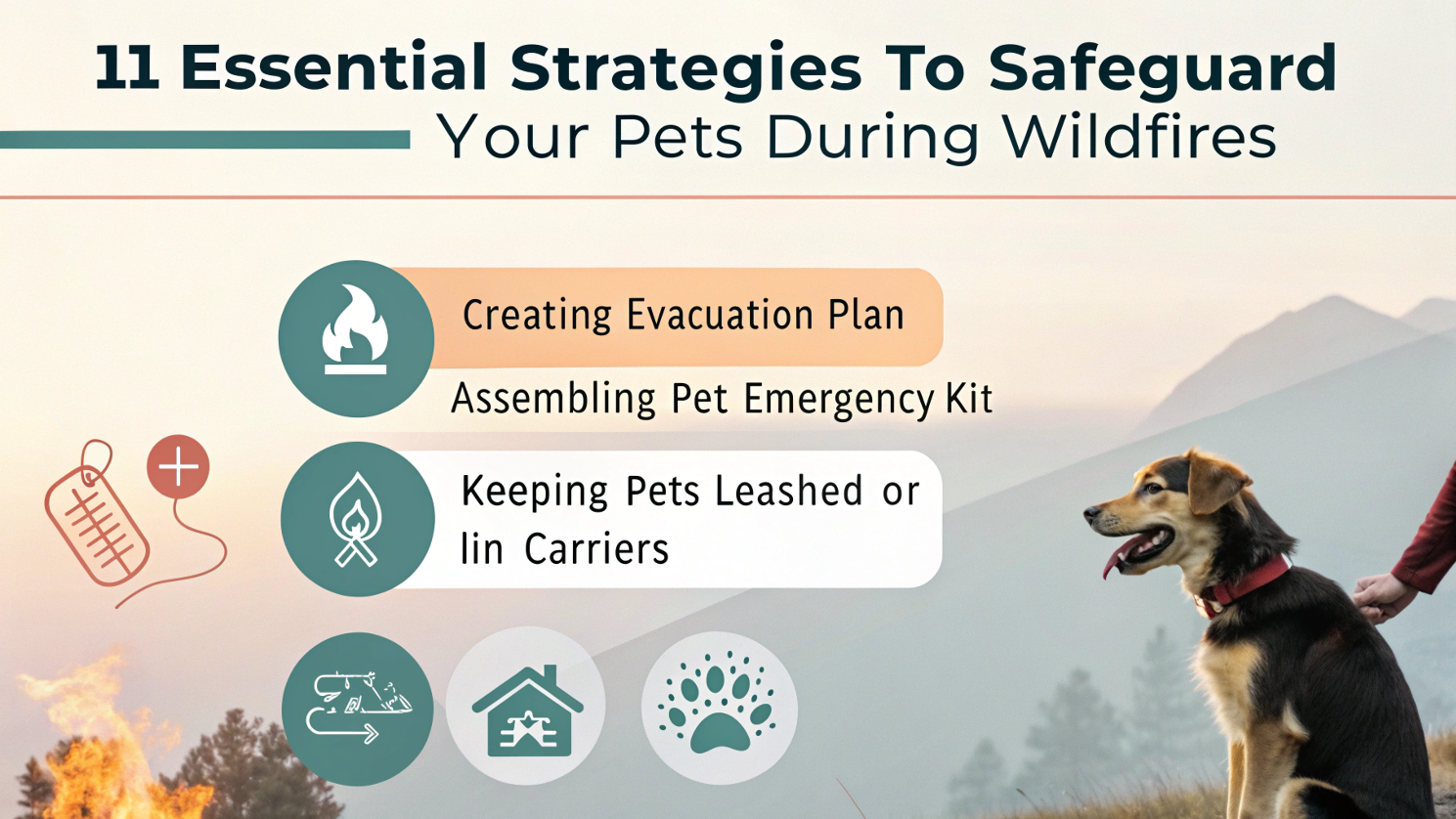
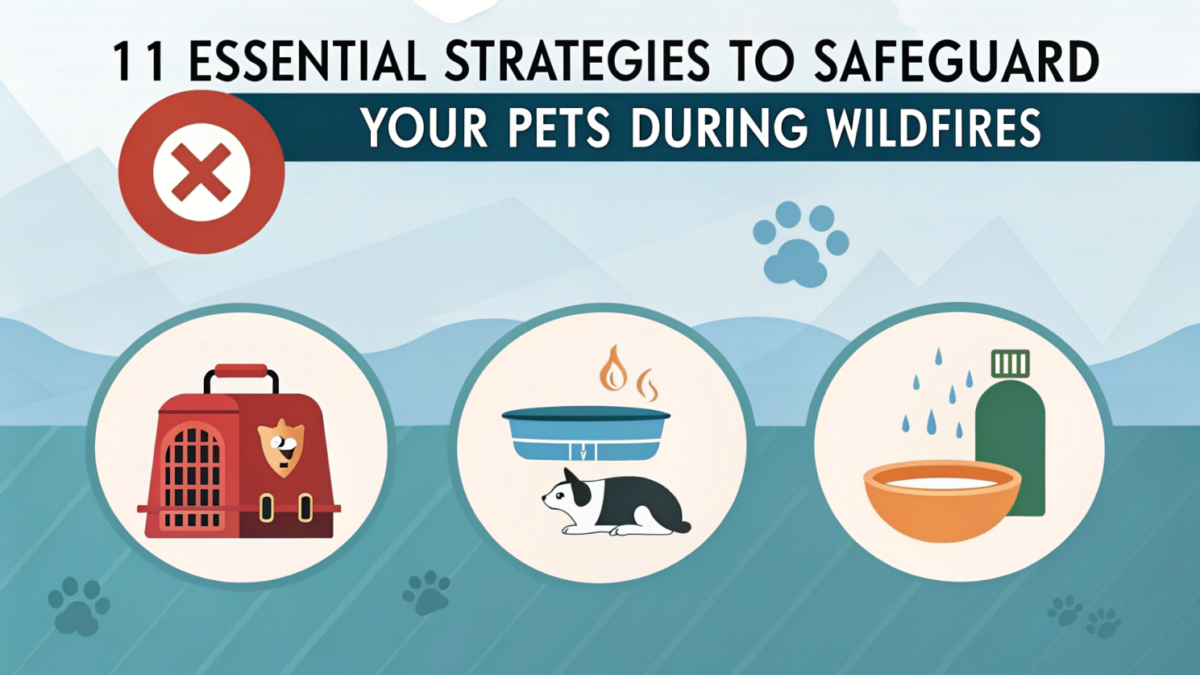
11 Essential Ways to Keep Pets Safe During Wildfires
Wildfires are becoming more frequent and destructive across many regions, putting families, homes, and pets at risk. While many pet owners prepare for emergencies involving their household, they often overlook the unique challenges animals face during wildfire evacuations.
Whether you own a dog, cat, bird, horse, or other companion animal, having a wildfire preparedness plan can make the difference between safety and tragedy.
In this guide, you’ll learn the most effective strategies to protect pets during wildfires, prepare for emergency evacuations, and ensure your animals remain safe before, during, and after a wildfire event.
1. Create a Pet Wildfire Emergency Plan
A detailed emergency plan should be your first line of defense against wildfire disasters.
Include These Essentials:
- Multiple evacuation routes
- Emergency contact information
- Designated caregiver or pet guardian
- Transportation arrangements
- Pet-friendly shelter locations
Why It Matters
Wildfires can spread rapidly, leaving little time to react. A well-prepared plan helps you evacuate quickly and safely with your pets.
2. Microchip Your Pets and Update Identification
One of the most effective ways to reunite with a lost pet after a wildfire is through proper identification.
Important Steps
- Register your pet’s microchip.
- Verify your contact details annually.
- Attach current ID tags to collars.
- Keep recent photos of your pets.
Why It Matters
During emergencies, frightened pets can escape or become separated from their owners. Updated identification dramatically increases the chances of reunion.
3. Practice Pet Evacuation Drills
Pets often become stressed during emergencies. Regular drills help them stay calm and cooperative.
How to Practice
- Use carriers and leashes during drills.
- Simulate evacuation conditions.
- Reward calm behavior with treats.
- Train pets to enter carriers on command.
Why It Matters
Familiarity reduces panic and allows faster evacuation when every minute counts.
4. Build a Pet Emergency Kit
Every household should have a dedicated pet disaster preparedness kit ready to grab at a moment’s notice.
Essential Items
- Three to seven days of food
- Bottled water
- Food and water bowls
- Medications
- Medical records
- Pet first-aid kit
- Leashes and harnesses
- Carriers
- Waste bags
- Favorite toys and blankets
Why It Matters
Emergency shelters and evacuation centers may not have pet supplies available immediately.
5. Know Where Pet-Friendly Shelters Are Located
Many emergency shelters do not accept animals.
Research Ahead of Time
- Pet-friendly evacuation shelters
- Local boarding facilities
- Animal rescue organizations
- Veterinary clinics
- Pet-friendly hotels
Why It Matters
Knowing your options before a wildfire starts prevents stressful last-minute decisions.
6. Stay Informed About Wildfire Conditions
Monitoring wildfire alerts can provide critical time to evacuate safely.
Reliable Sources
- Local emergency management agencies
- Weather alerts
- FEMA notifications
- Community warning systems
- Local news broadcasts
Why It Matters
Early evacuation is often the safest choice for both people and pets.
7. Create a Fire-Resistant Property
Reducing wildfire risk around your home helps protect your family and animals.
Safety Measures
- Remove dry vegetation.
- Clear leaves and debris.
- Maintain defensible space around structures.
- Use fire-resistant landscaping materials.
- Install smoke detectors.
Why It Matters
A safer property reduces the likelihood of wildfire damage and improves emergency response access.
8. Keep Pets Indoors During High Fire Risk
Smoke, heat, and panic can cause pets to flee or become injured.
Best Practices
- Keep animals indoors.
- Close windows during smoky conditions.
- Use air filtration when possible.
- Supervise outdoor bathroom breaks.
Why It Matters
Indoor protection reduces exposure to smoke inhalation and wildfire-related hazards.
9. Prepare Large Animals and Livestock
Owners of horses, cattle, goats, and other livestock need additional planning.
Important Preparations
- Secure transportation trailers.
- Identify evacuation locations.
- Maintain current vaccinations.
- Store emergency feed and water supplies.
- Keep halters and identification readily available.
Why It Matters
Large animals often require more time to evacuate and should be moved before official evacuation orders whenever possible.
10. Consider Your Pet’s Medical Needs
Senior pets and animals with chronic conditions require special attention.
Don’t Forget
- Prescription medications
- Veterinary records
- Special diets
- Mobility aids
- Emergency veterinary contacts
Why It Matters
Medical disruptions during disasters can quickly become life-threatening.
11. Review and Update Your Plan Every Year
Emergency plans should evolve as circumstances change.
Annual Checklist
- Update emergency contacts.
- Replace expired medications.
- Refresh food and water supplies.
- Verify microchip information.
- Practice evacuation procedures.
Why It Matters
Preparedness is an ongoing process, not a one-time task.
Frequently Asked Questions About Pet Wildfire Safety
What should I do with my pets during a wildfire evacuation?
Take all pets with you immediately. Never leave pets behind, even if you believe you’ll return soon. Bring identification, food, water, medications, and carriers.
How do I protect my dog or cat from wildfire smoke?
Keep pets indoors, close windows and doors, use air filtration if available, and limit outdoor exposure until air quality improves.
What belongs in a pet emergency kit?
A pet emergency kit should include food, water, medications, veterinary records, first-aid supplies, leashes, carriers, identification tags, and comfort items.
Are there shelters that accept pets during wildfires?
Yes. Many communities provide pet-friendly evacuation shelters, and some animal rescue organizations coordinate temporary housing for displaced pets.
Should pets wear ID tags during emergencies?
Absolutely. Pets should wear collars with updated identification tags and be microchipped for additional protection.
Final Thoughts
Wildfires can develop quickly and create dangerous conditions for both people and animals. By preparing a pet emergency plan, assembling a disaster kit, monitoring wildfire alerts, and identifying pet-friendly shelters ahead of time, you can dramatically improve your pet’s chances of staying safe during an emergency.
The best time to prepare is before wildfire season begins. A few hours of planning today could save your pet’s life tomorrow.
Reference: