Last Updated on August 18, 2025 by Dogs Vets
Saying goodbye to a beloved pet is one of the hardest experiences a family can face. For many, pets are more than animals—they are loyal companions and cherished members of the household. When a dog or cat is nearing the end of life due to illness, injury, or age, families are often faced with the difficult decision of euthanasia. Mobile dog and cat euthanasia services provide a compassionate option by allowing this final act of care to take place in the comfort of a pet’s own home.
What Is Mobile Euthanasia?
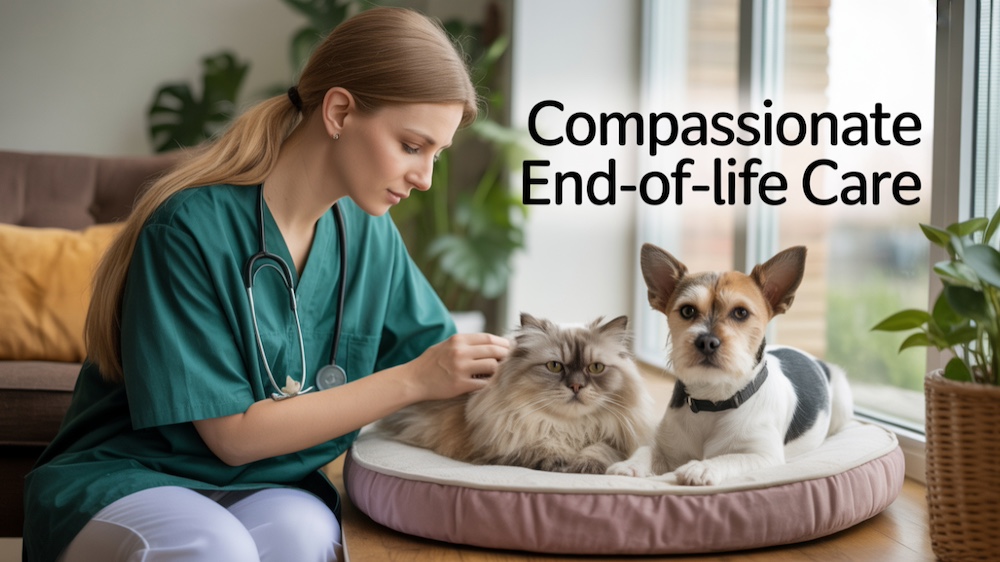
Mobile euthanasia is a veterinary service where a licensed veterinarian travels to a family’s home to perform humane euthanasia for pets. Instead of requiring owners to bring their pet to a clinic, the veterinarian provides the procedure in a familiar environment, reducing stress for both pets and families. This approach is designed to make the final moments as peaceful and comfortable as possible.
Why Families Choose In-Home Services
There are several reasons why families may choose mobile euthanasia over a traditional veterinary clinic:
- Comfort and Familiarity – Pets remain in their favorite space, whether that’s curled up on a couch, in the backyard, or in a loved one’s arms.
- Reduced Stress – Older or sick pets may experience anxiety when traveling. Home services eliminate car rides, waiting rooms, and unfamiliar smells.
- Family Togetherness – Relatives, including children, can be present without restrictions. This allows the family to create a calm and loving environment.
- Personalized Attention – The veterinarian has more time to focus solely on the pet and the family, without the distractions of a busy clinic.
For many owners, the ability to control the environment makes a significant difference in the grieving process.
The Process of Mobile Euthanasia
Every veterinarian may have slightly different protocols, but most mobile euthanasia visits follow a similar structure:
- Consultation – The veterinarian discusses the pet’s condition, explains the process, and answers questions.
- Sedation – A gentle sedative is administered so the pet can relax and drift into a peaceful sleep.
- Euthanasia Injection – Once the pet is deeply asleep, a final injection is given to stop heart function painlessly.
- Aftercare Options – Families may choose home burial (where legal), or the veterinarian can arrange cremation services.
The process is designed to minimize discomfort and maximize dignity for the animal. Families are encouraged to spend as much time as they need before and after the procedure.
Benefits Beyond the Pet
While the primary goal is to provide a peaceful passing for the animal, mobile euthanasia also benefits families. Many people find it easier to grieve in their own homes, surrounded by memories. Some choose to light candles, play soft music, or hold a small ceremony to honor their pet’s life. Having the veterinarian come to them removes the emotional burden of transporting a sick animal during such a difficult time.
Considerations When Choosing a Service
Not every veterinarian offers mobile euthanasia, so it’s important to research and find a provider with the right qualifications and approach. Families may want to consider:
-
- Licensing and Credentials – Ensure the veterinarian is fully licensed in your state.
- Experience – Some vets specialize in end-of-life care and have additional training in palliative or hospice support.
- Compassionate Communication – A good provider will take time to explain the process and support the family.
- Aftercare Services – Confirm whether cremation or memorial options are included.
Mobile euthanasia is considered safe, legal, and ethical when performed by a licensed veterinarian. According to the American Veterinary Medical Association, euthanasia should always be carried out with methods that minimize distress and ensure a humane death (source).
Supporting Families Through Grief
The grieving process after losing a pet can be as intense as losing a human loved one. Many mobile veterinarians also provide resources for coping with grief, including support groups and counseling referrals. For families with children, veterinarians often offer advice on how to talk about death in an age-appropriate and compassionate way.
A Gentle Goodbye
Mobile dog and cat euthanasia services provide a thoughtful alternative to clinic-based care. By prioritizing comfort, dignity, and compassion, these services honor the bond between humans and animals in one of life’s most difficult moments. For many families, the ability to say goodbye at home helps transform an emotionally painful experience into a meaningful farewell filled with love.
FAQs About Mobile Dog and Cat Euthanasia
Is mobile euthanasia more expensive than going to a clinic?
Yes, in most cases mobile services cost more because of travel time and the personalized nature of the care. However, many families feel the additional cost is worth the comfort and peace provided.
How do I know when it’s the right time to consider euthanasia?
Veterinarians typically look at quality-of-life indicators such as pain, appetite, mobility, and overall well-being. If your pet can no longer enjoy daily activities or is suffering despite treatment, euthanasia may be a compassionate option.
Can I stay with my pet during the procedure?
Absolutely. Most veterinarians encourage families to be present, hold their pet, and provide comfort throughout the process.
What happens to my pet’s remains after euthanasia?
Families can choose home burial (where allowed), private cremation with ashes returned, or communal cremation. Mobile veterinarians usually coordinate these arrangements.
How long does the euthanasia process take?
The actual procedure is usually quick—often 20 to 40 minutes, including sedation. Families are given as much time as they need before and after the process to say goodbye.
Questions provided by Hearts and Paws AZ – A dog and cat euthanasia service in Arizona.