Last Updated on September 4, 2026 by Dogs Vets
That morning nuzzle from your dog is a lot less charming when their breath could clear a room. Bad breath and plaque buildup are two of the most common dog health complaints out there, and most pet parents just chalk it up to “dog breath” being a permanent fact of life. It’s not. Here’s what’s behind it, and what you can do about it at home.
1. Bad breath usually means something’s building up, not just normal dog smell
A little doggy breath is normal. Genuinely bad breath, the kind that makes you lean away during belly rub time, is usually a sign that bacteria and plaque have started building up along the gumline. Left alone, that buildup hardens into tartar, which is a lot harder to deal with than plaque ever was.
2. Diet and chew habits play a bigger role than most owners realize
What your dog eats and chews on daily has a direct impact on their dental health. Dogs who mostly eat soft food or don’t get much to chew on tend to build up plaque faster than dogs with regular chewing opportunities. It’s not just about fresh breath either, chewing helps mechanically scrape some of that buildup off before it hardens.
3. Small breeds and older dogs are more prone to dental issues
If you’ve got a small breed, you’ve probably noticed they seem to need more dental attention than bigger dogs. That’s not your imagination. Smaller mouths mean more crowded teeth, which traps more plaque. Senior dogs also tend to accumulate more tartar over the years, especially if dental care wasn’t part of the routine early on.
4. Brushing is still the gold standard, but it’s not the only option
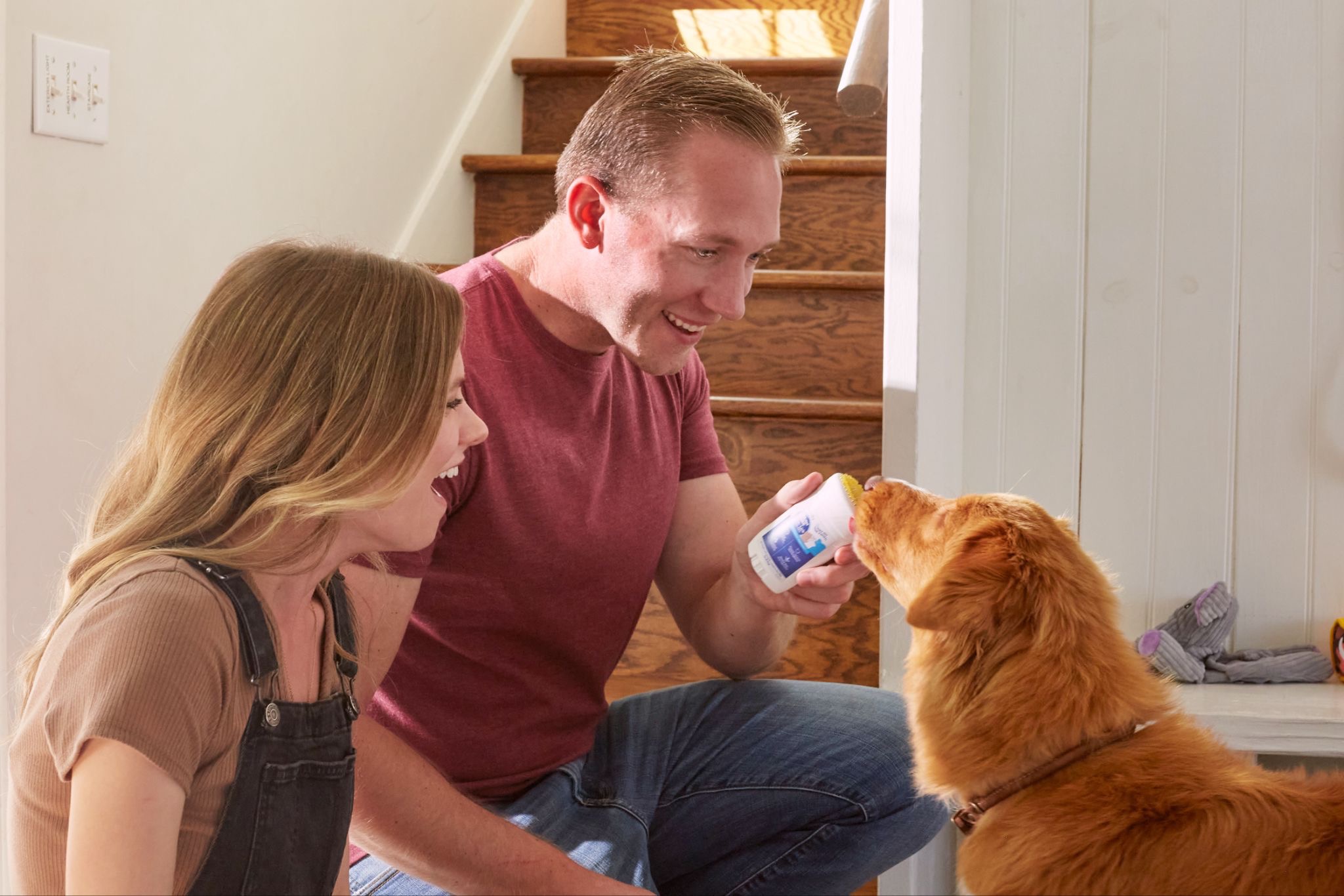
Vets will always recommend brushing your dog’s teeth a few times a week if you can manage it. That said, plenty of dogs (and plenty of owners) just don’t do well with a toothbrush in the mix. If that’s your household, you’re not out of options. Twist + Lick Dental Gel from Tevra Brands is a gel-based alternative designed to make at-home oral care simpler, no toothbrush required. It’s an easy way to build a dental habit into your routine without the wrestling match some dogs turn brushing into.
5. Dental chews and toys help, but they’re not a full replacement
Dental chews and toys designed to reduce plaque can absolutely help between more thorough care. But they work best as a supplement. Think of them as one piece of a bigger routine rather than a standalone fix.
6. Bad breath can sometimes point to something bigger
Most of the time, bad breath is a dental issue. Occasionally, it’s a sign of something else, like a digestive issue or, in rarer cases, kidney or liver issues. If the smell is unusually strong, sudden, or paired with other symptoms like changes in appetite or energy, it’s worth mentioning to your vet rather than assuming it’s just teeth.
7. Regular vet checkups catch what home care can’t
At-home care goes a long way, but it’s not a substitute for professional dental cleanings. Tartar that’s already hardened generally needs a vet’s help to remove safely. A yearly dental check as part of a regular vet visit is the easiest way to catch buildup before it turns into a bigger, more expensive problem.
Keeping Your Dog’s Breath (and Teeth) in Check
Dog dental care doesn’t have to be complicated, but it does need to be consistent. Between regular chewing opportunities, an easy at-home routine, and yearly vet checkups, most bad breath and plaque issues are entirely manageable before they become something more serious.