Last Updated on September 28, 2026 by Dogs Vets
For many years, dogs in Nigeria were mainly associated with security. A dog in the compound was often seen as a watchdog whose primary job was to bark at strangers, protect the house, and alert the family when something unusual happened.
But that picture is changing.
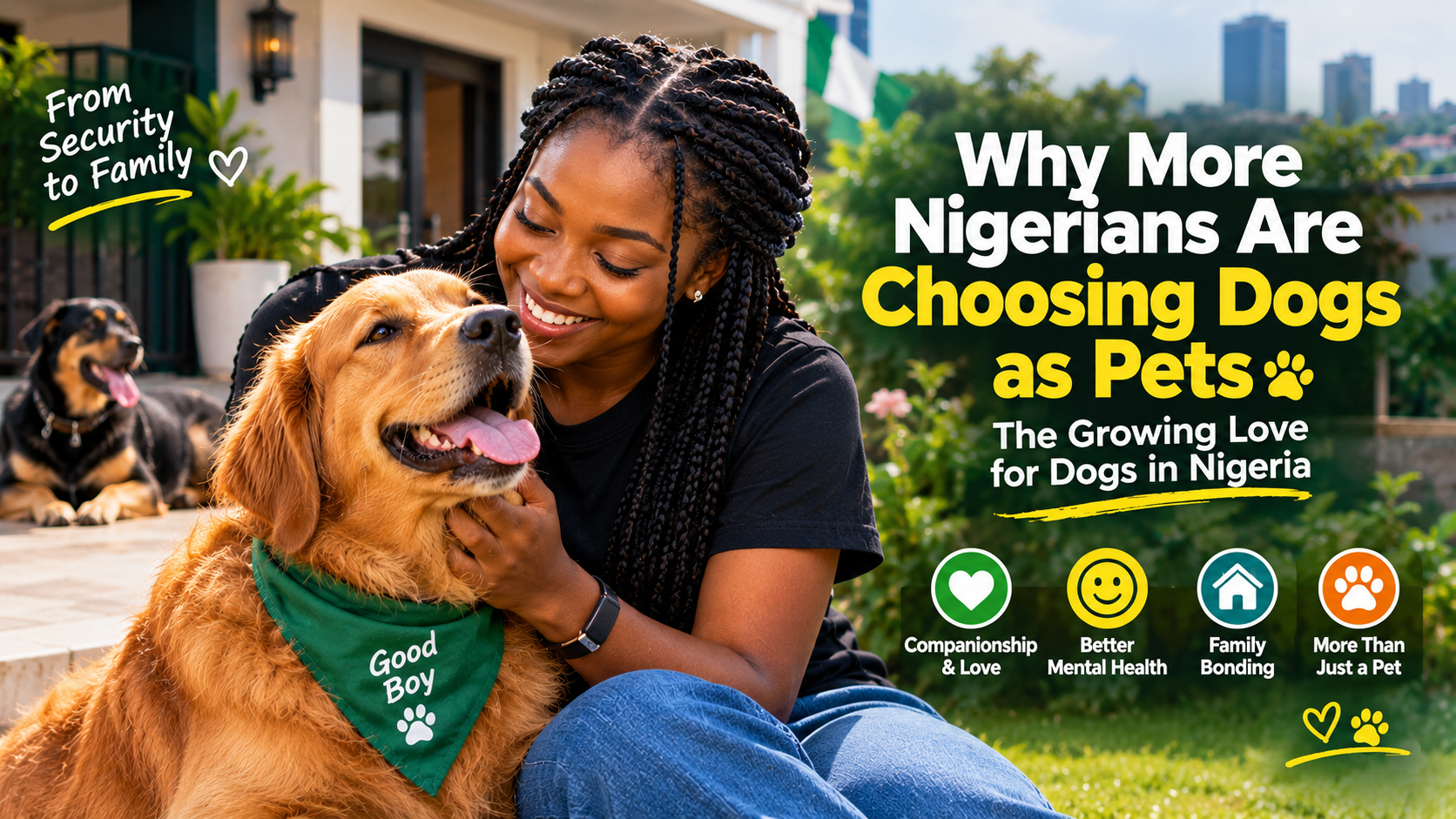
Today, more Nigerians are welcoming dogs into their homes not only for security but also for companionship, emotional support, exercise, family bonding, and simple enjoyment. From Lagos and Abuja to Port Harcourt, Ibadan, Benin City, Enugu, and other growing Nigerian cities, dogs are increasingly becoming part of the family.
Social media has also changed how Nigerians see pet ownership. Cute puppies, dog-training videos, rescue stories, grooming content, and funny dog personalities regularly attract thousands of views online. For a growing number of young Nigerians, owning a dog is no longer simply about having an animal around the compound—it is about having a companion.
So, why are more Nigerians choosing dogs as pets?
Let’s take a closer look at the reasons behind this growing interest and what prospective dog owners should consider before bringing a dog home.
1. Dogs Are Becoming More Than Security Animals
Perhaps the biggest change in Nigerian dog ownership is the shift from seeing dogs primarily as security animals to viewing them as companions.
Traditionally, many Nigerian households kept dogs outside, often in kennels or within fenced compounds. Their main purpose was to discourage intruders and alert residents to unfamiliar activity.
While security remains an important reason Nigerians own dogs, many owners now develop a much closer relationship with their pets.
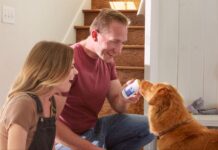
A dog may sleep inside the home, play with children, follow its owner around the house, and become part of everyday family activities.
This change is particularly noticeable among younger pet owners who have grown up watching international pet content on YouTube, Instagram, TikTok, and other social platforms.
The modern Nigerian dog owner may care about a dog’s personality, training, nutrition, grooming, exercise, and emotional wellbeing just as much as its ability to protect the home.
2. Dogs Provide Companionship
One of the simplest reasons people choose dogs is companionship.
Life in a busy Nigerian city can sometimes feel lonely. People spend long hours working, commuting, studying, running businesses, or dealing with the pressures of everyday life.
Coming home to an excited dog can make a noticeable difference.
Dogs greet their owners, seek attention, encourage interaction, and provide a sense of routine. Even a simple activity such as taking a dog for a walk can create a break from a busy day.
For some owners, the relationship becomes surprisingly deep.
A dog learns its owner’s voice, routine, habits, and moods. The owner, in turn, learns the dog’s personality—whether it is playful, shy, protective, energetic, stubborn, or affectionate.
That relationship is one of the reasons dogs are increasingly being considered genuine family members.
3. Social Media Is Changing Nigerian Pet Culture
Social media has played a major role in making dog ownership more visible and attractive.
A Nigerian scrolling through TikTok or Instagram can now see thousands of videos showing dogs being trained, groomed, fed, walked, dressed, photographed, and treated as family members.
Funny dog videos can go viral within hours.
A puppy doing something unexpected can attract thousands or even millions of views. Rescue stories can generate emotional reactions. Training videos can teach new owners how to manage difficult behavior.
This constant exposure has helped introduce Nigerians to a broader pet culture.
People who previously thought of dogs mainly as security animals are now seeing examples of owners building strong emotional relationships with their pets.
Social media has also made certain dog breeds more familiar to Nigerians. Breeds such as German Shepherds, Rottweilers, Labradors, Golden Retrievers, French Bulldogs, Poodles, and other popular breeds frequently appear online.
However, seeing a breed online is very different from owning one. Every dog has different exercise, food, training, grooming, and health requirements.
4. Dogs Can Encourage a More Active Lifestyle
Dogs need exercise, and that can encourage their owners to become more active too.
A dog that needs regular walks may give its owner a reason to get outside instead of spending the entire day indoors.
Walking a dog around a safe neighborhood, playing fetch in a compound, or spending time outdoors with a pet can become part of a daily routine.
For people who already enjoy exercise, a dog can become a companion for outdoor activities.
However, Nigerian dog owners need to consider their local environment carefully. Hot temperatures, busy roads, traffic, poor sidewalks, and unsafe areas can make walking a dog challenging.
Walking should therefore be done in safe areas and, during very hot weather, preferably during cooler parts of the day.
5. Dogs Can Become Part of the Family
Perhaps the clearest sign of changing attitudes toward dogs is the way many owners now treat them as members of the household.
A dog may have its own sleeping area, food bowl, toys, grooming schedule, and veterinarian.
Some families celebrate their dogs’ birthdays. Others take professional photographs of them or include them in family activities.
Children can also develop strong bonds with family dogs.
Under appropriate adult supervision, interacting with a well-trained dog can teach children important lessons about responsibility, patience, empathy, and caring for another living creature.
But parents should remember that dogs are animals, not toys. Children should be taught how to interact with dogs respectfully and safely.
6. More Nigerians Are Learning About Responsible Pet Ownership
Another reason dog ownership is changing is access to information.
In the past, new dog owners often depended on friends, relatives, neighbors, or local breeders for advice.
Today, information is everywhere.
Nigerians can watch professional dog trainers, veterinarians, animal welfare organizations, breeders, and experienced pet owners explain everything from puppy training to nutrition.
Search engines and social media have also made it easier to learn about:
- Dog vaccination
- Puppy training
- Dog nutrition
- Grooming
- Parasite prevention
- Exercise
- Dog behavior
- Responsible breeding
- Veterinary care
- Pet safety
This access to information can help new owners make better decisions.
Of course, not everything posted online is accurate. Dog owners should be careful about following medical advice from random social media accounts and should consult a qualified veterinarian when a dog is sick or showing unusual symptoms.
7. The Growth of Pet-Friendly Businesses
As demand for pets grows, businesses serving dog owners are also becoming more visible.
Depending on the city, dog owners can find businesses offering services such as grooming, veterinary care, pet food, accessories, training, boarding, and sometimes specialized pet products.
Online shopping has also made it easier to purchase items such as collars, leashes, beds, toys, feeding bowls, grooming tools, and other dog supplies.
This developing pet economy makes dog ownership more convenient for people who are willing and able to invest in proper care.
It also reflects a broader change: pets are becoming an increasingly recognized part of household spending.
8. Nigerians Are Discovering the Emotional Benefits of Pet Ownership
Many dog owners describe their pets as a source of comfort after a difficult day.
There is something emotionally reassuring about having a dog waiting at home.
A dog does not care whether its owner had a bad day at work, missed a business opportunity, failed an examination, or simply feels tired. It may still run to the door with the same excitement.
That emotional connection is one reason dogs can become so important to their owners.
However, it is important not to overstate the role of pets. Dogs are not a replacement for professional mental-health care when someone is experiencing serious emotional difficulties.
They can be companions, but responsible pet ownership means understanding both the benefits and responsibilities involved.
9. Urban Nigerians Are Looking for Companionship
Nigeria’s cities are changing rapidly.
Urban lifestyles can involve long working hours, traffic, smaller social circles, and significant amounts of time spent online.
For some people, a dog provides a reason to disconnect from a screen and interact with the real world.
Feeding the dog in the morning, cleaning its living area, playing with it after work, or taking it outside can create structure.
That routine can be valuable.
But it also means prospective owners should think carefully before buying or adopting a dog.
A dog should never be acquired simply because a particular breed looks attractive on Instagram.
10. Dog Ownership Comes With Serious Responsibilities
The growing popularity of dogs in Nigeria is positive for people who are prepared to care for them properly, but owning a dog is a long-term commitment.
Before getting a dog, prospective owners should consider the cost of:
- Quality food
- Vaccinations
- Veterinary visits
- Parasite prevention
- Grooming
- Training
- Toys and equipment
- Emergency medical care
- Secure housing
- Boarding or care when traveling
There is also the responsibility of providing adequate exercise, attention, socialization, and companionship.
A dog cannot simply be left chained outside all day and expected to remain happy and healthy.
Responsible ownership means understanding the animal’s physical and emotional needs.
11. Choosing the Right Dog for a Nigerian Home
Not every dog is suitable for every household.
A person’s lifestyle should influence the type of dog they choose.
Someone living in a small apartment may have different considerations from someone living in a large house with a secure compound.
Likewise, someone who works from home may have more time for a dog than someone who spends most of the day away.
Before choosing a dog, consider:
Space
Does your home provide enough safe space for the dog?
Climate
Nigeria’s warm climate means owners must pay attention to heat, hydration, shade, and ventilation.
Time
Can you provide daily interaction, exercise, training, and attention?
Budget
Can you afford routine veterinary care as well as unexpected medical expenses?
Experience
Are you prepared to train and socialize a dog properly?
Family
Does everyone in the household understand how to interact safely with the dog?
These questions are more important than simply choosing the most popular breed.
12. Adoption Can Be Another Option
For Nigerians considering dog ownership, adoption may also be worth exploring.
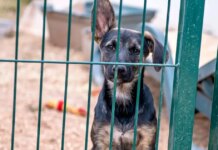
Animal welfare organizations, shelters, rescue groups, and individuals sometimes have dogs looking for permanent homes.
Adopting an adult dog can also have advantages. Some adult dogs already have established personalities, making it easier for a potential owner to understand what kind of companion they are getting.
However, adoption should still be approached responsibly.
Potential owners should ask about the dog’s health history, vaccination status, temperament, previous living conditions, and any known behavioral issues.
A proper introduction is particularly important when there are children or other animals in the household.
13. The Importance of Veterinary Care in Nigeria
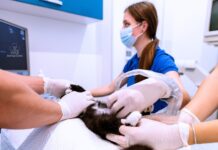
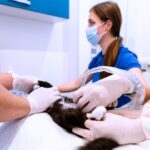
One of the most important aspects of responsible dog ownership is veterinary care.
New dog owners should establish a relationship with a qualified veterinarian and follow appropriate vaccination and preventive-care schedules.
Dogs can suffer from infectious diseases, parasites, injuries, nutritional problems, and other health conditions.
Regular veterinary examinations can help identify problems before they become serious.
Owners should also avoid giving dogs human medication without professional veterinary guidance.
When a dog suddenly stops eating, becomes unusually weak, has difficulty breathing, experiences persistent vomiting or diarrhea, or shows other worrying symptoms, professional veterinary advice should be sought promptly.
14. Dogs and Home Security Still Go Together
Although the role of dogs is expanding beyond security, many Nigerians still value their natural alertness.
Dogs can hear and smell things that humans may not notice and can bark when unfamiliar people approach.
This can make them useful as alert animals.
However, a dog should not be treated as a complete home-security system.
A secure gate, appropriate fencing, lighting, alarms, cameras, and other security measures can provide additional protection.
Training is also important. A well-trained dog should be able to distinguish ordinary household activity from situations requiring attention.
15. A New Generation Is Changing the Meaning of Pet Ownership
Perhaps the most interesting part of Nigeria’s changing relationship with dogs is the generational shift.
Younger Nigerians are increasingly exposed to global pet culture through social media, streaming platforms, international entertainment, and online communities.
They see people celebrating pets, taking them on trips, buying specialized food, creating social-media accounts for them, and treating them as companions.
That exposure is influencing expectations about what it means to own a dog.
For many younger owners, the question is no longer simply:
“Can this dog protect my house?”
It is also:
“Can this dog become part of my life and family?”
That represents a significant cultural change.
The Future of Dog Ownership in Nigeria
The growing interest in dogs is likely to create more demand for responsible breeders, veterinarians, trainers, groomers, pet-food suppliers, animal welfare organizations, and other pet-related services.
It could also create greater awareness of animal welfare.
But growth in dog ownership needs to be accompanied by education.
More dogs in homes should mean more attention to vaccination, responsible breeding, humane treatment, proper nutrition, training, identification, and veterinary care.
The goal should not simply be to have more dogs.
The goal should be to have more responsibly cared-for dogs.
Final Thoughts
The relationship between Nigerians and dogs is changing.
Dogs that were once primarily viewed as security animals are increasingly becoming companions, exercise partners, family pets, and sources of everyday joy.
Social media, urban lifestyles, greater access to information, changing attitudes toward animals, and the growing availability of pet-related services are all contributing to this shift.
But owning a dog is not just about having a cute puppy.
It is a long-term responsibility.
Before bringing a dog home, Nigerians should consider their lifestyle, finances, available space, time, family situation, and ability to provide proper veterinary and daily care.
When those responsibilities are taken seriously, a dog can become much more than an animal living in the compound.
It can become a trusted companion—and for many Nigerian families, a genuine member of the family.
Frequently Asked Questions
Are dogs becoming more popular as pets in Nigeria?
Dog ownership is increasingly visible in Nigerian urban communities, particularly through social media and the growing number of pet-related products and services. However, reliable nationwide statistics measuring the total number of pet dogs in Nigeria are limited.
Why do Nigerians keep dogs?
Common reasons include home security, companionship, family interaction, exercise, and personal enjoyment. The importance of each reason varies between households.
What should I consider before getting a dog in Nigeria?
Consider your available space, time, budget, local climate, veterinary access, exercise opportunities, and ability to provide training and daily care.
Are dogs expensive to keep in Nigeria?
The cost varies considerably depending on the dog’s size, age, health, diet, breed, and the services it requires. Prospective owners should budget for food, veterinary care, vaccinations, parasite prevention, grooming, training, and emergencies.
Can dogs live comfortably in Nigeria’s hot climate?
Many dogs can adapt to Nigeria’s climate when they have adequate shade, ventilation, clean drinking water, appropriate exercise schedules, and protection from excessive heat. Owners should monitor dogs carefully during very hot weather.
Should I adopt or buy a dog?
Both options can be considered. Adoption can provide a home for a dog that needs one, while purchasing from a responsible breeder may be appropriate for someone seeking specific characteristics. Whichever route is chosen, the dog’s health, welfare, and suitability for the household should come first.
Recommended reference links
- The Guardian — Nigerians embrace dogs as pets
This is the most directly relevant source for your article. It discusses the changing perception of dogs in Nigeria, particularly in Lagos and Abuja, and the growing emphasis on dogs as companions rather than only guard animals. (The Guardian)
Read the Guardian article - Federal Ministry of Livestock Development — Responsible dog ownership and vaccination in Nigeria
A current Nigerian government source discussing responsible dog ownership, dog vaccination, community engagement and rabies prevention. Published September 25, 2026. (Ministry of Labour and Employment)
Federal Ministry of Livestock Development - World Health Organization — Human rabies prevention and management
Useful for the section about vaccination, responsible ownership and dog-mediated rabies. WHO identifies mass dog vaccination as a key strategy for preventing human rabies. (World Health Organization)
WHO: Human rabies prevention and management - WHO — Rabies Fact Sheet
Useful for factual health information about dogs, bites, vaccination and rabies prevention. (World Health Organization)
WHO: Rabies Fact Sheet - WHO — Veterinary Vaccines and Dog Rabies Control
Particularly useful for supporting statements about dog vaccination and responsible pet ownership. WHO notes that achieving high vaccination coverage among dogs is central to preventing dog-mediated rabies. (World Health Organization)
WHO: Veterinary vaccines