Last Updated on November 11, 2026 by Dogs Vets
The pet food industry continues to grow as more people treat their dogs as important members of their families. Pet owners are becoming more careful about the products they buy, especially when it comes to ingredients, quality, taste, and nutrition. This growing interest creates new opportunities for pet retailers who want to expand their businesses and increase sales.
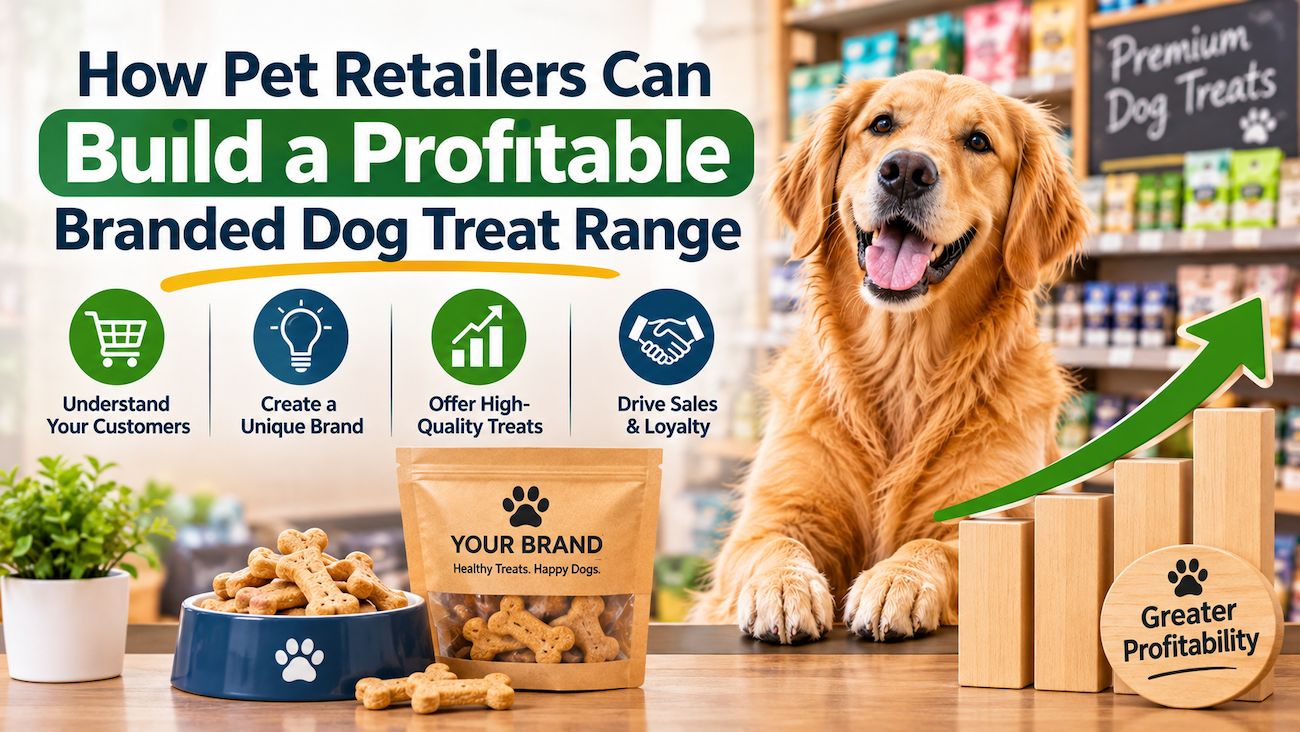
One effective way to attract customers and improve profit margins is by introducing a branded dog treat range. Instead of selling only products from established manufacturers, retailers can develop their own product lines and build a recognizable brand. However, creating a successful range requires proper planning, market research, and a clear understanding of customer needs.
Understand Your Target Customers
Before launching a dog treat range, retailers should understand the people who are most likely to buy their products. Different pet owners have different preferences, budgets, and expectations.
Some customers prefer natural treats made with simple ingredients, while others look for grain-free, high-protein, or dental care options. There are also pet owners who want affordable everyday treats for training and rewarding their dogs.
Retailers can learn about these preferences by reviewing customer feedback, studying purchasing habits, and observing popular products in their stores. This information helps businesses choose the right products and avoid investing in items that may not sell well.
Research the Dog Treat Market
Market research is an important step when developing a private-label product range. Retailers should study competing brands, product prices, packaging styles, and customer reviews.
Look at which types of treats are popular and identify areas where existing products may not meet customer expectations. For example, there may be demand for healthier training treats, single-protein snacks, or products suitable for dogs with specific dietary needs.
Understanding market trends also helps retailers decide how to position their brand. A business can focus on premium quality, affordable pricing, natural ingredients, or convenient everyday rewards.
Choose Quality Ingredients
Ingredient quality has a major influence on customer trust and product reputation. Pet owners often check product labels before making a purchase, so retailers should work with manufacturers that follow appropriate food safety and quality standards.
Common ingredients include chicken, beef, fish, vegetables, and other suitable nutritional components. The selection should depend on the intended product type and the needs of the target audience.
Retailers should also pay attention to ingredient transparency. Clear product labels help customers understand what they are buying and make informed decisions.
Avoid making unsupported health claims. Instead, focus on accurate nutritional information and the actual benefits of the ingredients used.
Work With a Reliable Manufacturer
Finding the right manufacturing partner is one of the most important decisions when launching a branded dog treat range. A reliable supplier can help retailers develop suitable recipes, maintain product consistency, and manage production requirements.
Before selecting a manufacturer, businesses should review its experience, production capacity, quality control procedures, and certifications. It is also useful to request product samples and check their quality before placing a large order.
Retailers can also explore established brands and product suppliers to understand what is already available in the market. For example, Pack’n Pride dog treats can be considered when exploring dog treat products and understanding the range of options available to pet retailers.
Building a good relationship with suppliers can make future product development easier and help businesses maintain a consistent supply.
Develop Attractive Packaging
Packaging plays an important role in attracting customers. When shoppers visit a pet store, they often compare several products before choosing one. Attractive packaging can help a new brand stand out on crowded shelves.
Retailers should choose a design that reflects their brand identity and communicates the product’s main features. Important information such as ingredients, weight, feeding instructions, and storage details should be easy to read.
Resealable packaging is another useful feature because it helps maintain freshness after opening. Clear product images, simple colors, and professional branding can also improve the overall presentation.
Offer Different Types of Dog Treats
A profitable product range should include options for different dogs and customer preferences. Retailers should avoid depending on only one type of treat.
Some useful product categories include:
- Training treats: Small and convenient snacks for rewarding good behavior.
- Dental treats: Products designed to support daily oral care.
- Natural treats: Options made with carefully selected ingredients.
- Chewy treats: Longer-lasting snacks that provide an enjoyable chewing experience.
- Soft treats: Suitable options for dogs that prefer softer textures.
Offering different varieties allows retailers to reach a wider customer base and encourage repeat purchases.
Set Competitive Prices and Manage Costs
Pricing directly affects both sales and profitability. Retailers should calculate manufacturing, packaging, transportation, storage, marketing, and other operating costs before setting the final selling price.
A good pricing strategy should provide a reasonable profit margin while remaining attractive to customers.
It is also important to compare prices with competing products. If a retailer offers premium ingredients and attractive packaging, customers may be willing to pay more. However, the product must provide enough value to justify its price.
Starting with a smaller product range can also reduce financial risk while allowing retailers to understand customer demand.
Promote Your Branded Dog Treat Range
Even a high-quality product needs effective marketing to reach potential customers. Retailers should use different promotional methods to introduce their new dog treat range.
Social media platforms such as Facebook, Instagram, and TikTok can help businesses share product images, short videos, and customer reviews. In-store promotions, product samples, and introductory discounts can also encourage first-time purchases.
Retailers should highlight genuine product features and provide useful information about ingredients and feeding recommendations. Positive customer experiences can further support brand recognition and encourage repeat orders.
Conclusion
Building a profitable branded dog treat range requires more than simply selecting products and placing them on store shelves. Retailers need to understand their customers, research market demand, choose quality ingredients, and work with reliable manufacturers.
Attractive packaging, competitive pricing, product variety, and effective marketing also play important roles in long-term success. By starting with a clear strategy and continuously listening to customer feedback, pet retailers can create a recognizable brand, increase customer loyalty, and develop a profitable position in the growing dog treat market.