Last Updated on June 6, 2026 by Dogs Vets
- Over 60 Dogs Rescued from Extreme Neglect in Pennsylvania Home: What This Means for Responsible Dog Ownership
Heartbreaking news out of Belle Vernon, Pennsylvania: authorities recently rescued 62 dogs and 2 cats from a single home where the animals were living in conditions described as “extreme neglect.” This large-scale rescue operation highlights how quickly situations can spiral and why responsible breeding, spaying/neutering, and community vigilance matter so much.
As a dog lover running this blog, stories like this are tough to read — but they’re also a powerful reminder of how far we’ve come in animal welfare and how much work is still needed. Here’s what we know about the case, what the dogs are facing now, and practical ways you can help prevent similar tragedies.
Details of the Pennsylvania Dog Rescue
The situation first came to light in April 2026 when 39 dogs, including puppies, were surrendered to a local rescue in poor condition. Pennsylvania State Police continued investigating and obtained a search warrant for a property on Main Street in Belle Vernon (Fayette County).
On June 3–4, officers executed the warrant and discovered 62 dogs and two cats inside the home. Rescue groups — including SWPA Humane Law Enforcement, Angels of Mercy, and the ANNA Shelter — stepped in immediately to remove the animals and transport them to safety.
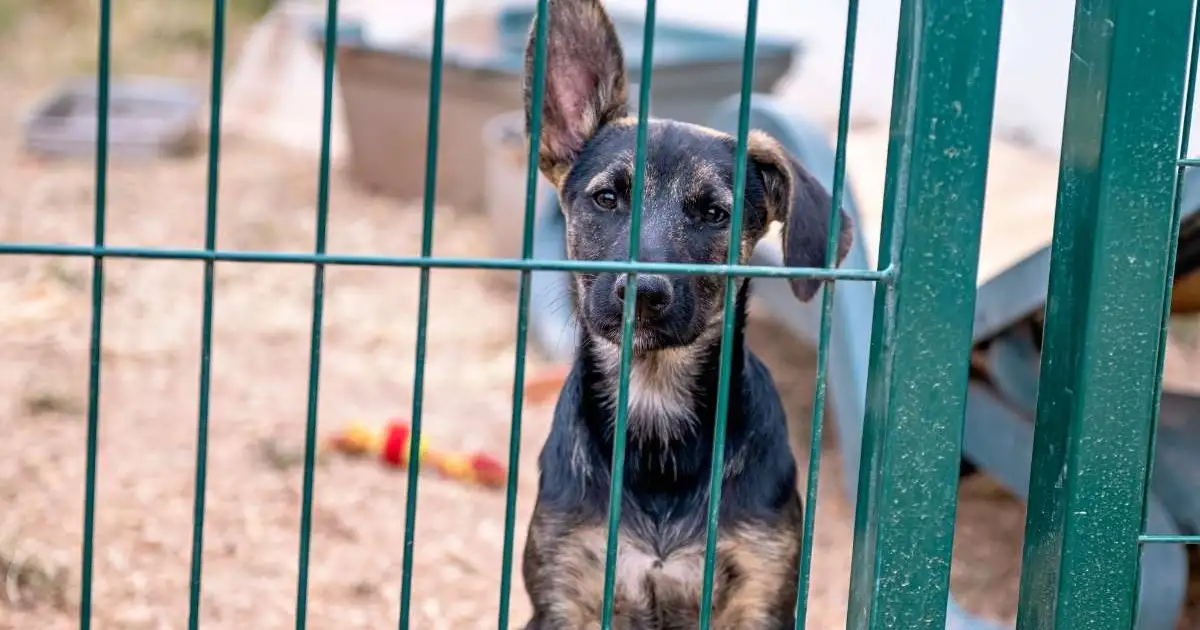
The dogs range in age from just three weeks to about eight years old and appear to be mixes of Labrador Retriever and Collie-type breeds. One young puppy required intensive, round-the-clock veterinary care. Tragically, reports indicate at least one puppy did not survive despite efforts.
Neighbors were shocked. One local resident told reporters she had no idea so many animals were living there and hoped the dogs would recover and find loving homes.
You can read the full original report on DogTime and local coverage from CBS Pittsburgh.
The Reality of Extreme Neglect
Cases like this often involve overcrowding, lack of basic veterinary care, poor sanitation, malnutrition, and untreated medical issues. Rescued animals frequently suffer from:
- Severe flea infestations and skin conditions
- Dental disease
- Respiratory infections
- Malnutrition and muscle wasting
- Behavioral trauma (fear, anxiety, or lack of socialization)
The good news? These dogs are now in the hands of dedicated shelters and rescuers who are providing medical treatment, grooming, nutrition, and rehabilitation. The ANNA Shelter plans to make them available for adoption in phases once they’re healthy and stable.
How You Can Help Right Now
- Donate to the involved groups — SWPA Humane Law Enforcement, ANNA Shelter, and Angels of Mercy are all working hard on this case and will need funds for ongoing vet care and food.
- Share responsibly — Help spread awareness without graphic images that could retraumatize others.
- Adopt or foster — Once these dogs are ready, consider opening your home. Mixed-breed Labs and Collies often make wonderful family dogs with proper training and patience.
- Support local shelters year-round — Overcrowding from hoarding or neglect cases puts huge pressure on resources.
- Spay/neuter your pets and support low-cost programs — This prevents unwanted litters that can lead to overbreeding and neglect.
Lessons for Every Dog Owner
This story is a stark reminder that:
- Breeding should never be taken lightly. Responsible breeders health-test, socialize, and limit litters.
- Hoarding often starts small and escalates. If you suspect neglect or hoarding in your community, report it anonymously to local animal control or humane law enforcement.
- Even well-meaning people can become overwhelmed. Knowing when to ask for help is crucial.
For more on recognizing and reporting animal neglect, see this helpful guide from the ASPCA.
5 Common Questions About Large-Scale Animal Rescues
1. What happens to the dogs after rescue?
They receive full veterinary exams, vaccinations, spay/neuter surgery, grooming, and behavioral support. Once cleared, they’ll go into foster homes or adoption programs.
2. Why do these situations happen?
Common factors include mental health challenges, financial hardship, lack of education about pet care, or intentional neglect/hoarding. Many cases start with good intentions that spiral out of control.
3. Can these dogs recover and become good pets?
Absolutely. With time, love, and professional help, most dogs from neglect situations go on to thrive in forever homes. Patience is key during the rehabilitation period.
4. How can I report suspected animal neglect?
Contact your local animal control, humane society, or state police non-emergency line. Photos, videos, and detailed descriptions help build a case.
5. Are there too many dogs for shelters to handle?
Large rescues strain resources, which is why public support through donations, volunteering, and adoptions is critical. This is exactly why fostering saves lives.
Final Thoughts
Stories like the Pennsylvania rescue of over 60 dogs are difficult, but they also show the incredible compassion of first responders, rescuers, and everyday people who step up. These dogs deserve a chance at the happy, healthy lives they never had before.
If you’re thinking about adding a dog to your family, please consider adopting from shelters or rescues — you might just save one of these survivors.
What are your thoughts on this story? Have you ever volunteered with or adopted from a large rescue operation? Share your experiences in the comments — I read every single one and often feature them in future posts.
Trainers, behaviorists, rescuers, or shelter staff — if you have insights on rehabilitating dogs from neglect or want to share your expertise, I’m always looking for quality guest posts. Reach out!
This article is for informational and awareness purposes. Always report suspected animal cruelty to the proper authorities.
Let me know if you’d like any adjustments, more details, or the next article!