Last Updated on November 19, 2026 by Dogs Vets
A dog that lunges, growls, snaps, or barks intensely can leave a family worried about what to do next. These behaviors deserve attention, but a single incident does not explain the whole dog. Context matters: what was nearby, how much space the dog had, whether the dog was tired or unwell, and what happened immediately before the reaction. A thoughtful response starts with safety and careful observation—not blame.
Reduce pressure while you learn
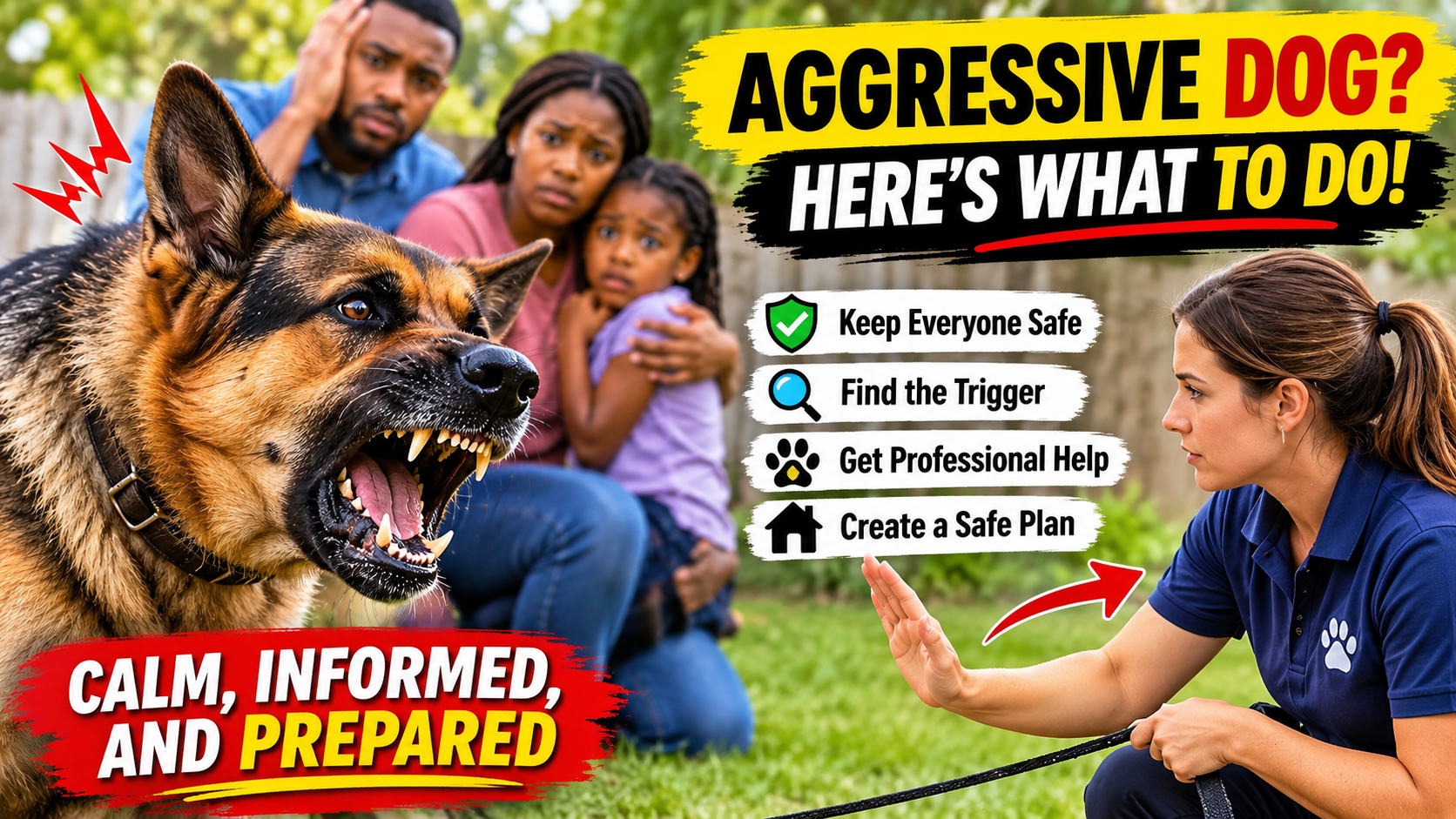
Until you understand a trigger, create distance and avoid situations that repeatedly push the dog past its comfort level. Use secure equipment that fits properly, choose quieter routes or times, and prevent surprise greetings. At home, use barriers and separate spaces to keep visitors, children, and other pets safe. Do not test whether the dog will “get over it” by bringing a trigger closer. Forced exposure can make an already difficult moment more intense.
Growling and other warning behaviors provide information. Punishing a warning may suppress the signal without changing the underlying discomfort, making future interactions harder to predict. Instead, calmly increase distance and note the circumstances. If there is an immediate risk of injury, keep people and animals apart and consult an appropriate professional about a safe management plan.
Keep a useful behavior record
Write down what the dog saw or heard, the approximate distance, the setting, the dog’s body language, and how long recovery took. Include what helped: moving away, a visual barrier, a quieter location, or the presence of a familiar person. Patterns may reveal that reactions occur around particular spaces, movements, sounds, or close approaches. This record is more useful than a broad label because it can help a qualified professional assess the actual situation.
Also consider health. Pain, illness, or changes in sensory ability can affect behavior. A veterinarian can evaluate possible medical contributors and advise whether further assessment is appropriate. Avoid trying equipment, supplements, or behavior techniques that could create new risks without getting guidance suited to the dog.
Teach at a level where the dog can learn
Behavior support often involves changing how a dog responds to a trigger over time, while teaching practical skills that make daily life safer. A professional may discuss gradual exposure at a tolerable distance, pairing the trigger with something positive, or reinforcing calm alternatives. The pace should be guided by the dog’s response; if the dog cannot eat, disengage, or recover, the setup may be too difficult. Small, carefully planned steps are more informative than repeated high-intensity encounters.
Ask a trainer or behavior professional to explain the assessment process, safety precautions, training methods, and how progress will be measured. Share the full history, including any bite or near miss. Ask when the plan should be adjusted and how family members can follow it consistently. For severe behavior or a bite risk, seek an experienced qualified professional and involve your veterinarian. No responsible plan should promise a guaranteed timeline or outcome.
Make the household plan consistent
Agree on simple rules for walks, doorways, visitors, and interactions with other animals. Everyone who handles the dog should know how to create space and what to do if a trigger appears. Use secure gates or other appropriate barriers where needed, and avoid situations in which a child is expected to manage the dog. Safety measures are not a punishment; they create room for learning while reducing the chance of another frightening event.
Families comparing aggressive dog training support should look for careful assessment, clear communication, humane handling, and a realistic safety plan. The label of a service matters less than whether the provider asks detailed questions and tailors recommendations to the dog. With management, professional guidance, and patient practice, owners can make informed decisions one safe step at a time.
Strong reactions can be challenging, but they are not a reason to give up on understanding a dog. Prioritize safety, gather accurate information, and choose support that respects both the seriousness of the behavior and the dog’s individual needs.